

Cat diarrhea can be a stressful experience for you and your furry friend.
If your cat is suffering from diarrhea, you certainly want to help quickly and safely without having to go to the vet right away.
A proven method is to feed a bland diet such as cooked chicken, carrots and mushy rice, which can soothe the gastrointestinal tract.
This article will tell you everything about the symptoms and causes of diarrhea in cats, various natural home remedies, the right diet, and when a visit to the vet is necessary.
Symptoms of diarrhea in cats: What should you be aware of?

Diarrhea in cats is not only unpleasant for your feline friend, but can also be a sign of health problems. The symptoms can vary, but diarrhea is often recognized by your cat needing to use the litter box more frequently than usual and by a change in the consistency of its stool. It can range from soft to watery and in some cases may even contain blood or mucus. These signs should be taken seriously by cat owners, as they can indicate a possible illness or infection.
Besides the obvious change in stool, there are other symptoms that can indicate diarrhea in cats:
- Increased frequency of toilet visits
- Changes in stool color , which may be lighter or darker than normal
- Signs of loss of appetite or reduced activity may indicate that your cat is not feeling well.
- In severe cases, fluid loss and dehydration can occur, recognizable by dry mucous membranes and sunken eyes. These symptoms require immediate veterinary attention to prevent more serious health problems.
Causes of diarrhea in cats: An overview
Diarrhea in cats can be caused by a variety of factors, ranging from harmless to serious. A common cause is diet – a sudden change in food or the consumption of spoiled food can trigger diarrhea. Ingestion of toxic substances or foreign objects that cannot be digested also frequently leads to gastrointestinal problems.
Besides dietary issues, infections with viruses, bacteria, or parasites such as worms and giardia can also cause diarrhea. Stress and anxiety can also play a role, especially if your cat has recently experienced changes in its environment. Other medical problems, such as chronic inflammatory bowel disease or organ diseases, can also lead to persistent diarrhea. It is important to identify and treat the underlying causes to protect your cat's health and promote its well-being.
Natural home remedies for cat diarrhea

If your cat is suffering from diarrhea, it's important to act quickly to alleviate their discomfort and prevent their condition from worsening. In addition to medical care, there are some natural home remedies that can help relieve the symptoms. These remedies are safe for your cat as long as they are used correctly. However, before starting any treatment, you should ensure that the symptoms don't indicate a more serious condition that requires professional veterinary attention.
A very effective natural home remedy for diarrhea in cats is the use of probiotic yogurt . This can help stabilize the intestinal flora and improve digestion. However, it is important to use only small amounts, as too much yogurt can further irritate the stomach. Other helpful home remedies include:
- Flea seed husks , which, due to their high fiber content, can help to firm up stools.
- Grated apple , whose pectin helps to bind excess water in the intestines.
It is essential that you ensure your cat drinks enough fresh water while treating it with home remedies. Diarrhea can quickly lead to dehydration, which would worsen the situation. Therefore, always make sure fresh water is available and observe your cat closely to ensure it is drinking. If the diarrhea does not improve within a few days despite home remedies, it is advisable to consult a veterinarian.
Bland diet for cats: Proper nutrition for diarrhea

If your cat has diarrhea, one of the first steps you can take is to switch to a bland diet. This special diet helps to soothe the gastrointestinal tract and ease digestion. The bland diet should be easily digestible and consist of ingredients that won't irritate the stomach. Typical components of a bland diet for cats with diarrhea include cooked, boneless, skinless chicken, pureed carrots, and a little rice.
Proper preparation of the bland diet is also important to ensure it is as easily digestible as possible. Here are some preparation tips:
- Cook the chicken thoroughly until it is easy to shred.
- Puree the carrots after cooking to make them easier to digest.
- Avoid spices and salt in a bland diet, as these can irritate the stomach.
It's advisable to feed your cat a bland diet in small portions throughout the day, rather than one or two large meals. This helps avoid overloading the digestive tract and promotes steady digestion and nutrient absorption. Make sure your cat has plenty of fresh water available during this time to prevent dehydration. If there is no improvement, you should consult a veterinarian.
When should you take your cat to the vet?
There are certain signs that indicate it's time to take your cat to the vet, especially if she has diarrhea. A vet visit is urgently needed if the diarrhea lasts more than 24 hours or if it is watery, black, or visibly bloody . These symptoms could indicate a serious condition that requires immediate medical attention. Likewise, you shouldn't hesitate to see a vet if your cat is vomiting , has a fever , is lethargic , or has lost her appetite in addition to diarrhea. These signs could indicate that your cat is dehydrated or has an infection that needs prompt treatment.
During the consultation, the veterinarian will likely perform a physical examination and possibly analyze a stool sample to diagnose the cause of the diarrhea. In some cases, blood tests may also be necessary to obtain further information about your cat's health. Here are some steps you can expect:
- Medical history: The veterinarian will ask questions about the symptoms, the duration of the diarrhea, and your cat's diet.
- Physical examination: Look for signs of dehydration and other health problems.
- Laboratory tests: Stool and blood tests to identify the specific cause of the diarrhea.
It is important that you have all the information about your cat's diet and behavior ready to help the veterinarian make an accurate diagnosis and initiate effective treatment.
Preventing diarrhea in cats: tips and measures
To prevent diarrhea in your cat, a balanced diet is essential. Make sure you use high-quality cat food that is specifically formulated to meet your cat's needs. Avoid giving your cat human food or leftovers, as these often contain ingredients that are difficult for cats to digest or can even be harmful. A sudden change in diet can also cause diarrhea, so if necessary, you should change the food gradually. Here are some tips on how to optimize your cat's diet:
- Choose a food that offers a balanced mix of proteins, fats, and carbohydrates.
- Make sure the food does not contain any artificial colors or preservatives.
- If necessary, integrate special diet food into your cat's diet after consulting a veterinarian.
Besides diet, there are other measures you can take to minimize the risk of diarrhea in your cat. Regular veterinary checkups are important to detect and treat health problems early. Vaccinations and regular deworming help prevent infections that can cause diarrhea. Also, keep your cat's environment safe and clean. Toxic plants and chemicals should be kept out of reach, and the food and water bowls should be cleaned regularly to prevent bacteria and mold growth. Here are some simple steps you can follow:
- Ensure regular check-ups and vaccinations.
- Keep your cat's living areas clean and free from hazards.
- Provide your cat with a quiet retreat to minimize stress, which can also be a cause of diarrhea.
Protect your cat with Flappie: A healthier home for your pet
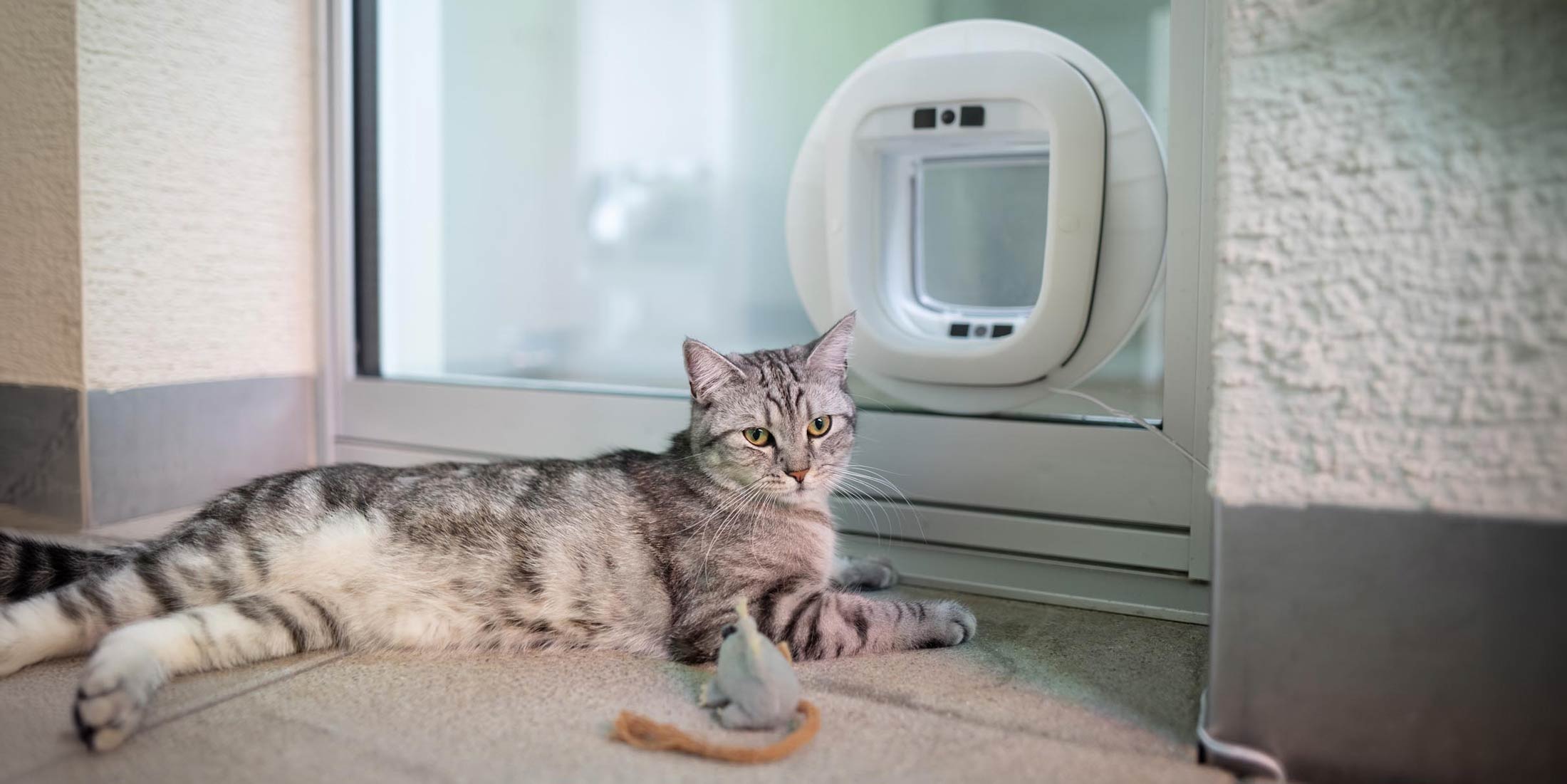
Have you ever seen your cat proudly bring home a mouse or a bird? While it's natural behavior, it can pose health risks for both you and your pet, as many prey animals carry pathogens. This is where the Flappie smart cat flap comes in, specifically designed to prevent such situations. The flap uses advanced camera and AI technology to detect if your cat is trying to bring home prey. If so, the flap remains closed. This not only prevents the entry of pathogens but also contributes to a cleaner and more hygienic home.
The benefits of the Flappie cat flap go beyond simply preventing prey animals from entering. With the accompanying Flappie app, you have complete control over your cat's access. You'll receive push notifications, can adjust settings, and even view videos or photos of your cat when it tries to come inside. This not only gives you peace of mind but also allows you to proactively take steps to protect your cat's health. Don't hesitate any longer and consider the benefits of Flappie for your home. Visit flappiedoors.com , to learn more about this innovative cat flap and how you can make your home safer and healthier.
Frequently Asked Questions
What can you give cats with diarrhea?
If your cat has diarrhea, you can give her a bland diet consisting of cooked, boneless, skinless chicken, pureed carrots, and a little rice. These ingredients are easily digestible and help soothe the gastrointestinal tract.
Why does my cat have diarrhea but is otherwise healthy?
Diarrhea in cats can be caused by various factors, including dietary indiscretions, ingestion of toxins or foreign objects, infections with viruses, bacteria, or parasites, as well as stress and anxiety. Even if your cat appears outwardly healthy, these factors can still cause internal diarrhea.
What can you give a cat at home to treat diarrhea?
At home, you can give your cat natural remedies for diarrhea, such as small amounts of probiotic yogurt, flea seed husks to firm up the stool, and grated apple, whose pectin binds excess water in the intestines. Make sure your cat drinks enough fresh water to avoid dehydration.
What really helps with chronic diarrhea in cats?
In cases of chronic diarrhea, it is important to identify and treat the underlying causes. Besides adjusting the diet and using home remedies such as probiotic yogurt or flea seed husks, a veterinary examination may be necessary for persistent diarrhea in order to initiate specific treatments based on the diagnosis.

Share:
Cat food with a high crude fiber content: Insight and tips
Making cat treats yourself with a baking mat: A guide