


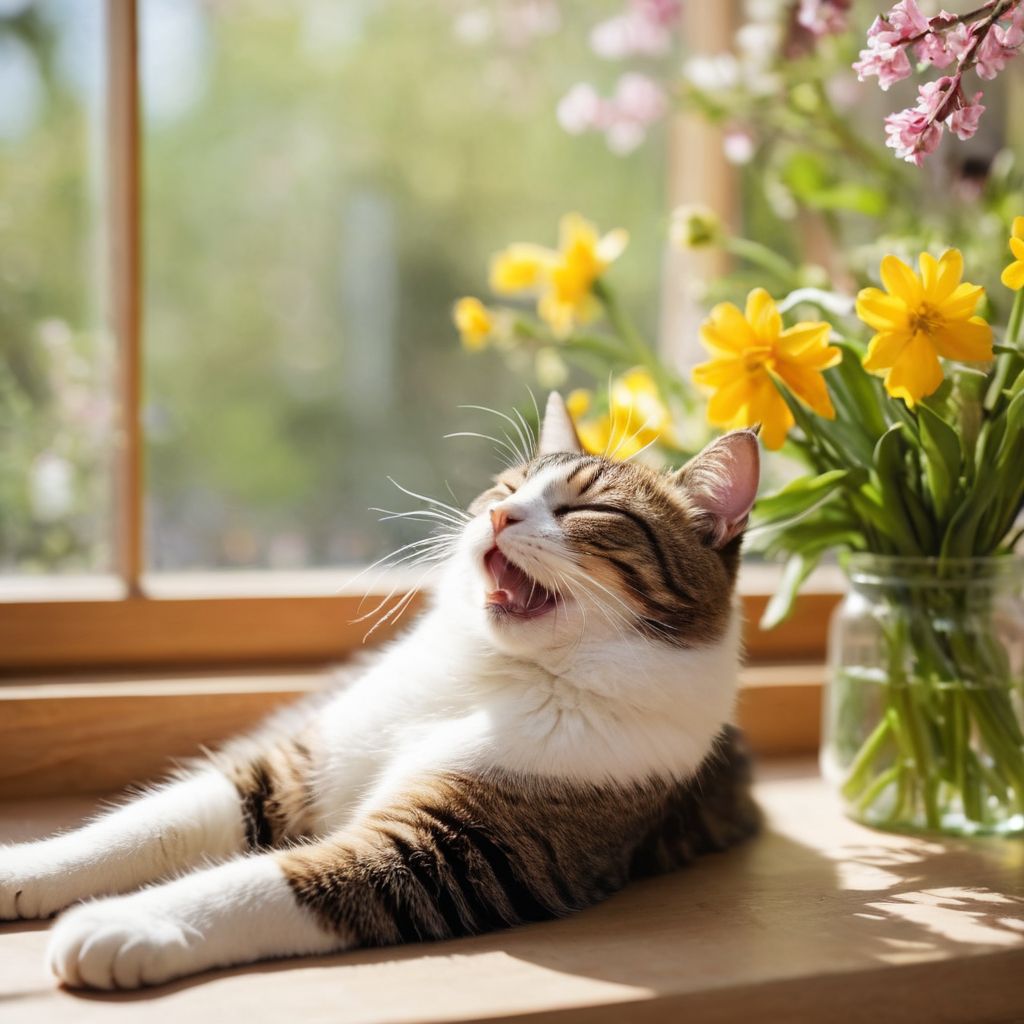
Spring is here, and while we welcome the warmer season, your cat seems less enthusiastic.
Have you noticed that your feline friend seems lethargic and tired, even though he is usually a bundle of energy?
Yes, cats can also suffer from spring fatigue, just like humans.
This article will tell you how to recognize the symptoms of spring fatigue in your cat and what you can do to help her get back on track.
How can you recognize spring fatigue in cats?

Spring fatigue in cats often manifests as a depressed mood and tiredness , similar to humans. If your cat suddenly plays less, sleeps more than usual, and shows less interest in its surroundings, this could be a sign. Cats especially need an adjustment period after the time change, when the days become longer. This can lead to them initially appearing lethargic and less motivated.
Other signs of spring fatigue in cats can include changes in appetite , such as a decreased appetite. This could be partly due to the metabolic changes that occur in spring. If you notice such behavioral changes in your cat, it's important to be patient and give her time to adjust. Make sure she continues to drink enough and perhaps offer her a new toy to gently encourage more activity.
Effective tips against spring fatigue in cats

One of the simplest and most effective ways to help your cat overcome spring lethargy is to encourage more exercise . Try introducing new and exciting toys to pique her interest. A lively toy that appeals to her hunting instincts can work wonders. Regular playtime with you can also help boost her energy and mood. Another tip is to create a sunny spot where she can relax and soak up the warm sunshine.
Additionally, the following measures could be helpful:
- Regular walks in the fresh air , if your cat is used to a leash or has safe outdoor access.
- Adjusting feeding times and food can support metabolism. Fresh, vitamin-rich food can help your cat adapt more quickly to the new season and regain its vitality.
Getting cats fit in spring: Proven methods

Spring brings changes not only for us humans, but also for our cats. To keep your cat active and healthy during this time of year, it's important to adjust their diet and daily routine. A balanced diet rich in protein and vitamins supports your cat's energy levels and immune system during shedding and the longer days.
Besides nutrition , physical activity is crucial. Regular play and exercise help strengthen muscles and improve agility. Simple activities like playing with balls or interactive toys can motivate your cat and sharpen its senses. This not only helps combat spring fatigue but also strengthens the bond between you and your feline friend.
Detox for cats: A spring reboot

A detox program can help your cat recover from the stresses of winter and start spring feeling refreshed and revitalized. Special detox mixes , designed to detoxify the liver, kidneys, and intestines, support your cat's body in efficiently eliminating accumulated toxins. These programs are particularly suitable for cats struggling with loss of appetite, fatigue, or reduced energy.
When carrying out a detox program, it's important to pay attention to the correct dosage and duration. For most products, a daily dose of approximately 1.5 grams is recommended for a period of 30 days, followed by a maintenance dose. These natural supplements are generally free of side effects and can be a valuable addition to your cat's daily diet.
Understanding changes in cats during spring
Spring brings many changes for cats, which are often not immediately apparent. With the lengthening days and warmer temperatures , many cats begin to alter their behavior and routines. It's important to understand how these seasonal changes can affect your cat's well-being.
At this time of year, cats begin to shed their winter coats. They lose their thick winter fur to prepare for the warmer months. This can lead to increased shedding, which is why regular brushing is especially important during this period. A cat's diet may also change, as they may need less energy to keep their body warm.
Typical cat behavior in spring
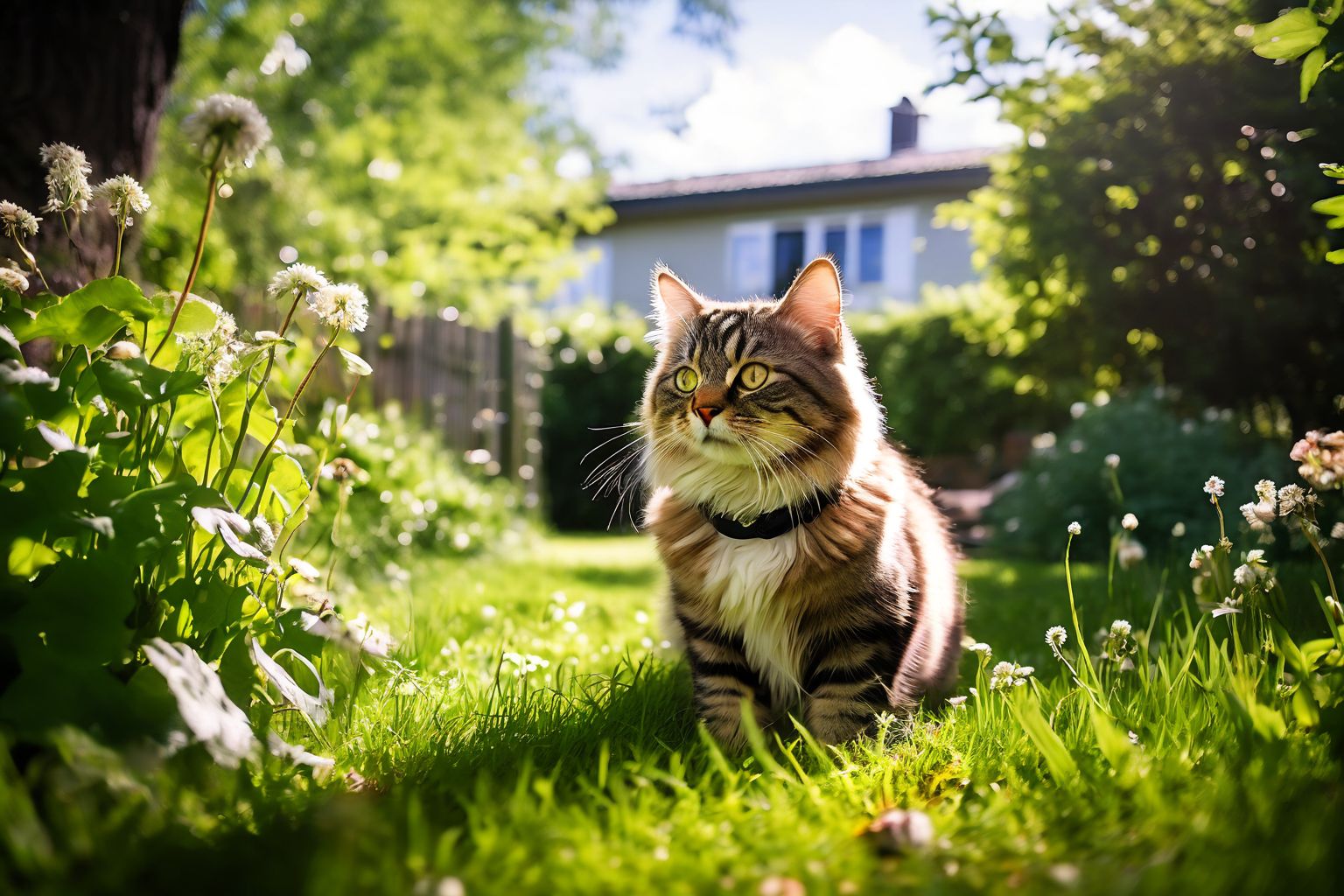
In spring, cats often show increased interest in the outside world . This manifests itself in a heightened urge to move around and a desire to explore and hunt. Outdoor cats enjoy the fresh air and new smells, while indoor cats may spend more time sitting by the window, observing the world outside.
Typical behavioral changes in spring also include:
- More meowing or other vocalizations
- Changes in social behavior , such as more cuddling or, conversely, more withdrawal.
- Increased marking behavior in unneutered cats
These changes may indicate that your cat is trying to adapt to the new circumstances.
Free-roaming in spring: What cat owners should pay attention to

Spring is an exciting time for cats who love being outdoors. As the days grow longer and warmer, your cat's curiosity to explore the world beyond the house also increases. As a cat owner, it's important to make your garden or yard safe for your furry friend.
There are some simple steps you can take to ensure your garden is a safe place for your cat. This includes removing dangerous plants, making sure there are no toxic chemicals lying around, and perhaps even creating a special area where your cat can roam freely.
Making your garden cat-proof: Tips for spring
To make your garden cat-proof, you should first remove all poisonous plants . Many common garden plants can be harmful to cats. Find out which plants in your garden might be dangerous and remove them or block your cat's access to them.
Furthermore, it's a good idea to create a safe play and exploration area . This can be achieved by installing a cat net or fence that allows your cat to be outside without you having to worry about it escaping or getting hurt.
Overcome spring fatigue with Flappie: Discover our smart cat flap
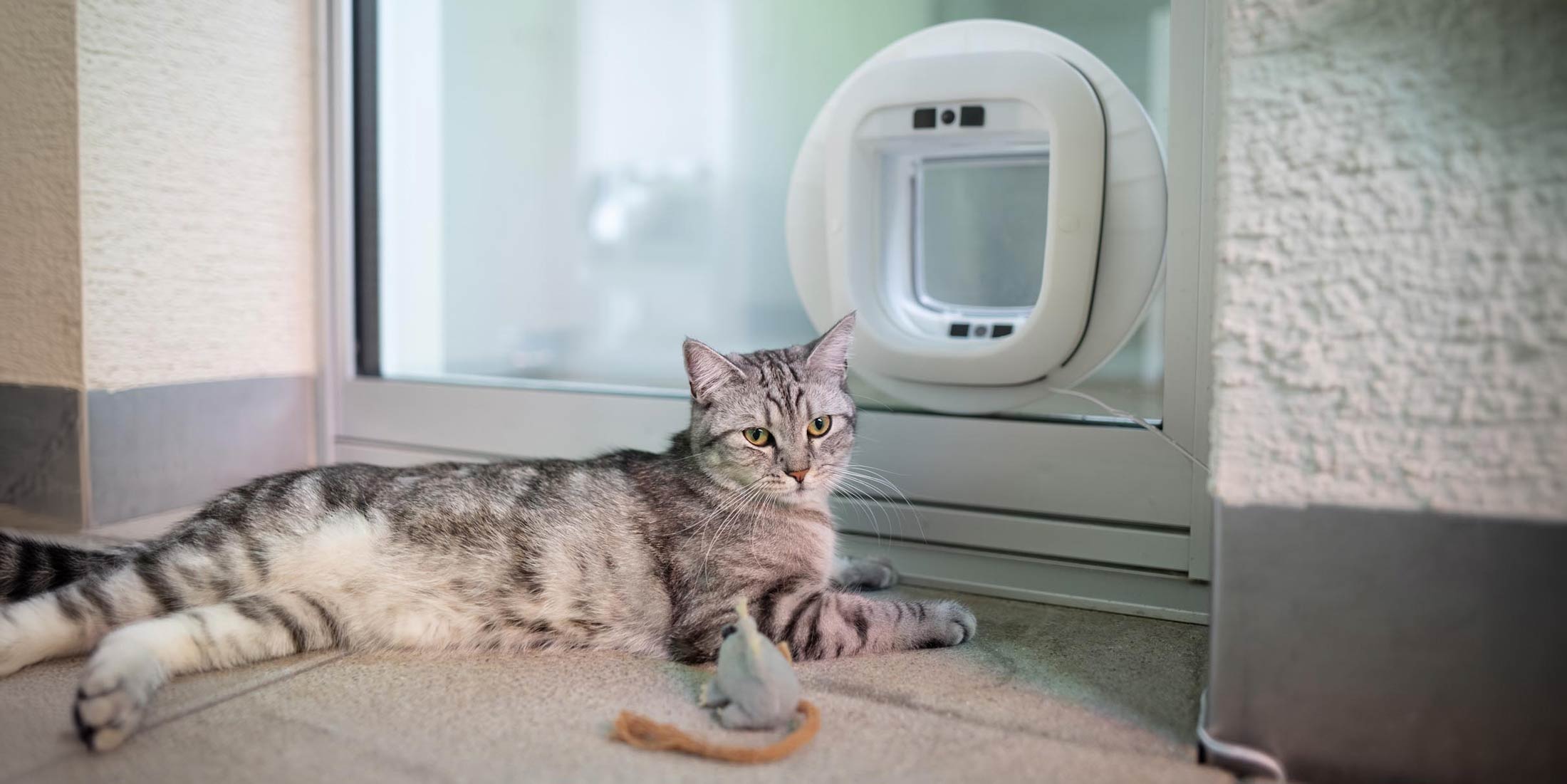
Did you know that the Flappie smart cat flap not only keeps your home clean, but also helps your cat become more active? Thanks to prey recognition using AI technology, your home remains free of unwanted souvenirs. This encourages your cat to get more exercise outdoors, keeping it fit and healthy.
Use the Flappie cat flap to effectively combat your cat's spring fatigue. Here are some benefits you can expect:
- Selective access control prevents stolen goods from being brought into the house.
- Prey detection via AI-powered camera.
- Flappie app for remote control and notifications.
Discover more at flappie.ch and experience how your cat becomes more lively and your home cleaner.
Frequently Asked Questions
Do cats have more energy in spring?
In spring, cats often show increased interest in the outside world, which manifests itself in a heightened urge to move around and a desire to explore and hunt. This can mean that they have more energy, especially if they have the opportunity to be outdoors.
What to do if your cat is lethargic?
If your cat seems lethargic and tired, it's important to be patient and give her time to adjust. Make sure she drinks enough water and try to encourage her activity with new toys. Additionally, you can adjust her feeding times and food to support her metabolism.

Share:
Self-employment for cats: toys and more