


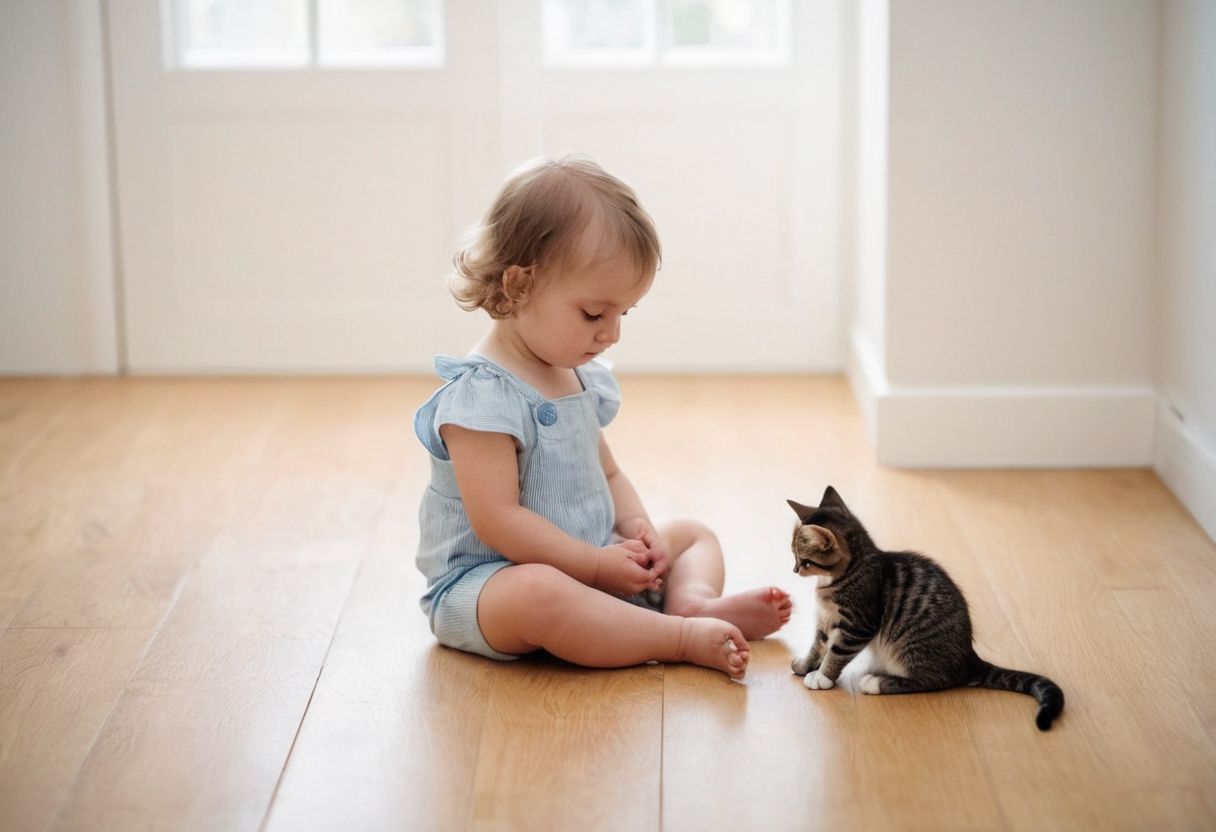
Cats are wonderful pets, but did you know that they can transmit diseases that can be especially dangerous for young children?
As a parent, you want to make sure your home is safe and healthy for your child, especially if you live with cats.
Some diseases that cats can transmit include parasitic diseases such as infections caused by roundworms and hookworms, cat scratch disease caused by Bartonella henselae, and bacterial infections caused by Pasteurella multocida.
This blog tells you everything about the risks and protective measures when cats and small children live together, including tips on hygiene and how to prepare your cat for a new family member.
The role of hygiene in the coexistence of cats and small children

Hygiene plays a crucial role when cats and small children live together. While cats are often very clean, they can still bring germs into your home. It is therefore particularly important to adhere to basic hygiene measures to minimize the risk of infection. This includes washing your hands regularly after contact with the cat, keeping its sleeping areas clean, and regularly cleaning the litter box.
It is also important that children learn how to interact safely with cats. For example, they should not be allowed to play in the litter box or disturb the cat while it is eating. Children need to understand that cats need their own retreats and that there are certain hygiene rules that must always be followed to stay healthy.
Infections that toddlers can get from cats

Cats can transmit various infections to young children, including cat scratch disease , which is caused by bacteria and can lead to symptoms such as fever and swollen lymph nodes. Another common infection is toxoplasmosis , which can be particularly dangerous for pregnant women. To minimize these risks, it is important to have cats checked regularly by a veterinarian and to maintain good hygiene.
Parasites: A hidden danger for small children
Parasites pose a serious threat to young children living with cats. The most common include fleas, ticks, and various worms such as roundworms and hookworms. These parasites can infect not only the cat but also the child. To prevent this, it's important to deworm and treat your cat regularly for parasites. Additionally, you should ensure your child has no access to areas where they could come into contact with contaminated soil.
Transmission routes of diseases between cats and small children
Diseases can be transmitted from cats to young children in various ways. Direct contact through petting or scratching is a common mode of transmission. However, pathogens can also be transmitted indirectly, for example, when children play with objects contaminated with cat hair or feces. To minimize the risk, it is important to clean living areas regularly and ensure that children do not come into contact with potentially contaminated materials.
Preparing the cat for the new family member

Preparing your cat for the new family member is an important step to ensure both sides get along well. It's advisable to begin preparations even before the baby arrives. For example, you can start by showing your cat the nursery and gradually getting her used to the new sounds and smells associated with a baby. This will help minimize stress or anxiety for your cat when the baby actually arrives.
Another important aspect is setting up retreats for your cat that are inaccessible to the baby. This gives your cat the opportunity to withdraw when things get too overwhelming. Here are some tips for creating such retreats:
- Higher places such as shelves or special cat trees that are not reachable for babies.
- Quiet corners , far away from the baby's main activity areas.
- Provide sheltered sleeping areas that are cozy and safe so your cat can relax. These measures will make it much easier for your cat to accept the new family member and feel less threatened.
Getting the cat used to the baby

To help your cat get used to the baby, it's important to introduce them gradually and under supervision. Let your cat observe the baby from a distance and slowly increase the proximity if your cat remains relaxed. Make sure the baby doesn't crowd the cat or disturb its sleep. Here are some ways you can help with the adjustment:
- Introduce the baby's scent : Bring something that smells like the baby, such as a worn item of clothing, near the cat.
- Plan time together : Put the baby and the cat in a room together while you are there to monitor their reactions.
- Positive reinforcement : Give your cat treats when she stays calmly near the baby to encourage positive associations.
The first meeting: Tips for a safe start

The first meeting between your baby and your cat is a crucial moment that should be well-prepared. To ensure safety and well-being, it's important that you control the situation and create a calm atmosphere. Let your cat get to know the baby slowly and under your supervision. Here are a few tips on how to make this first meeting safe:
- Create a calm environment : Ensure that the room is quiet and that no other disturbances such as loud music or television can frighten the animal.
- Maintain control : Hold both the baby and the cat gently but securely to avoid sudden movements.
- Give it time : Give your cat the opportunity to observe the baby from a safe distance and approach it slowly.
It's also important to remain calm and reassuring to your cat during the encounter. Speak in a gentle voice and reassure the cat that everything is alright. Avoid pressuring your cat; it should have the freedom to retreat if it feels uncomfortable. Also, keep the following points in mind for a safe interaction:
- Minimize physical contact : Let the cat sniff the baby, but avoid letting the cat lick the baby or get too close.
- Observing body language : Pay attention to signs of stress or anxiety in your cat, such as ruffled fur, a tucked tail, or a deep growl.
- Use positive reinforcement : Reward your cat with treats or gentle petting when she stays calm and careful around the baby to encourage positive experiences.
Home security with Flappie's smart cat flap
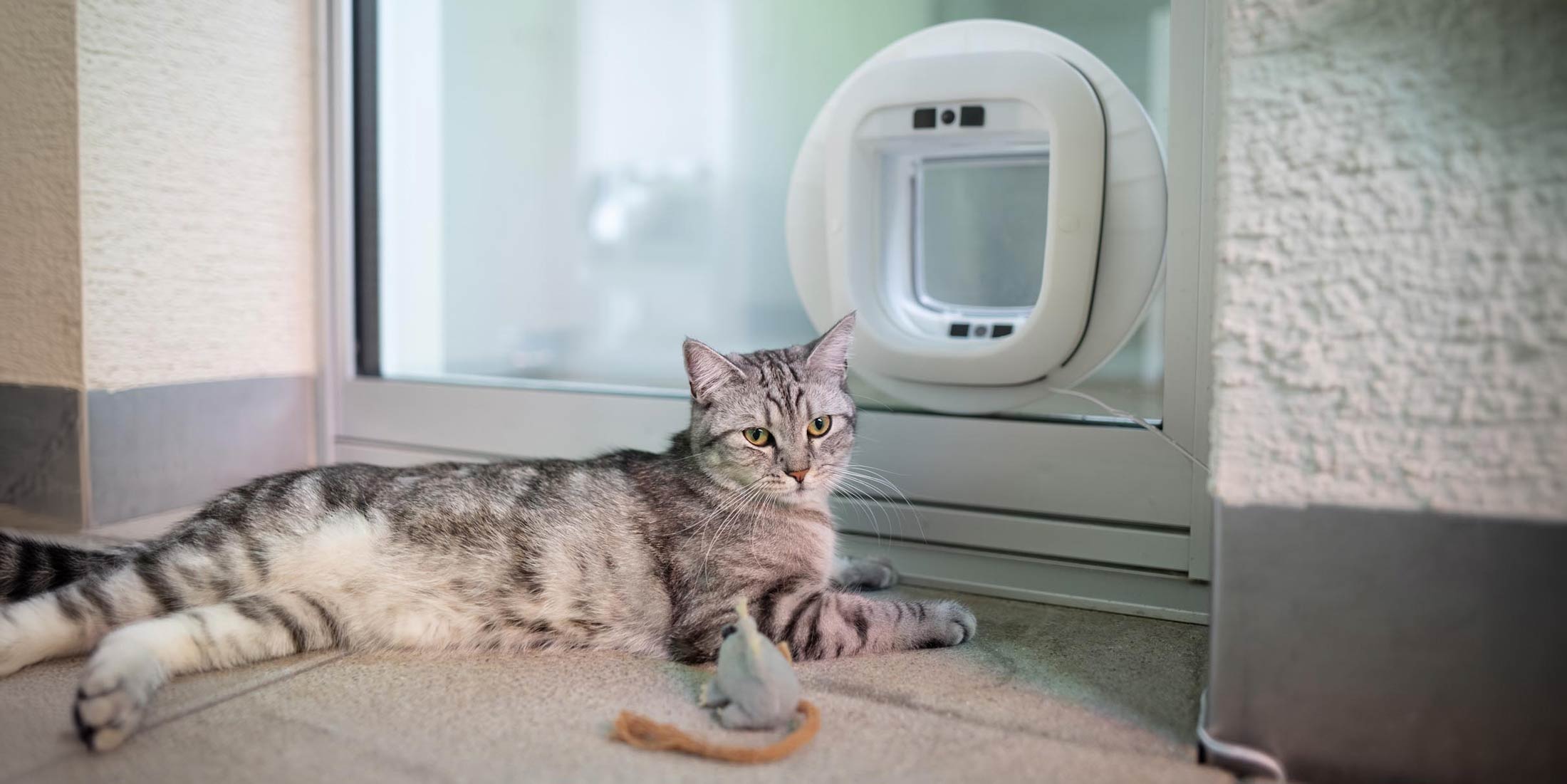
Flappie 's smart cat flap is a revolutionary solution for keeping your home clean and safe for toddlers. A common problem for many cat owners is that cats often bring home prey like mice or birds, which is not only unhygienic but can also pose health risks to young children. Flappie 's cat flap uses advanced AI technology to detect whether the cat is alone or with prey. If the cat is out with prey, the flap remains closed. This prevents unwanted "gifts" from entering the house, contributing to a more hygienic environment.
The advantages of Flappie Flappie's smart cat flap goes far beyond simply detecting prey. The flap offers selective access control, ensuring that only your cat can enter and leave the house. Additionally, the Flappie app allows you to control the cat flap remotely and send you notifications if your cat tries to bring home prey. This gives you complete control over what enters the house and helps ensure your home remains safe for your toddler. Visit https://flappiedoors.com to learn more about how Flappie can support your family.
Frequently Asked Questions
What diseases can cats transmit to children?
Cats can transmit various diseases to children, including cat scratch disease, which is caused by bacteria and can cause symptoms such as fever and swollen lymph nodes. Another disease is toxoplasmosis, which can be particularly dangerous for pregnant women. Additionally, parasitic diseases such as infections caused by roundworms and hookworms, as well as bacterial infections caused by Pasteurella multocida, can be transmitted from cats to children.

Share:
Are chicken hearts healthy and safe for cats?
Effective Home Remedies for Cat Eye Inflammation