



Does your cat have gum problems and you're looking for a natural solution?
Gum inflammation can be very painful for our beloved feline friends.
Cottage cheese is an effective home remedy whose antibacterial peptides inhibit the growth of harmful bacteria and can even dissolve tartar.
This article will tell you more about the causes, symptoms and diagnosis of gingivitis in cats, as well as various treatment options, including other natural home remedies.
Basics of gingivitis in cats: causes, symptoms and diagnosis

Dental problems in cats, especially gingivitis, are common ailments that not only cause discomfort and pain but can also affect your cat's overall health. Gingivitis, also known as gum inflammation, occurs when the gums are inflamed and often red and swollen. If left untreated, this can lead to more serious conditions like periodontitis.
The causes of gingivitis in cats are varied, but bacterial infections and poor oral hygiene often play a significant role. Other factors such as viral infections, genetic predisposition, and nutritional problems can also contribute to gingivitis. It is important to recognize the signs early in order to provide your cat with the necessary treatment.
Gingivitis is usually diagnosed through a thorough examination of the oral cavity by a veterinarian. Anesthesia is often necessary to allow for an accurate assessment. Modern diagnostic methods such as X-rays or specialized dental examinations help determine the extent of the inflammation and initiate appropriate treatment.
Causes of gingivitis in cats
Gum inflammation in cats can be caused by a variety of factors. Bacterial infections in the oral cavity, often exacerbated by plaque and tartar, are a common culprit. Regular tooth brushing can help prevent this, but it's not always easy to do with cats.
Besides bacteria, viruses such as feline calicivirus can also contribute to gingivitis. Other possible causes include internal organ diseases or genetic factors that increase susceptibility to gum problems. A balanced diet and regular veterinary checkups are therefore essential to maintain your cat's gum health.
Recognizing the symptoms of gingivitis in cats

If your cat is suffering from gingivitis, there are several symptoms you can recognize. These include, above all , red and swollen gums , bad breath , and increased salivation. These signs should prompt you to consult a veterinarian.
Other symptoms of gingivitis can include loss of appetite , bleeding from the mouth , and behavioral changes such as aggression or withdrawal. Prompt action is needed at the first sign of such symptoms to prevent your cat from suffering and avoid further complications.
Diagnosis of gingivitis in cats
Diagnosing gingivitis in cats usually begins with a visual inspection by the veterinarian. However, anesthesia is often necessary to perform a detailed examination of the oral cavity. Particular attention is paid to signs such as bleeding, tartar buildup, and inflamed gums.
Modern diagnostic methods such as X-rays or ultrasound examinations can also be used to determine the extent of the gum inflammation and to ascertain whether deeper structures are affected. This information is crucial for planning effective treatment.
Treatment of gingivitis in cats
Gum inflammation in cats can be very uncomfortable and often requires quick and effective treatment to minimize your cat's suffering. In addition to professional treatment by a veterinarian, which often involves anti-inflammatory medications or antibiotics, there are also a number of home remedies that can provide support. These natural alternatives offer a gentle way to alleviate your cat's discomfort.
Many cat owners prefer natural treatment methods because they often have fewer side effects and are easy to use. Some of the most popular home remedies include:
- Chamomile tea : This can be used to gently cleanse the inflamed area.
- Aloe Vera : Known for its anti-inflammatory properties, Aloe Vera gel can be applied directly to the gums.
- Coconut oil : This oil has antibacterial properties and can help reduce the amount of harmful bacteria in the mouth.
However, it's important to note that while home remedies can be helpful, they don't always replace a visit to the vet. In severe cases of gum inflammation, or if home remedies don't bring about any improvement, you should definitely consult a professional. Early and proper treatment is crucial to prevent long-term damage to your cat's periodontal tissues.
Home remedies for gum inflammation in cats

A tried-and-tested home remedy for gingivitis in cats is the use of natural antibacterial proteins, such as those found in cottage cheese. These proteins offer a strong and natural antibacterial effect that can help inhibit the growth of harmful bacteria. It's a simple and safe method you can use at home to soothe your cat's inflamed gums.
Another simple and effective home remedy is the use of dental flakes specifically formulated for cats. These flakes are enriched with natural enzymes that help reduce plaque and tartar. Simply sprinkled over their food, they can strengthen gums and prevent inflammation. These products are generally tasteless and well-tolerated by most cats.
Prevention of dental problems in cats

Preventing dental problems in cats starts with consistent oral hygiene and a balanced diet . Regular tooth brushing can help minimize plaque and tartar buildup. While it can be challenging to get your cat used to having their teeth brushed, there are special dental care snacks that help clean teeth and serve as a tasty reward. These snacks are not only delicious but also beneficial for promoting your cat's dental health.
In addition to at-home dental care, you shouldn't neglect regular dental checkups with a veterinarian. Professional teeth cleaning can remove deep-seated tartar and detect problems early that are difficult to identify at home. A balanced diet rich in vitamins and minerals also supports the overall health of your cat's gums and teeth. Avoid sugary cat food, as sugar can promote plaque buildup.
Prognosis for cats with gingivitis
The prognosis for cats with gingivitis, also known as gum inflammation, depends heavily on the stage of the disease and the speed of treatment. With early detection and treatment, the prognosis is generally good. Professional dental cleaning combined with regular at-home care can often successfully control the inflammation. However, it is crucial that treatment is continued consistently to prevent recurrence.
In advanced cases, particularly when gingivitis has progressed to periodontitis or when systemic diseases such as diabetes are involved, the prognosis may be less favorable. In such cases, intensive treatment may be necessary, possibly including tooth extractions. Long-term management of these conditions requires close collaboration with a veterinarian to ensure the best possible quality of life for the affected cat.
Conclusion: Gingivitis in cats and the role of home remedies
Gum inflammation in cats can be very uncomfortable and requires prompt treatment. Home remedies such as chamomile tea, aloe vera, and coconut oil offer a gentle yet effective way to soothe the discomfort. These remedies are particularly useful because they have fewer side effects and are easy to use.
However, it's important to understand that home remedies cannot always replace a visit to the veterinarian. In severe cases, or if no improvement occurs, professional help is essential. Early and appropriate treatment is crucial to prevent long-term damage and protect your cat's health.
How Flappie keeps your cat healthy and safe: Discover more!
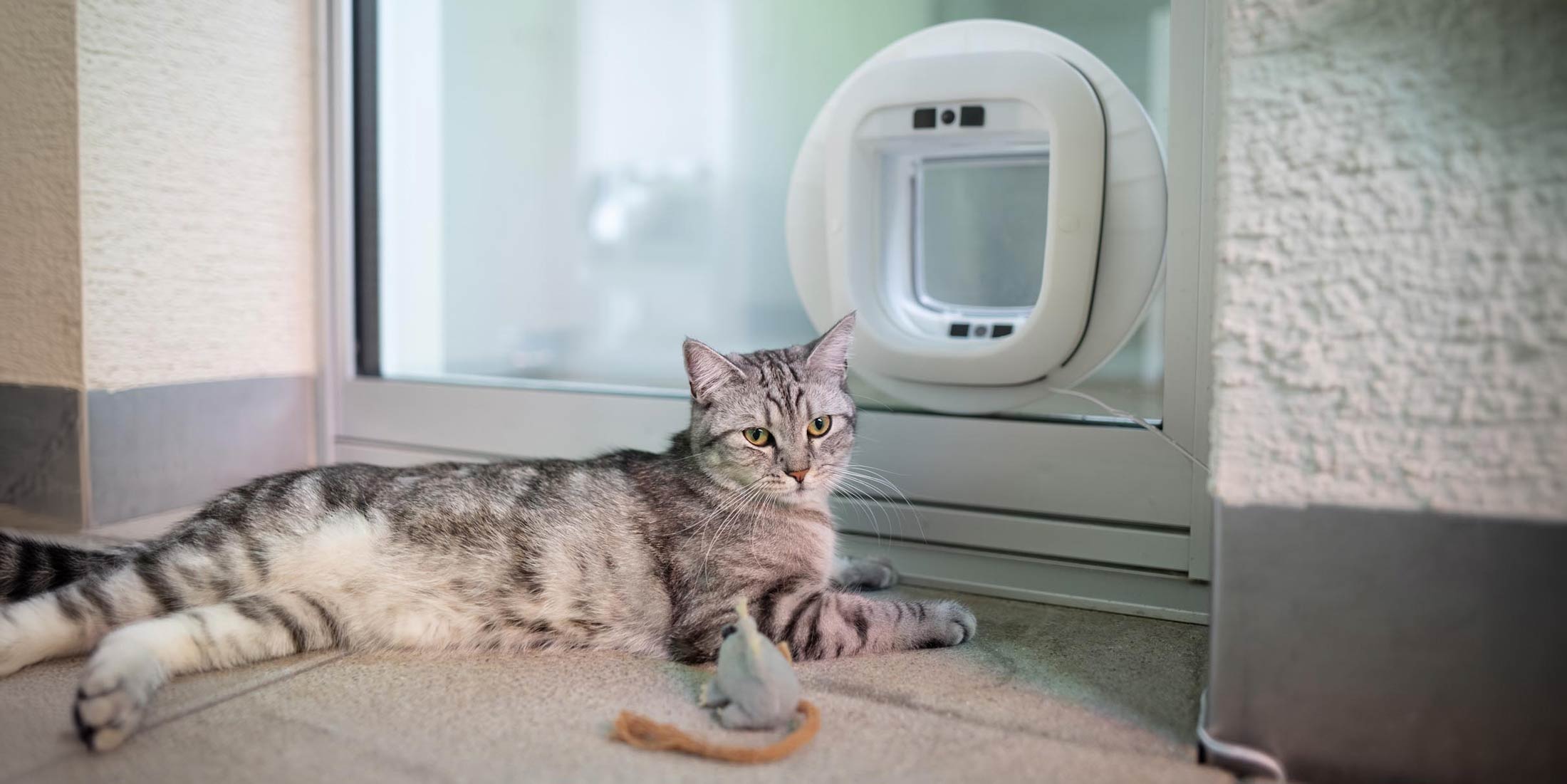
Flappie offers a smart cat flap that not only keeps your home clean but also protects your cat's health. Its innovative technology, featuring a camera and artificial intelligence, prevents your cat from bringing prey like mice or birds into the house. This reduces the risk of diseases that can be transmitted by such animals.
Visit flappiedoors.com to learn more about this revolutionary solution. The Flappie app not only lets you control your cat flap from anywhere, but also provides you with notifications and videos of your cat. This gives you complete control and peace of mind, knowing that your home and your cat are safe.
Frequently Asked Questions
What helps with toothache in cats?
To relieve toothache in cats, natural home remedies such as chamomile tea, aloe vera, and coconut oil can be used. These remedies are known for their anti-inflammatory and antibacterial properties, which can help reduce pain and discomfort.
What helps with inflamed gums in cats?
For inflamed gums in cats, home remedies such as cottage cheese, which contains antibacterial peptides, as well as chamomile tea, aloe vera, and coconut oil, known for their anti-inflammatory properties, can be helpful. These remedies can be applied directly to the inflamed gums to provide relief.
What to do if your cat has bad teeth?
Cats with poor dental health should be taken to the vet regularly for professional teeth cleaning and, if necessary, further dental treatment. In addition, oral hygiene can be supported by regular tooth brushing and special dental treats.
How can I treat my cat's gum disease at home?
Gum disease in cats can be treated at home with remedies such as cottage cheese, chamomile tea, aloe vera, and coconut oil. These remedies offer a gentle way to alleviate discomfort. However, it is important to consult a veterinarian in severe cases or if no improvement is seen.


Share:
Comprehensive Guide to CNI Cat Therapy
Comprehensive Guide to CNI Cat Therapy