


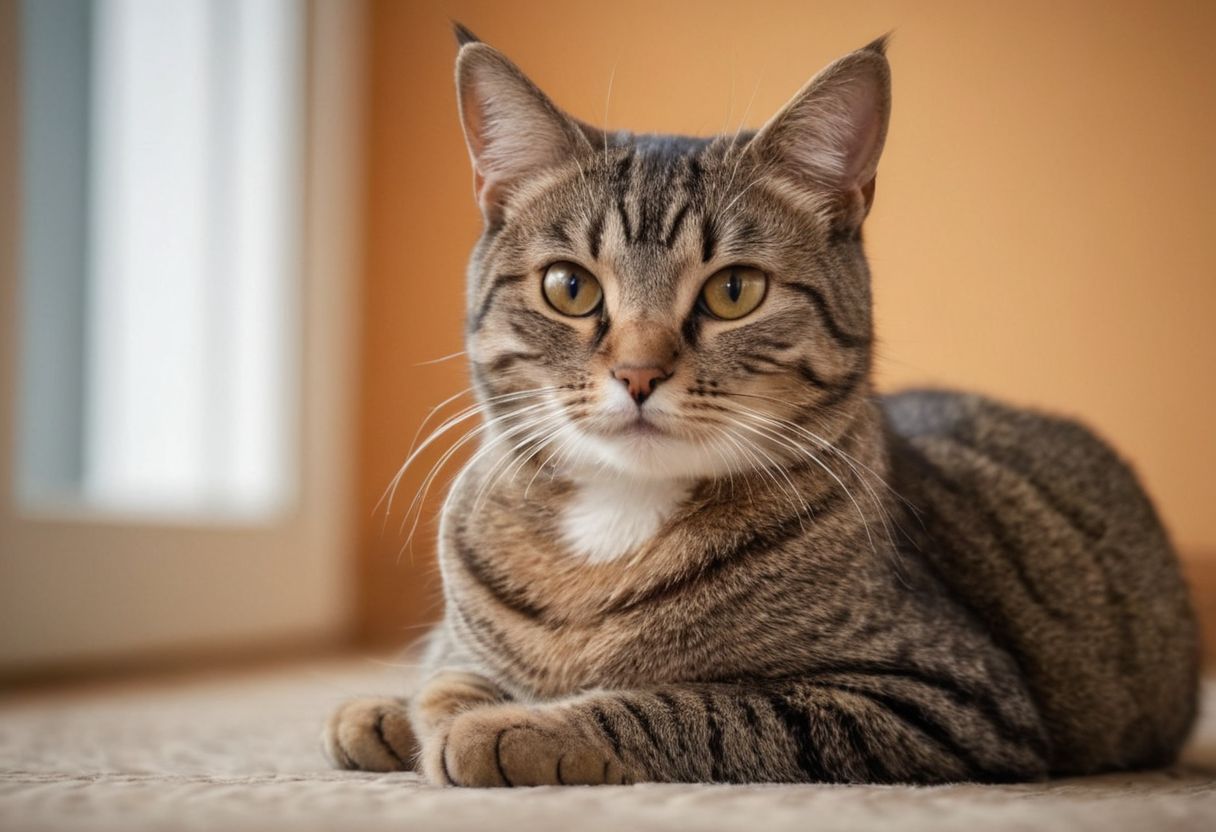
Have you ever wondered how old your beloved European Shorthair cat might get? It can be heartbreaking not knowing how much longer you'll be with your four-legged friend.
European Shorthair cats can live up to 20 years with good care and a healthy diet. This blog will tell you everything you need to know about their life expectancy, proper care, optimal nutrition, and grooming tips to help you make your cat's life as long and healthy as possible.
Average life expectancy of European Shorthair cats
The average lifespan of a European Shorthair cat (ESH) can vary considerably and is influenced by several factors. Studies show that this popular breed can live between 15 and 22 years on average. However, this depends heavily on living conditions, diet, and veterinary care. It's important to understand that cats kept indoors and receiving regular veterinary care tend to live longer.
Some interesting points regarding the life expectancy of European Shorthair cats are:
- Indoor cats often reach a higher age, up to 20 years.
- Cats that are allowed to roam freely have a lower average life expectancy, often only around four years.
- The robust nature of the European Shorthair contributes to its ability to reach a relatively old age even in less than ideal environments. A cat's life expectancy is therefore not only a matter of breed, but also of individual lifestyle and care.
Species-appropriate husbandry for a longer lifespan

Providing your European Shorthair cat with species-appropriate care is crucial for maximizing its lifespan and well-being. If you allow your cat to roam freely outdoors, ensure the environment is safe and free from hazards such as heavy traffic or poisonous plants. A fenced garden or a secure balcony are ideal solutions to give your cat the necessary freedom without exposing it to unnecessary risks.
For cats kept as indoor cats, it's important to provide plenty of opportunities for physical activity and mental stimulation. A large scratching post, various toys, and hiding places can help your cat feel balanced and content, even indoors. Make sure you play and interact with your cat regularly to promote its health and social well-being.
Care instructions for European Shorthair cats

Caring for a European Shorthair cat is relatively easy , but some specific measures will help maintain its health and well-being. Regular grooming is especially important during shedding season. Here are a few tips on how to best care for your cat's coat:
- Regular brushing : This removes dead hair and prevents hairballs.
- Check for parasites , especially if your cat has outdoor access.
- Make sure the coat is always clean and dry to prevent skin diseases.
Besides grooming, it's also important to pay attention to your European Shorthair cat's overall health. Regular veterinary checkups are crucial for detecting potential illnesses early. A balanced diet also contributes to the health of the coat and the cat's entire organism. Remember that good grooming not only promotes your cat's physical well-being but can also extend its lifespan.
Optimal nutrition for European Shorthair cats

The optimal diet for European Shorthair cats should be balanced and nutrient-rich to support their health and lifespan. It's important that the food has a high meat content, as cats are obligate carnivores. High-quality food for your cat should have the following characteristics:
- High meat content : Cats need proteins of animal origin.
- Balanced ingredients : In addition to proteins, vitamins, minerals and fatty acids are also important.
- Adapted to their age : Kittens require different amounts of nutrients than adult cats.
Besides choosing the right food, the feeding method is also crucial for your cat's health. It is recommended to feed your European Shorthair cat regularly, but in moderate portions, to prevent obesity. Always provide fresh water. Some feeding tips are:
- Regular feeding times : This will help your cat get used to a stable rhythm.
- Fresh water : Always accessible to ensure hydration.
- Observe eating habits : This way you can react quickly if health problems should arise.
Cost overview for owners of European Shorthair cats
The decision to adopt a European Shorthair cat involves both one-time and ongoing costs. The initial costs include the purchase price, which can vary depending on the cat's origin (breeder or shelter), as well as the cost of initial supplies such as a scratching post, carrier, and food bowls. This initial setup can cost between €200 and €400. It is important to plan a budget for these expenses from the outset.
In addition to the purchase price, you also need to factor in ongoing costs for the care and upkeep of your cat. These include:
- Food and water supply.
- Veterinary examinations and vaccinations.
- Cat litter and grooming products.
Monthly costs can range from approximately 50 to 60 euros, depending on your cat's individual needs and local prices. It's advisable to have a small financial cushion for unexpected expenses such as veterinary emergencies.
Character and behavior of the European Shorthair cat
The European Shorthair cat is known for its affectionate nature and versatility . This breed is intelligent , playful , and gentle , making it an ideal pet for families or individuals. They are also very people-oriented and show remarkable patience with children. Their curiosity and playfulness keep them constantly on the go, meaning they need plenty of exercise and mental stimulation to be happy.
Another striking characteristic of the European Shorthair cat is its pronounced hunting instinct , which stems from its past as a mouser. Despite this hunting instinct, they are very people-oriented and often seek the company of their owners. Here are some points that describe the behavior of this cat breed:
- Active and adventurous : They love to explore their surroundings.
- Affectionate and cuddly : They enjoy spending time with their humans.
- Intelligent and capable of learning : They can learn various tricks and commands.
These qualities make the European Shorthair cat a wonderful companion in any home.
Color and pattern diversity in European Shorthair cats

The European Shorthair cat boasts an impressive variety of coat colors and patterns, making it one of the most visually diverse cat breeds. Naturally occurring colors include:
- Solid colors like white, black, blue, and red.
- Two-tone combinations, often with white.
- Special patterns such as tabby (striped), which can occur in variations such as mackerel, classic or spotted.
Each color and pattern in the European Shorthair cat has its own distinctive features. For example, white cats often have blue or multicolored eyes, while bicolored cats have clearly defined spots. Such details are not only beautiful to look at but also in accordance with breed standards, which ensure the purity and health of these cats.
How Flappie can improve your cat's lifespan
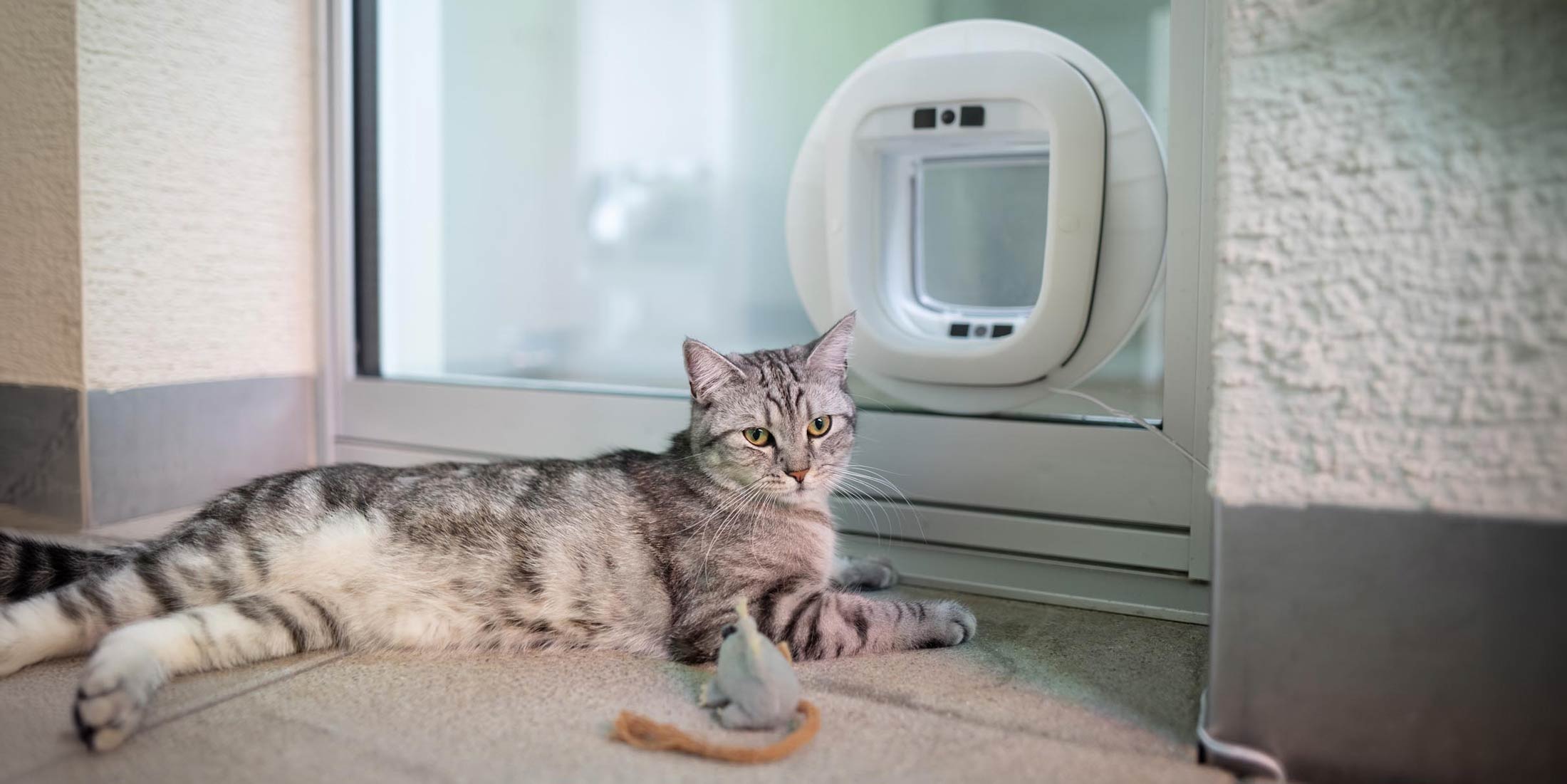
Flappie has developed a smart cat flap specifically designed to extend the lifespan of your European Shorthair cat. Its innovative technology detects prey such as mice and birds, preventing your cat from bringing them into your home. This offers several advantages: your home stays clean and free of pathogens that could be introduced by dead animals, and your cat is exposed to fewer risks associated with hunting and eating prey.
Using the Flappie cat flap not only contributes to a cleaner home but also actively promotes your cat's health. By preventing prey from being brought in, the risk of parasites and related diseases is significantly reduced. Furthermore, the Flappie app, which connects to the flap, allows for constant monitoring and control of access, providing you, as the cat owner, with added security and convenience. This makes your cat's life not only safer but also less stressful, which can contribute to a longer and healthier lifespan .
Frequently Asked Questions
What is the difference between a domestic cat and a European Shorthair?
The term "domestic cat" generally refers to any cat that lives as a pet in a house, regardless of breed. The European Shorthair, however, is a specific breed of cat known for its hardiness and adaptability. It is one of the most common cat breeds in Europe and is often appreciated for its affectionate nature and versatility.
Is 17 years old for a cat?
Yes, 17 years is considered a ripe old age for a cat. European Shorthair cats can live up to 20 years with good care and a healthy diet, but reaching 17 is definitely a sign of a long life for a cat.
Is a cat old at 10 years old?
A cat that is 10 years old is often considered a "senior," but it can still be active and healthy. It's important to pay attention to its diet and medical care to ensure it continues to live a fulfilling life.

Share:
Why your cat chases laser pointers: insights and tips
Why your cat brings a mouse to the food bowl