

Have you ever wondered why your cat sometimes steps on soft surfaces with its paws?
This behavior, known as “kneading” or kneading, can sometimes lead to confusion or even minor injuries if the cat’s claws are too long.
Cats knead to express their well-being, prepare their sleeping place, or calm themselves down in stressful situations.
In this blog post you will learn everything about the kneading behavior of cats, how to set up a safe kneading area, how to care for your cat's claws and what you can do if kneading leads to aggressive reactions.
Kneading as a sign of security in cats

When your cat starts kneading on your lap or her favorite blanket, she's showing a deep sense of security. This behavior originates from kittenhood, when kneading helped the mother stimulate milk production. For adult cats, kneading is a way to relax and experience a feeling of safety and security.
There are some clear signs that can help you interpret this behavior correctly:
- Purring while pedaling : A clear indicator of satisfaction and comfort.
- Seeking physical contact : If your cat tries to seek closeness to you, it feels safe with you.
- Relaxed body language : Pay attention to a relaxed posture and soft, rhythmic paw movements.
As a cat owner, it's important to recognize and encourage this behavior, as it's natural and instinctive. By creating a cozy and safe environment for your cat, you can help it feel secure and express this behavior positively.
Kneading: A sign of affection from your cat

Have you ever noticed your cat kneading you or a soft cushion with its paws? This behavior, known as kneading, is more than just a pleasant kneading; it's a genuine expression of affection from your cat. When cats knead, it often reminds them of the security and affection they received from their mother as kittens. They transfer this behavior to their humans to express affection and trust.
Kneading is therefore a sign that your cat feels comfortable and safe with you. Here are some points that illustrate this:
- Purring : Often accompanied by contented purring sounds, a sign of deep satisfaction.
- Relaxed posture : Your cat displays an open and relaxed posture while kneading.
- Seeking closeness : She often seeks physical contact with you while kneading.
This behavior is a wonderful way for your cat to show her love and should be appreciated and reciprocated as such.
Calming through kneading: How your cat reduces stress

If your cat starts kneading with its front paws during stressful moments, it's a sign that it's trying to calm itself down. This behavior, often called kneading, is a natural way for cats to cope with restlessness or nervousness. Kneading reminds them of the comforting experience they had as kittens, when kneading their mother's teats stimulated milk production.
The calming effect of kneading can be especially helpful when your cat is exposed to new or unfamiliar situations. For example:
- Moving to a new home : The unfamiliar surroundings can cause stress.
- During thunderstorms or fireworks : Loud noises can trigger fear.
- When strangers or animals visit : New faces or rivals can create insecurity. By kneading, your cat creates a kind of calming routine that helps her feel more secure and relaxed.
Territorial marking through kneading: Understanding territorial behavior
Cats use a variety of methods to mark and secure their territory. One lesser-known method is kneading, in which cats release scent from glands between their toes. This behavior is not only a sign of contentment but also serves to mark their territory . By kneading, they leave scent marks that are perceptible to other cats, thus defining the cat's territory.
Kneading plays an important role in the natural behavior of cats, particularly regarding their territorial claims. Here are some key aspects of how kneading contributes to territory marking:
- Scent marking : By releasing scents from their paws, cats deliberately mark places they consider part of their territory.
- Defining territorial boundaries : These scent markings help define the boundaries of their territory against other cats and warn potential intruders.
- Communication through scent : Even though humans cannot smell these scents, they are a clear signal to other cats, informing them about the cat's territory.
Understanding this behavior can help cat owners better manage conflicts between cats and promote their pets' well-being. If you notice your cat frequently kneading certain spots in your home or garden, this could indicate that she considers these areas part of her territory. By respecting and protecting these areas, you support your cat's natural need for security and territoriality.
Recognizing signs of illness: What kneading reveals
If your cat is kneading more frequently or intensely than usual, this could be a sign of health problems . It's important to pay attention to changes in kneading behavior, as these can be signs of stress or pain. Observe whether the kneading is accompanied by other unusual behaviors, such as excessive grooming or hiding, which can be additional signs of discomfort.
In such cases, it is advisable to consult a veterinarian to clarify possible causes. Some reasons for a change in kneading behavior could be:
- Injuries to the paws or abdomen
- Stress caused by changes in the environment
- Conditions such as arthritis, which can cause pain when pedaling.
It is important to pay attention to your cat's health and seek professional help if necessary.
When kneading turns negative: bites and other reactions
Sometimes, kneading can lead to negative reactions from cats, especially if they feel overwhelmed or disturbed. This often manifests as biting or scratching, particularly if the cat is being petted while being kneaded and doesn't want to be. It's important to understand that this is a natural defensive reaction that occurs when the cat feels threatened in its personal space or is in pain.
To avoid negative reactions when kneading, you should pay attention to your cat's body language and give her enough space. Here are some tips on how to handle it:
- Observe the signals : If she pulls her ears back or wags her tail restlessly, this could be a sign that she does not want to be touched.
- Respect her boundaries : Don't try to force the behavior if your cat has obviously had enough.
- Seek veterinary help : If the kneading is accompanied by aggressive behavior, this could indicate pain or stress, and a visit to the veterinarian may be necessary.
Setting up the perfect pedaling area: Tips and tricks

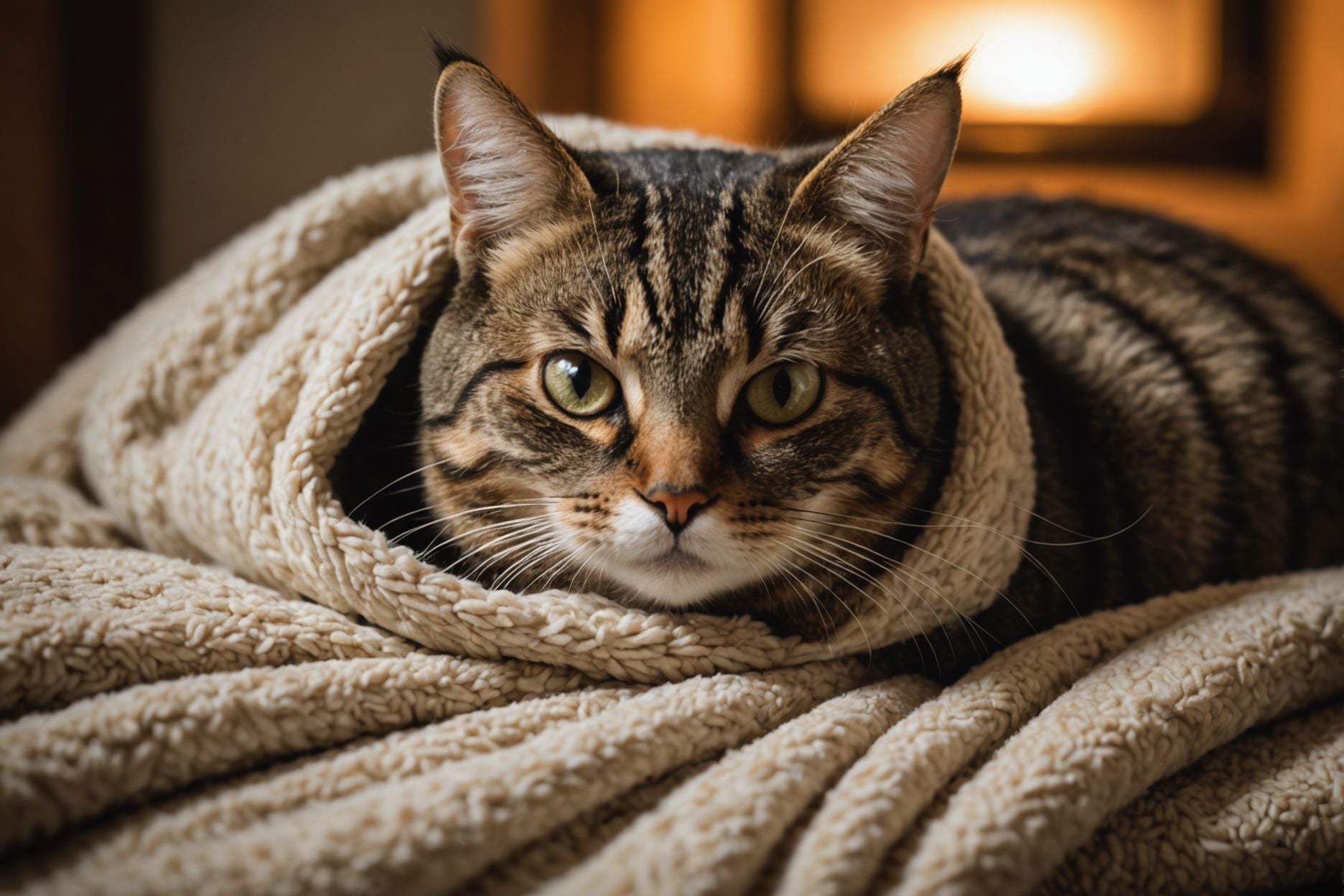
To create the perfect kneading spot for your cat, you should first choose a quiet and cozy location. This could be a soft blanket in a peaceful corner or a cushion specifically designed for cats near a window where she can observe the world outside.
Here are some tips on how to make the space particularly appealing:
- Use soft materials : Choose materials like plush or soft wool that will give your cat a cuddly feeling.
- Provide safety : Make sure the place is free from drafts and far away from loud noises or frequent through traffic.
- Add a personal touch : A worn T-shirt of yours placed in the kneading area can provide your cat with extra comfort through your familiar scent.
Claw care for safe kneading

Regular claw trimming is crucial to prevent your cat from injuring itself or others when kneading. It's important to trim your cat's claws before they grow too long and can cause damage during kneading.
Here are some simple tips for nail care:
- Regularly check the claw length : Make sure that the claws do not extend beyond the paw pads.
- Use suitable nail clippers : This will ensure that the nails are cut cleanly and not split.
- Gradually get your cat used to having its claws trimmed : Start early and make claw trimming part of the routine.
Discover Flappie: A clean solution for cat owners
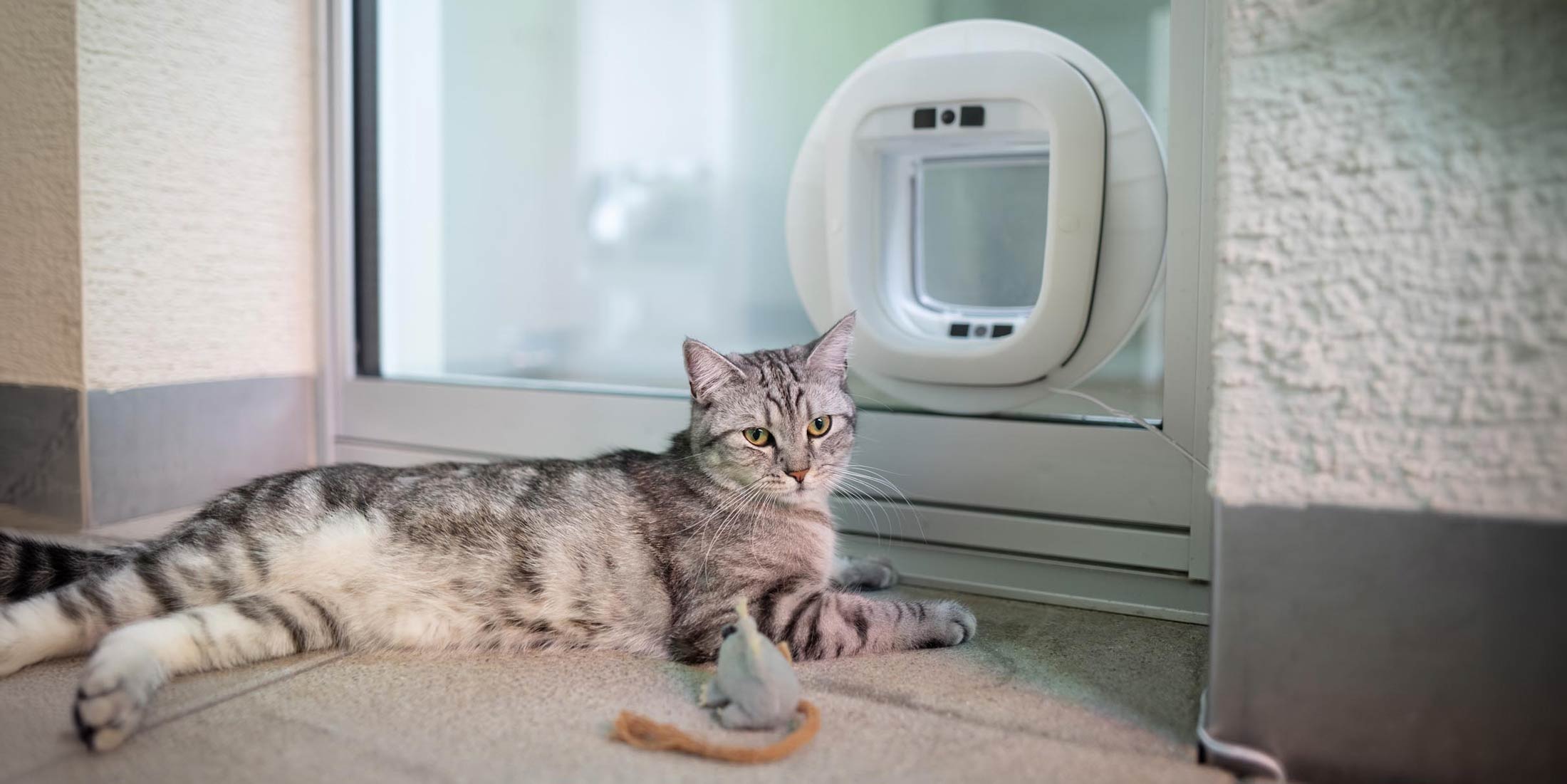
Are you tired of your cat constantly bringing home prey? Flappie has the solution for you: a smart cat flap that prevents your cat from bringing prey into the house. This flap uses advanced AI technology to detect whether your cat is coming home alone or with prey. If prey is involved, the flap stays closed.
Controlling Flappie is incredibly easy and done via a user-friendly app . You'll receive push notifications , can watch videos of your cat, and have access to fascinating statistics. With Flappie, you have complete control and can rest assured that no unwanted prey will find its way into your home. Intrigued? Then visit https://flappiedoors.com and discover how Flappie can improve your life and your cat's.
Frequently Asked Questions
What does it mean when cats knead their feet?
When cats knead their feet, they are expressing their well-being, preparing their sleeping place, or calming themselves in stressful situations. It is a sign of security and can also be a form of territorial marking, as scent is released from the scent glands between the toes. This behavior also indicates that the cat feels comfortable and safe.
Why do cats knead the blanket?
Cats knead blankets as part of their kneading behavior, which dates back to their kittenhood when kneading their mother's teats stimulated milk production. As adult cats, kneading is a way for them to relax, feel secure, and create a cozy environment.
Why is my cat kneading me?
When your cat kneads you, it's showing a deep sense of security and affection. It reminds her of the security and affection she received from her mother as a kitten. She transfers this behavior to her humans to express affection and trust.

Share:
How to Litter Box Train Your Dog
Cat Leash Training: A Comprehensive Guide