


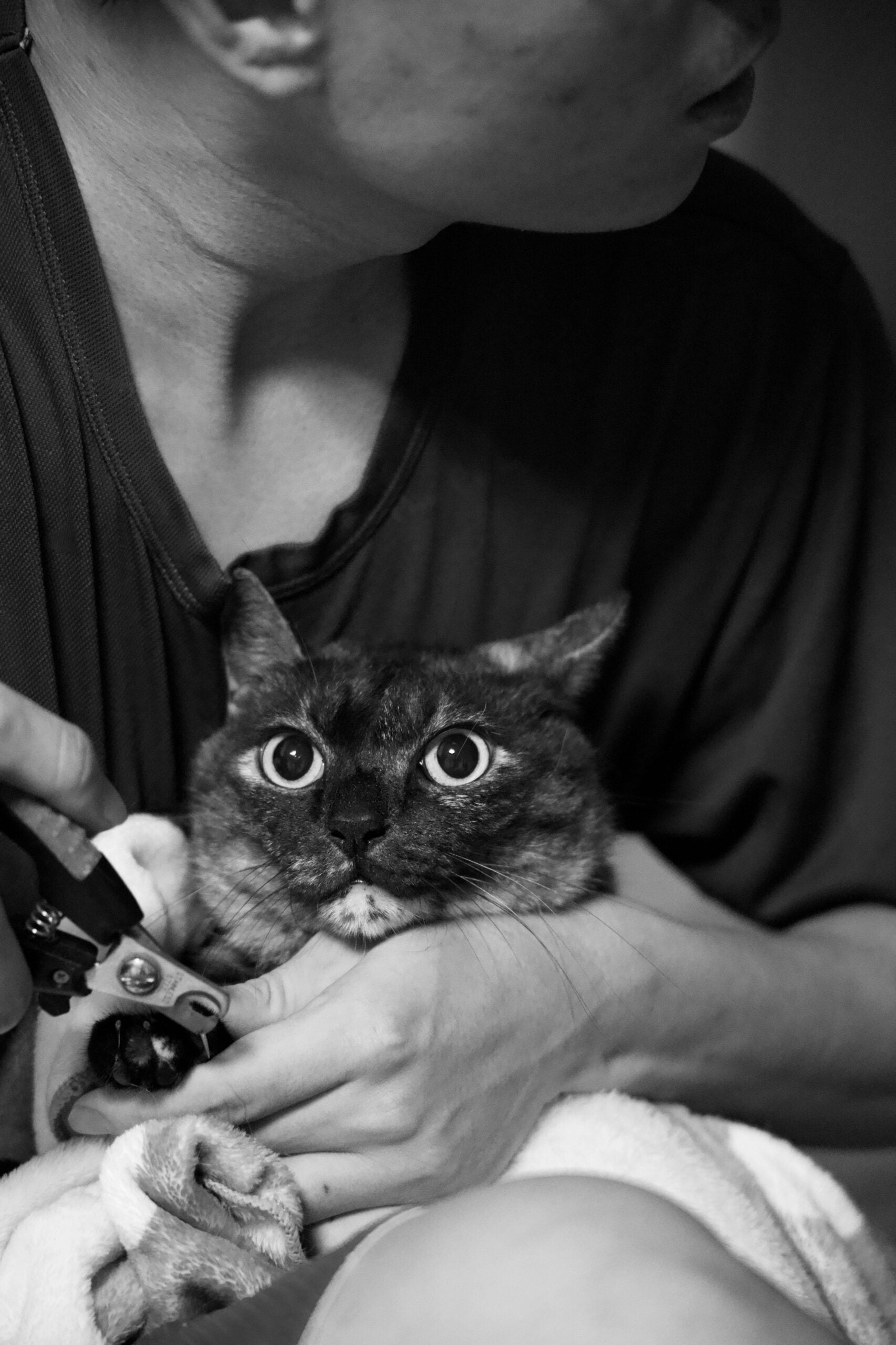
Every cat owner knows the worry about their pet's health. But what if a blood test is needed – how much should you budget for it?
The cost of a blood test for cats can vary depending on the scope and type of test, but typically ranges between about 40 and 120 euros for a basic blood count.
In this article, we take a detailed look at the cost of blood tests for cats, explain the factors that can influence them, and offer tips on how you might be able to save money.
Veterinary costs for a blood test in cats
A blood test is an important part of medical diagnostics for cats, helping to monitor your feline friend's health. However, the cost of such tests can vary considerably depending on several factors. These include the scope of the blood test, whether a basic or comprehensive blood count is performed, and the need to send samples to external laboratories.
It's important to inquire about costs at your veterinary practice beforehand. Practices often offer package deals for routine checkups that include blood tests. The practice's location can also influence pricing. Furthermore, good preventative care and regular health checkups can often prevent expensive follow-up treatments.
Cost overview: Veterinary cost table for cats
The veterinary cost table for cats provides an overview of the prices for common veterinary services. This includes costs for blood tests, routine check-ups, vaccinations, neutering/spaying, and emergency procedures. The table helps you get an initial idea of potential costs and serves as a guide for better financial planning.
The triple sentence at the vet: When is it permissible?
Under certain conditions, veterinarians may charge three times the standard fee. These include emergencies outside of regular opening hours, particularly complex examinations or treatments requiring additional time or specialized expertise. This regulation is stipulated in the German Veterinary Fee Schedule (GOT) and aims to ensure appropriate compensation for specialized veterinary services.
Saving money at the vet: Is postponing an option?
Postponing a vet visit to save money can be tempting, but it's usually not a good idea. Diseases detected early are often easier and cheaper to treat. A delayed vet visit, on the other hand, can lead to a worsening of your cat's health and result in higher costs in the long run.
To save money without jeopardizing your cat's health, you should schedule regular checkups and consider pet insurance. Some policies cover routine examinations and even blood tests, which can help you avoid unexpected high costs. It's also advisable to compare different veterinary clinics in terms of their prices and services.
Does cat health insurance cover blood tests?
When it comes to your cat's health, blood tests are an important tool for diagnosing illnesses. But who pays for them? Many cat owners wonder if cat health insurance covers the cost of blood tests. The good news is that in many cases, cat health insurance covers the cost of blood tests, provided they are medically necessary. This includes both routine checkups and specific tests required to diagnose certain diseases.
However, coverage of costs depends heavily on the chosen insurance plan. Some insurers offer special plans that cover a wide range of diagnostic procedures, including blood tests. It is important to carefully review the benefits before taking out insurance and to check whether blood tests are included. Additionally, it can be helpful to inquire about the possibility of a spending limit for diagnostic procedures, which some plans offer.
Protection against high veterinary costs: What are your options?
Many cat owners are worried about high veterinary bills. However, there are several ways to protect yourself. One is to take out cat health insurance, which, depending on the plan, can also cover the costs of diagnostic tests such as blood tests. Another option is to set aside an emergency fund specifically for veterinary expenses. This can be a great help in an emergency and give you more flexibility in your cat's treatment.
No money for the vet: What help is available?
If you are currently unable to afford the veterinary costs, there are various forms of assistance available. One option is financial support from friends or family who can pay the veterinarian's bill directly. This avoids any potential misunderstandings regarding the reimbursement of expenses.
Furthermore, there are organizations and volunteer projects that help pet owners in need. For example, they offer support with paying veterinary bills or, in certain cases, arrange free treatments by volunteer veterinarians. Crowdfunding campaigns can also be an option to raise the necessary funds for your cat's treatment.
Why are blood tests useful for cats?

Blood tests in cats are an indispensable tool in veterinary diagnostics. They provide a wealth of information about your pet's health and can help detect illnesses early. Why is this so important? Cats are masters at hiding pain or discomfort. A blood test can reveal underlying issues before external symptoms become apparent. This allows for prompt and targeted treatment, significantly improving the chances of recovery.
The range of information that can be gained through blood tests is impressive. From checking organ function to diagnosing infections, hormonal imbalances, or blood disorders – all this information can be obtained from a blood sample. This is particularly important for cats that are allowed outdoors or have a chronic illness. In these cases, regular blood tests can help to closely monitor their health and intervene quickly if necessary.
What a blood test in cats can reveal
A blood test in cats can reveal a wide range of diseases and conditions. For example, analyzing the blood count can detect signs of infection by checking the white blood cell count. Serious illnesses such as hyperthyroidism or diabetes can also be identified. This information is crucial for initiating the correct treatment and ensuring your cat's well-being.
Besides diagnosing illnesses, blood tests can also provide important information about your cat's general health. For example, they can reveal:
- Changes in organ function can be detected early.
- Electrolyte imbalances, which may indicate nutritional problems or illnesses, can be detected.
- Hormone levels are checked to diagnose hormonal imbalances.
This information is invaluable for keeping your cat healthy and happy.
The importance of regular health checks for cats

Regular health checks play a crucial role in the preventative care and maintenance of cats' health. They allow for the early detection of illnesses and appropriate treatment. This is particularly important because cats often only show symptoms when an illness is already advanced. Preventative examinations, which also include blood tests, can identify potential health problems before they become serious.
Experts recommend that cats undergo a health check once a year. For older cats or animals with pre-existing conditions, it may even be advisable to have these checks every six months. The checks typically include:
- A general examination of the physical condition.
- A check of vaccination status and parasite control.
- A blood test to assess internal health.
These measures will help keep your cat healthy throughout its entire lifespan.
How does blood sampling work in cats?
A blood test is an important part of a veterinary examination for cats and can provide information about your pet's health. The process typically begins with the cat arriving at the veterinary practice or animal hospital and being prepared for the procedure. This usually involves shaving and disinfecting a small area on the cat's leg or neck to prepare the insertion site for the sterile needle.
Once the vein is constricted and the puncture site disinfected, the veterinarian carefully inserts the needle and draws the required amount of blood. The entire procedure only takes a few minutes, and the cat can usually go home immediately afterward. It is important that the cat remains calm and as relaxed as possible during the blood draw to avoid injury and stress. Therefore, good preparation and aftercare are essential.
Tips for stress-free blood sampling in cats

To make the blood draw as stress-free as possible for your cat, there are a few tips you can follow. Before the blood draw, it's helpful to get your cat used to having its leg and paw handled. You can gently hold your cat's leg and stroke the potential injection sites to get them used to the touch. After the blood draw, give your cat lots of love and perhaps a treat to calm them down and reassure them that everything is okay. A cozy blanket or their favorite toy in the carrier can also help to soothe your cat and make them feel secure.
Keep an eye on your cat's health with Flappie
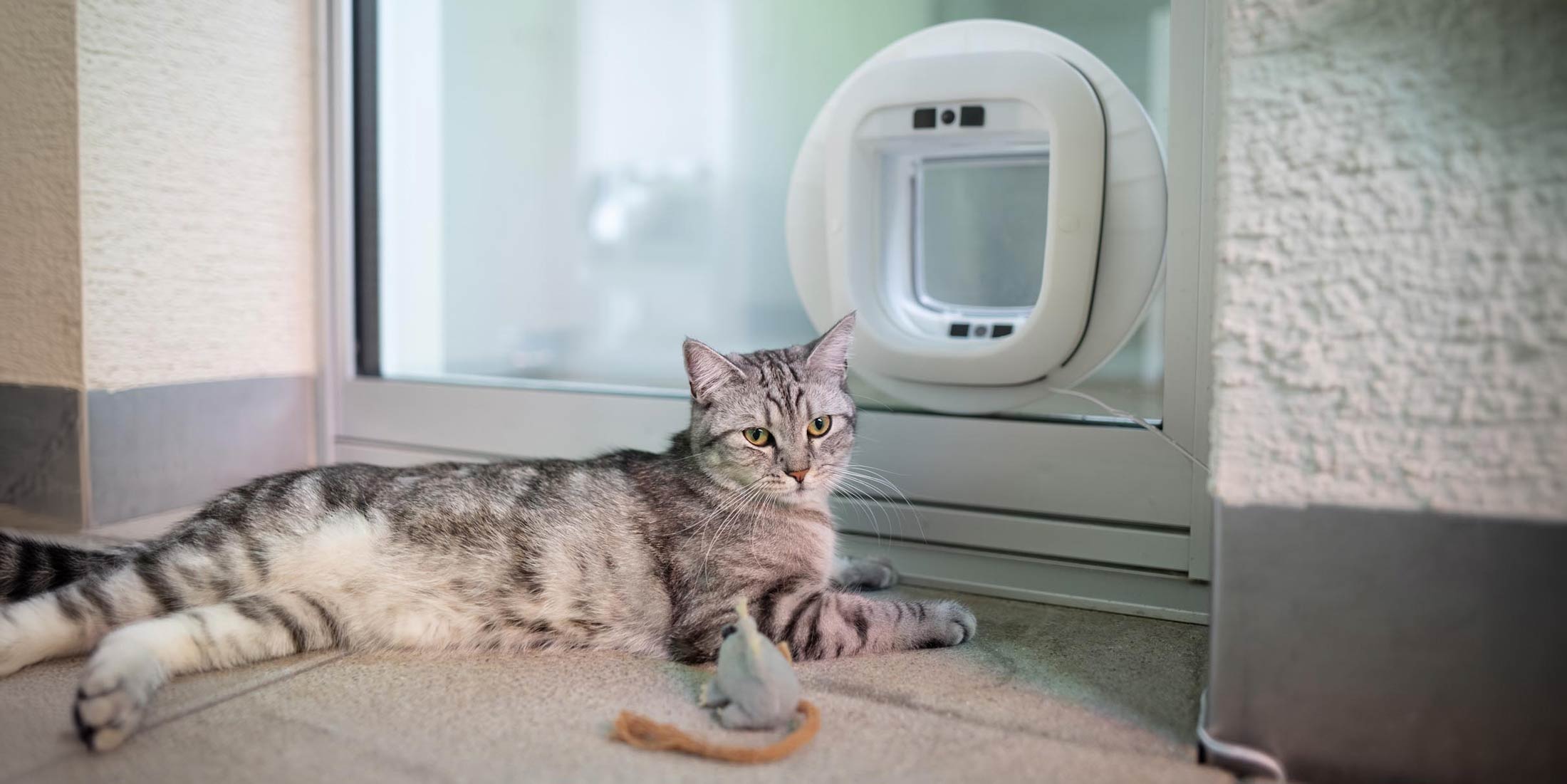
Flappie offers an innovative solution for keeping an eye on your cat's health. The Flappie smart cat flap is equipped with a camera and artificial intelligence that not only prevents your cat from bringing home prey, but also allows you to monitor your cat's behavior. This is especially useful for ensuring your cat stays active and healthy. With Flappie you can:
- Monitor your cat's activities to ensure she gets enough exercise.
- Recognize unusual behavior early , as this could be an indication of health problems.
- Control your cat's entrances and exits to prevent her from exposing herself to dangers outside.
The Flappie app plays a central role. It not only allows you to control the cat flap from anywhere, but also sends you notifications about your cat's activity. This way, you're always informed whether your cat is safely home or if there are any unusual occurrences. Furthermore, the app allows you to:
- View videos and photos of your cat to capture special moments.
- View your cat's statistics and behavior patterns to gain a better understanding of its health and well-being.
Visit Flappie now and discover how you can effectively monitor your cat's health with the smart cat flap and the accompanying app.
Frequently Asked Questions
How much does a blood test cost for a cat?
The cost of a blood test for cats can vary depending on the scope and type of test, but typically ranges between about 40 and 120 euros for a basic blood count.
How much does a blood test cost at the vet?
A basic blood test at the vet typically costs between 40 and 120 euros. However, the costs can vary depending on the scope of the examination and the veterinary practice.
How often should cats have blood tests?
It is recommended that cats undergo a health check once a year, which may include a blood test. For older cats or animals with pre-existing conditions, it may even be advisable to carry out these checks every six months.


Share:
End-stage renal failure in cats: what to do
Keeping your cat healthy: Tips for a long cat life