


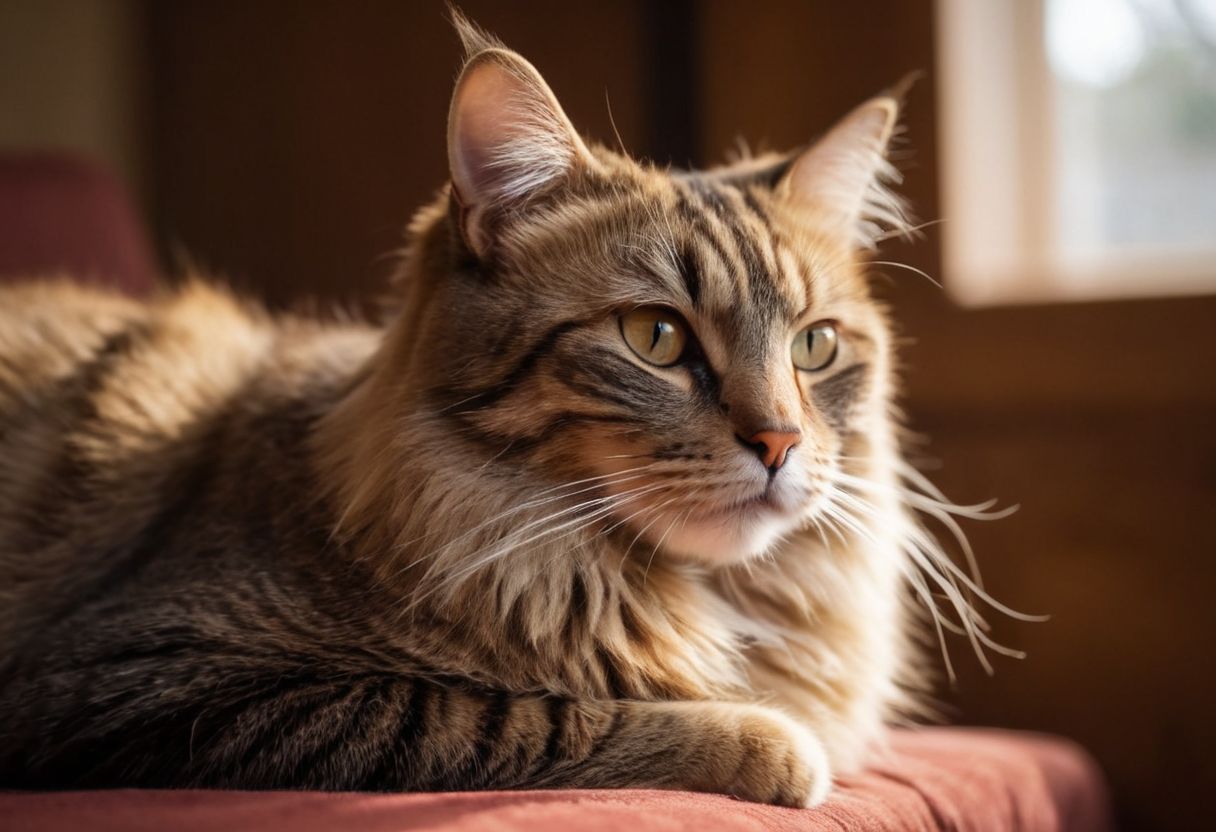
Imagine your cat suddenly refuses her food, even though she was always hungry before.
This could be a sign that she is in the final stages of diabetes – a situation that deeply affects every cat owner.
In the final stages of diabetes in cats, symptoms such as extreme weight loss, dull coat, apathy and even life-threatening conditions such as diabetic ketoacidosis appear.
This article will tell you more about the symptoms that occur in the end stage of diabetes in cats, and provide insights into the basics of the disease, nutritional tips and treatment options.
Understanding the end stage of diabetes in cats
End-stage diabetes in cats is a serious condition that can significantly impact your cat's life. If left untreated, it can lead to severe complications that drastically reduce your cat's quality of life. At this stage of the disease, the cat's body is no longer able to process glucose effectively, resulting in a host of health problems.
The prognosis for cats in the end stage of diabetes is often serious, as the disease progresses and can lead to further health problems. It is crucial that cat owners recognize the signs and symptoms of this stage of the disease in order to provide their cat with the best possible care. Early detection and treatment can help slow the progression of the disease and improve your cat's quality of life.
Symptoms of end-stage diabetes in cats
In the end stage of diabetes, cats often exhibit a range of symptoms indicating that their health is seriously compromised. Typical symptoms include extreme thirst and increased appetite , while weight continues to decrease. These symptoms result from the body's inability to utilize glucose effectively, leading to energy depletion.
Other symptoms in the end stage of diabetes in cats may include:
- Weight loss despite increased appetite
- Increased urination , which can lead to dehydration.
- Dull, rough coat and general weakness
- In severe cases, vomiting or even life-threatening diabetic ketoacidosis may occur, requiring immediate medical intervention.
Basics of diabetes in cats

Diabetes in cats, also known as feline diabetes, is a serious condition that impairs a cat's ability to regulate blood sugar. The most common form in cats is type 2 diabetes, in which the body's cells no longer respond properly to the hormone insulin, which transports sugar from the blood into the cells. When this mechanism is disrupted, too much sugar remains in the blood, leading to elevated blood sugar levels. This can cause various health problems in the long term, including nerve damage, kidney failure, and poor wound healing.
Causes of diabetes in cats
The causes of diabetes in cats are varied and often a combination of genetic and environmental factors. Obesity is a significant risk factor, as it can increase insulin resistance. Neutered cats and older cats over six years of age are also more likely to develop diabetes. Other risk factors include lack of exercise and certain medications such as cortisone. Genetic predisposition also plays a role, with some breeds, such as the Burmese or the Maine Coon, being more susceptible to diabetes.
Proper nutrition for cats with diabetes

Proper nutrition is crucial for the health of cats with diabetes. The food should be high in protein and low in carbohydrates to minimize insulin requirements and stabilize blood sugar levels. It's important that the food provides regular, small meals throughout the day to avoid fluctuations in blood sugar levels. Additionally, omega-3 fatty acids, which can have anti-inflammatory effects, should be included. When choosing food, always ensure high quality and consult a veterinarian if necessary.
Blood glucose measurement in cats

Blood glucose monitoring is an essential part of monitoring and managing diabetes in cats. Normal blood glucose levels in cats range between 80 and 120 mg/dl. This measurement can be performed at home by taking a small drop of blood, for example, from the ear tip, and placing it on a test strip, which is then inserted into a blood glucose meter. It is important to perform these measurements regularly to keep track of blood glucose levels and adjust the insulin dose accordingly.
Treatment options for cats with diabetes
Treating diabetes in cats can be complex and often requires a combination of medication and non-medication approaches. The most common method is insulin therapy, which aims to regulate blood sugar levels. However, in addition to insulin, there are newer medications that can help control blood sugar without the need for insulin injections. These medications, often known as oral antidiabetic drugs, can be a convenient alternative for cat owners who find it difficult to administer insulin regularly. It's important to work closely with your veterinarian to determine the best treatment option for your cat.
In addition to medication, dietary measures play a crucial role in the treatment of diabetic cats. A special diet, rich in protein and low in rapidly digestible carbohydrates, can help stabilize blood sugar levels. Furthermore, it is essential to monitor the cat's weight and encourage weight loss if necessary, as obesity can worsen insulin resistance. Regular physical activity also supports insulin sensitivity and contributes to overall health. The combination of a tailored diet and regular exercise can significantly improve diabetes management.
Insulin administration in diabetic cats

Insulin therapy is a common and often necessary treatment for diabetes in cats. It is usually administered via subcutaneous injections, typically twice daily. The veterinarian will determine the initial dose based on various factors, including the cat's weight, age, and overall health. It is extremely important that you do not change the insulin dose yourself, but only in consultation with your veterinarian to avoid risks such as hypoglycemia.
Regular blood glucose monitoring is crucial for adjusting the insulin dose correctly. You can assist your veterinarian by performing regular blood glucose measurements at home and documenting the results. This information is valuable for assessing the effectiveness of insulin therapy and making adjustments as needed. Several types of insulin are available for cats, and choosing the right one can significantly improve diabetes management.
How Flappie can help you monitor your cat's health
Flappie offers an innovative solution that not only solves the problem of your cat bringing in unwanted prey but also helps monitor their health. The Flappie smart cat flap is equipped with a high-resolution camera and artificial intelligence that allows for precise analysis of your cat's behavior. This is particularly useful for detecting changes in behavior or health early on. For example, if your cat is suddenly less active or tries to use the flap more often than usual, this could indicate a health problem. The Flappie app also sends you real-time notifications when such behavioral changes are detected, allowing you to react quickly.
The advantages of the Flappie cat flap go far beyond simply controlling entry and exit. Here are some key features that make Flappie special:
- Selective access control : Prevents your cat from bringing prey into the house.
- Prey detection : The AI-powered camera detects whether your cat has something in its mouth.
- Health monitoring : Detects changes in behavior that could indicate health problems.
- Flappie App : Allows you to access the flap from anywhere and provides you with detailed reports and notifications.
By using Flappie , you can not only improve the cleanliness and security of your home, but also make a valuable contribution to your cat's health. Visit https://flappiedoors.com to learn more about how you can use Flappie 's technology to promote a healthier life for your cat.
Frequently Asked Questions
How does a diabetic cat behave?
In the end stage of diabetes, a cat with this condition often exhibits symptoms such as extreme thirst and increased appetite, while weight continues to decrease. Other behavioral changes may include increased urination, a dull, rough coat, and general weakness. In severe cases, vomiting or even life-threatening diabetic ketoacidosis can occur.
What happens to the cat if it is not treated for diabetes?
If diabetes in cats is left untreated, it can lead to serious complications that significantly reduce the cat's quality of life. In the end stages of the disease, the cat's body is no longer able to process glucose effectively, resulting in a variety of health problems, including extreme weight loss, a dull coat, lethargy, and life-threatening conditions such as diabetic ketoacidosis.
What happens if you give a cat too much insulin?
The blog post mentions that it is extremely important not to change the insulin dose independently, but to do so in consultation with the veterinarian to avoid risks such as hypoglycemia. Hypoglycemia is a condition caused by excessively low blood sugar levels and can be dangerous if too much insulin is administered.

Share:
Shrunken kidney in cats: causes, symptoms and treatment
Healthy snack for cats: selection and benefits