

Have you noticed that your cat is suddenly sleeping differently than usual?
This could be an indication that she is not feeling well and is experiencing pain or discomfort.
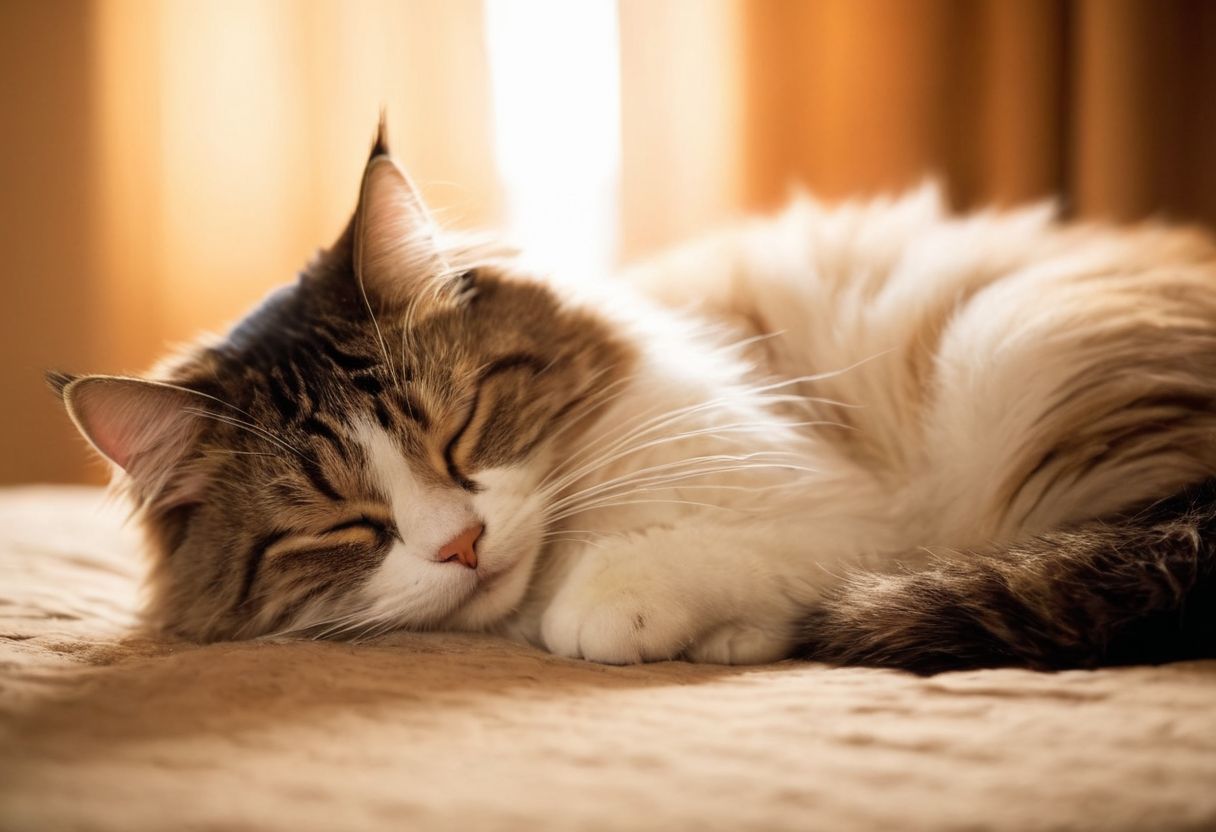
When a cat is sick, it often seeks out secluded places and assumes a protective position, such as the crescent shape, to keep warm and protect its sensitive areas.
This article will tell you how to interpret your cat's sleeping positions and understand what they reveal about its health, and will give you tips on how to support its well-being.
Identifying sleeping positions and their significance for sick cats

If you notice your cat adopting an unusual sleeping position, this could be an important clue about its health. Sick cats often seek protection by curling up tightly or choosing a secluded sleeping spot to hide and minimize pain. These changes in sleeping behavior may indicate that it's time to consult a veterinarian.
A sick cat's sleeping position can reveal a lot about its well-being. For example:
- A tightly rolled-up ball can indicate that the cat is cold or in pain.
- Sleeping with your head down could be a sign of weakness or apathy.
- An unusual position, such as sleeping on your stomach with your legs stretched out, can indicate abdominal pain. It is important to recognize such signs early and act accordingly.
By observing and understanding your cat's sleeping positions, you can better respond to her needs and help her recover. Attentive observation and prompt action can be crucial in promoting your cat's well-being and health. Remember to always consult a veterinarian if you suspect illness.
The role of temperature in the sleeping positions of sick cats

The ambient temperature has a significant impact on the sleeping positions of sick cats. When it's cold, cats tend to curl up tightly to conserve body heat and protect themselves from cold drafts. This is especially common in sick cats, who need extra warmth to regulate their body temperature.
In warmer environments, sick cats may prefer a more stretched-out position to avoid overheating. It's important to adjust your cat's sleeping environment to maximize their comfort and support their recovery. Ensure they have a cozy, temperature-controlled sleeping spot that promotes their health.
Behavioral analysis of sick cats during sleep
A sick cat's behavior during sleep can provide additional clues about its health. For example, a cat that frequently changes its sleeping position or sleeps restlessly may be in pain. Furthermore, frequent waking and an inability to find a comfortable position can be a sign that something is wrong.
Other behavioral changes that can be observed during sleep include:
- Growling or meowing during sleep, which can indicate pain or discomfort.
- An increased retreat to remote locations, indicating a desire to be undisturbed.
- Avoiding previously preferred sleeping spots could indicate a change in well-being. It is crucial to pay attention to such behavioral changes and consult a veterinarian if you have any concerns.
The importance of a safe retreat for sick cats

A safe haven is essential for sick cats to recover and regenerate. Sick cats often retreat to quiet and sheltered places to minimize stress and discomfort. It's therefore important to create such spaces for your cat in your home. These should meet the following criteria:
- Peace and quiet : The spot should be in a quiet corner with little traffic, where the cat can remain undisturbed.
- Comfort : Soft surfaces such as pillows or blankets offer comfort and warmth.
- Accessibility : The retreat should be easily accessible for the cat, especially if it is physically weak.
- Privacy : A certain degree of privacy helps the cat feel safe and undisturbed.
Setting up a retreat like this shows your cat that you take its needs seriously and support its well-being. This can strengthen the bond between you and your cat and help it recover faster. Remember that every cat has individual preferences, so it's a good idea to offer different options and observe which your pet prefers. A well-designed retreat can have the following benefits:
- Stress reduction : A dedicated area can help lower your cat's stress level.
- Pain relief : In a comfortable and protected environment, your cat can relax better, which can help relieve pain.
- Faster recovery : In a stress-free and comfortable environment, your cat can recover and regenerate better.
Sleep phases in sick cats and their significance
Sick cats often spend more time sleeping than healthy cats, and the quality of their sleep can vary greatly. This is because sleep helps the body heal and strengthens the immune system. Therefore, the sleep patterns of sick cats can differ from those of healthy cats. Generally, cats go through two main types of sleep: light sleep and deep sleep. However, sick cats may need longer periods of deep sleep to recover. It is important to watch for the following signs:
- Changes in sleep patterns : If your cat suddenly sleeps more or in unusual places, this could be a sign of illness.
- Sleep quality : Pay attention to whether your cat sleeps peacefully or shows signs of discomfort such as twitching or restless movement.
Sleep quality has a direct impact on your cat's health. A quiet and comfortable sleeping place can help your cat feel better and recover faster. Make sure the sleeping area is well-padded and protected from noise and drafts. It can also be helpful to regularly check and adjust your cat's sleeping environment to ensure optimal conditions. Here are some tips to improve your sick cat's sleep quality:
- Soft surfaces : Provide your cat with a soft, comfortable surface that she will enjoy using.
- Heat : An additional heat source, such as a heating blanket, can be particularly helpful for older or sick cats.
- Peace and quiet : Make sure your cat's sleeping area is far away from loud noises and frequent disturbances.
How Flappie can support the well-being of your sick cat
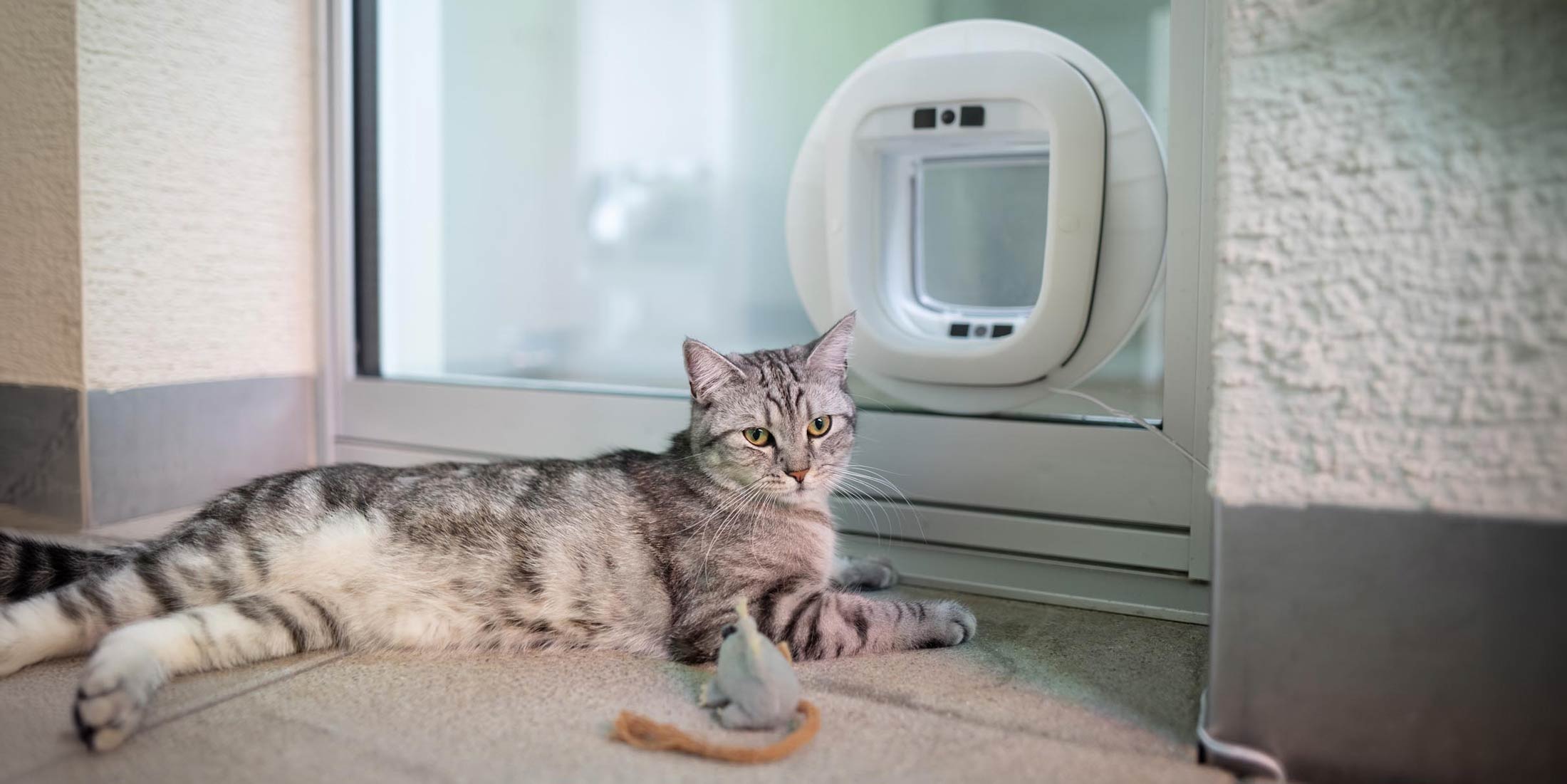
The Flappie cat flap offers the following advantages:
Selective access control ensures that only your cat and no unwanted guests can enter the house.
- Prey detection via AI-controlled camera prevents your cat from bringing sick or dirty prey into the house.
- Notifications and remote control via the Flappie app, which allows you to monitor your cat's activity and adjust access settings, even when you're not at home. These features help create a clean and controlled environment that supports your sick cat's well-being.
Furthermore, the Flappie app can help you better understand and monitor your cat's behavior. If your cat is ill, knowing its movements and habits can be crucial to ensure it doesn't overexert itself or get into a dangerous situation. The app allows you to control the times your cat is allowed to go outside, which is especially useful for keeping it indoors at night or during bad weather. The benefits of the Flappie app include:
- Real-time notifications when your cat tries to bring home prey.
- Video and photo features that allow you to watch your cat and capture sweet moments, even when you are not with her.
Customizable settings allow you to control your cat's access times based on their health condition. By using Flappie in your home, you can not only improve your sick cat's well-being but also ensure your home remains clean and safe. It's time to take proactive steps to protect your cat and your home. Visit https://flappie.ch to learn more about this innovative solution.
Frequently Asked Questions
How does a cat sleep when it is in pain?
When a cat is in pain, it tends to curl up tightly. This can be a sign that it is cold or in pain. It will also often seek out secluded and sheltered places to hide and minimize its pain.
How do sick cats sleep?
Sick cats often seek shelter in a tightly curled position or choose a secluded sleeping spot to hide and minimize pain. In colder environments, they curl up more tightly to conserve body heat, while in warmer environments they may prefer a more stretched-out position to avoid overheating.
How does a cat lie when it is not feeling well?
When a cat is unwell, it often assumes a protective position, such as the crescent moon, or lies in an unusual position, like on its stomach with its legs stretched out, which can indicate abdominal pain. These positions serve to protect its sensitive areas and minimize pain.
How can you tell if a cat is suffering?
You can tell a cat is suffering if it frequently changes its sleeping position, sleeps restlessly, or shows signs of discomfort such as twitching or restless movement. Other signs may include growling or meowing in its sleep, which can indicate pain or discomfort, as well as increasingly retreating to secluded spots.

Share:
Recognition and Management of PKD Cat Symptoms
Cat Bad Breath Teething: Causes and Solutions