

You've probably wondered how old your British Shorthair cat can get. Concern for the health and well-being of our furry friends is something we all share.
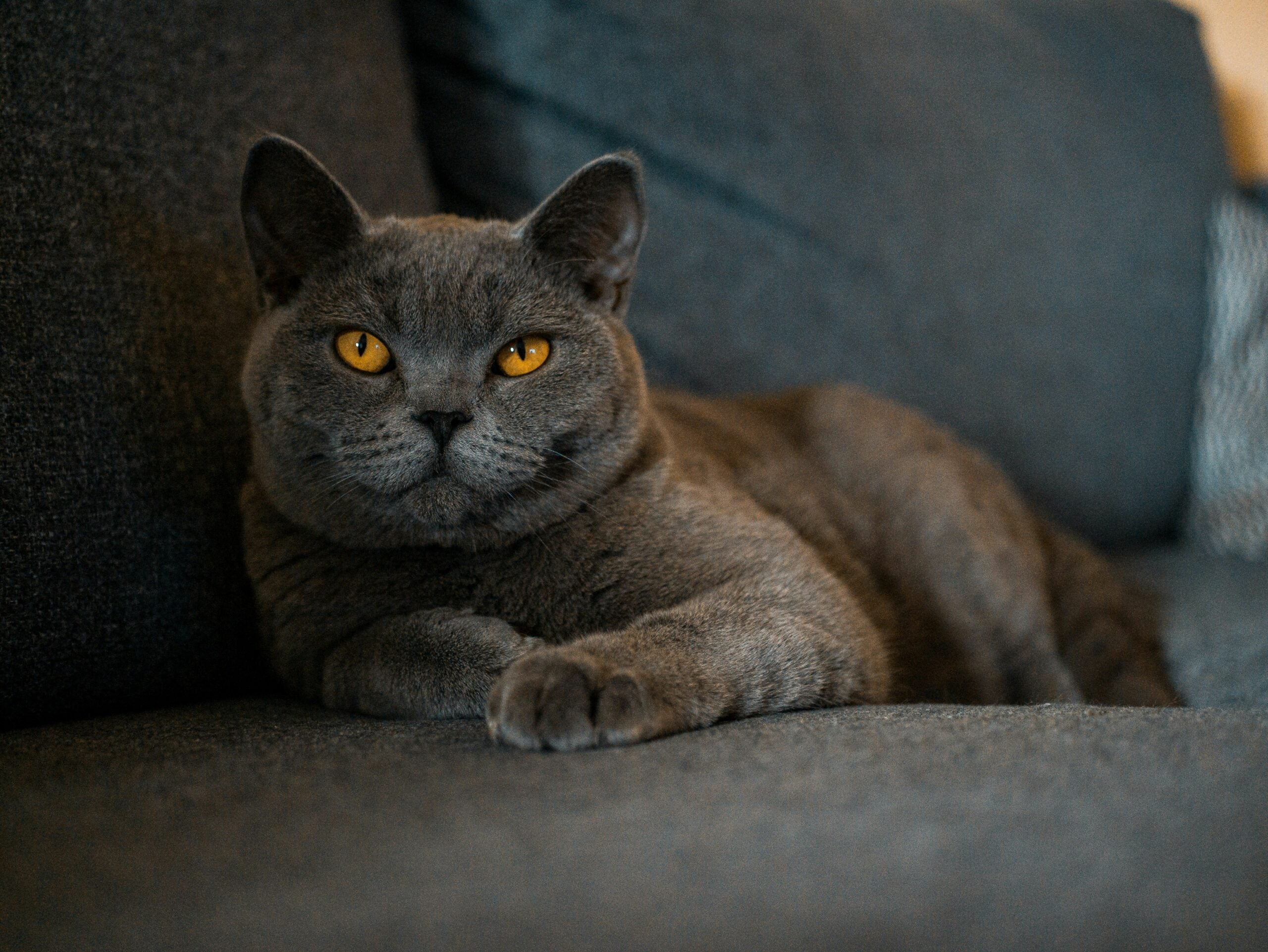
British Shorthair cats are known for their easygoing and calm nature and, with good care, can reach a life expectancy of over 20 years.
In this blog post, we delve into the world of British Shorthair cats and explore everything there is to know about their age – from developmental stages to tips for a high quality of life at any age.
Life expectancy of the British Shorthair: What can you expect?

The British Shorthair, often affectionately called BSH, is one of the most popular cat breeds. On average, these feline companions can live to be 12 to 20 years old . However, this depends heavily on various factors such as genetics, diet, and care. As an owner, you can contribute to your cat living a long and healthy life by providing good care.
To maximize the life expectancy of your British Shorthair, there are some important points to consider:
- Regular veterinary check-ups are essential to detect potential health problems early.
- A balanced diet contributes to overall health and vitality.
- Sufficient exercise and activity help to avoid obesity and stimulate the mind.
It's remarkable that some British Shorthairs can even reach an age of over 20. While this isn't the norm, it shows that with proper care and a loving home, these cats can live to a very old age . Preventative care and attention are key components in ensuring your British Shorthair has a long and fulfilling life.
Developmental stages of a British Shorthair: From kitten to senior age

The development of a British Shorthair (BKH) goes through various phases, ranging from kittenhood to senior years. In the first few weeks after birth, the kittens are very weak and dependent on their mother's milk. After about a week, they open their eyes and begin to explore their surroundings. During this time, it is particularly important to pay attention to a balanced diet and the kittens' health , as their immune system is still developing.
Between three and six months of age, a significant developmental milestone occurs: the shedding of baby teeth. The milk teeth give way to permanent teeth, and the kitten continues to develop into a young adult. During this phase, they require special food tailored to their increased energy and nutrient needs. Regular veterinary checkups are also essential now to monitor the young cat's health and growth.
After their first year, cats' behavior gradually calms down. They stop growing and show the first signs of adulthood , such as the whitening of the fur around their mouths. In the following years, they continue to develop their personalities and strengthen their bond with humans. This is a time when the cat gathers many experiences and develops its social skills .
British Shorthairs are considered seniors from the age of seven . At this age, the first signs of aging, such as increased fatigue or reluctance to move, may appear. A tailored diet and preventative healthcare now play an even more important role in maintaining the cat's quality of life and promoting its well-being. This is a time when the long-standing bond between cat and owner becomes particularly significant.
Physical characteristics of BKH over time

The physical characteristics of British Shorthairs change significantly throughout their lives. While kittens gain weight and size rapidly in their first few months, they don't reach their full size until around three years of age . This growth process should not be disrupted by premature neutering, as this can impair their growth.
A fully grown British Shorthair male typically weighs between 6 and 8 kilograms , while a female is usually somewhat lighter, weighing between 4 and 6 kilograms . Besides weight, the coat texture also varies. Due to its density and thickness, the British Shorthair's coat stands away from the body and is particularly easy to care for, except during shedding season.
Physical characteristics can change further with age. For example, whitening hairs around the mouth are often the first sign of aging. It's important to monitor the cat's weight, as British Shorthairs, due to their moderate activity level, can be prone to obesity, which increases the risk of heart disease .
British Shorthair male versus female: Is there a difference in age?

There are some differences in the development of British Shorthair males and females. Males reach sexual maturity about a month later than females. Furthermore, unneutered males tend to mark their territory and can exhibit more aggressive behavior, while females are more cooperative.
After neutering, gender-specific behaviors decrease. Male cats become calmer and exhibit less aggressive behavior. Female cats, on the other hand, may develop a stronger hunting instinct, as they are naturally inclined to care for their kittens.
Regarding life expectancy, there are no significant differences between male and female British Shorthairs. Both sexes can reach a lifespan of 12 to 15 years if they are not exposed to dangers such as road traffic and come from a healthy breeding line.
Health and susceptibility to illness in old age at BKH

British Shorthairs are at increased risk of various health problems as they age. Chronic kidney disease and hyperthyroidism are two of the most common illnesses that can affect older cats. These can negatively impact their overall well-being and require early diagnosis and treatment.
Preventive measures such as regular check-ups and a tailored diet are crucial for maintaining the health of older cats. Arthritis and dental problems are other common age-related ailments that can be prevented through weight control and good dental care.
Taking responsible care of your cat's health, including regular vaccinations and veterinary checkups, is crucial for maximizing its lifespan. Grooming also plays an important role, as it promotes blood circulation and helps in the detection of skin problems.
How old is your British Shorthair? Age determination and breed characteristics
To determine the age of your British Shorthair (BKH) , you can use several methods. The teeth are a good indicator: in kittens, they are pointed and white, while in older cats they may show signs of wear and perhaps even tartar. Behavior also provides clues about age: young cats are often more active and playful, while older cats may exhibit more tranquil habits.
The breed characteristics of the British Shorthair are also helpful in estimating its age. These characteristics include:
- A strong physique with a broad chest and round cheeks.
- Short, dense fur that may lose its shine with age.
- Large, round eyes that may lose their vibrancy over the years. These characteristic features can change over time and thus provide clues to your cat's age.
Quality of life at any age: Tips for your BKH

To improve the quality of life of your British Shorthair (BKH) at every age, it's important to understand and meet their needs . For younger cats, this primarily means plenty of play and exercise to keep them physically and mentally fit. As they age, activities should be adapted to the cat's energy and mobility , for example, by choosing gentler games or shorter play sessions.
Nutrition plays a central role in the health of your BKH (Bavarian chemotherapy). Here are some tips:
- Choose high-quality cat food that is tailored to the respective life stage.
- Fresh water should always be available.
- Give treats in moderation and calculate them as part of the daily food ration.
- For older cats, ensure they have easily digestible food that does not strain their kidneys.
Last but not least, the emotional bond is crucial for your cat's well-being. Regular petting and affection strengthen the relationship and promote your British Shorthair's zest for life . Also, be sure to schedule regular health checks to detect illnesses early and maintain a high quality of life for your cat.
Record holder: The oldest British Shorthair cat

The lifespan of a British Shorthair cat can be impressive, especially considering that some of these felines live well beyond the average age. There are cases where British Shorthairs have exceeded the 20-year mark , making them true record holders of their breed. These exceptions confirm that, under optimal conditions such as a healthy diet , sufficient exercise, and regular veterinary checkups , British Shorthairs can live remarkably long lives.
What can we learn from the life of the oldest British Shorthair cat? Firstly, it shows that genetic predisposition and good care go hand in hand to enable a long lifespan. Here are some points that can contribute to this:
- A balanced diet that provides all the necessary nutrients
- Regular health checks to detect and treat illnesses early.
- A safe and loving living environment that minimizes stress and promotes well-being. These factors play a crucial role in enabling your British Shorthair to live the longest and healthiest life possible.
Frequently asked questions about the age of BKH answered
Many cat owners wonder how old their British Shorthair (BKH) can get. The average lifespan of this breed is between 12 and 20 years . However, there are cases where BKHs have lived to be over 20 years old. This long lifespan depends on various factors, such as:
- Genetic predisposition.
- Quality of nutrition.
- Scope and quality of care.
Another common topic is the development of British Shorthairs over the years. British Shorthair kittens grow more slowly than other breeds and only reach their full size at around three to five years of age. Throughout their lives, British Shorthairs go through various developmental stages :
- Kittenhood (up to about 1 year).
- Young adulthood (1-6 years).
- Mature age (7-10 years).
- Senior age (from about 11 years old).
Prevention and preventative healthcare are especially important for the health and longevity of your British Shorthair. Regular veterinary visits help to detect and treat illnesses early. You should also ensure a balanced diet tailored to your cat's age and needs. Important aspects of preventative healthcare include:
- Vaccinations and deworming.
- Dental checkups and care.
- Weight management to prevent obesity.
Nutrition and care: Influence on the age of your BKH

A balanced diet is crucial for the health and longevity of your British Shorthair (BKH). High-quality food, rich in protein and vitamins, supports the immune system and promotes well-being. This is especially important for older cats , whose nutritional needs change. Here are a few points to consider:
- Choose food that is suitable for your cat's respective life stage.
- Fresh water should always be available.
- Make sure your cat doesn't become overweight, as this can lead to health problems.
Besides nutrition, grooming plays a vital role in the life expectancy of your British Shorthair. Regular grooming not only helps keep the coat shiny and healthy, but also provides an opportunity to detect skin problems early. Other important grooming aspects include:
- Regular check-ups at the veterinarian are essential to detect health problems early.
- Dental care to avoid dental problems.
- Ensure a safe and stress-free environment, as stress can negatively affect health.
Flappie : Smart home for your British Shorthair
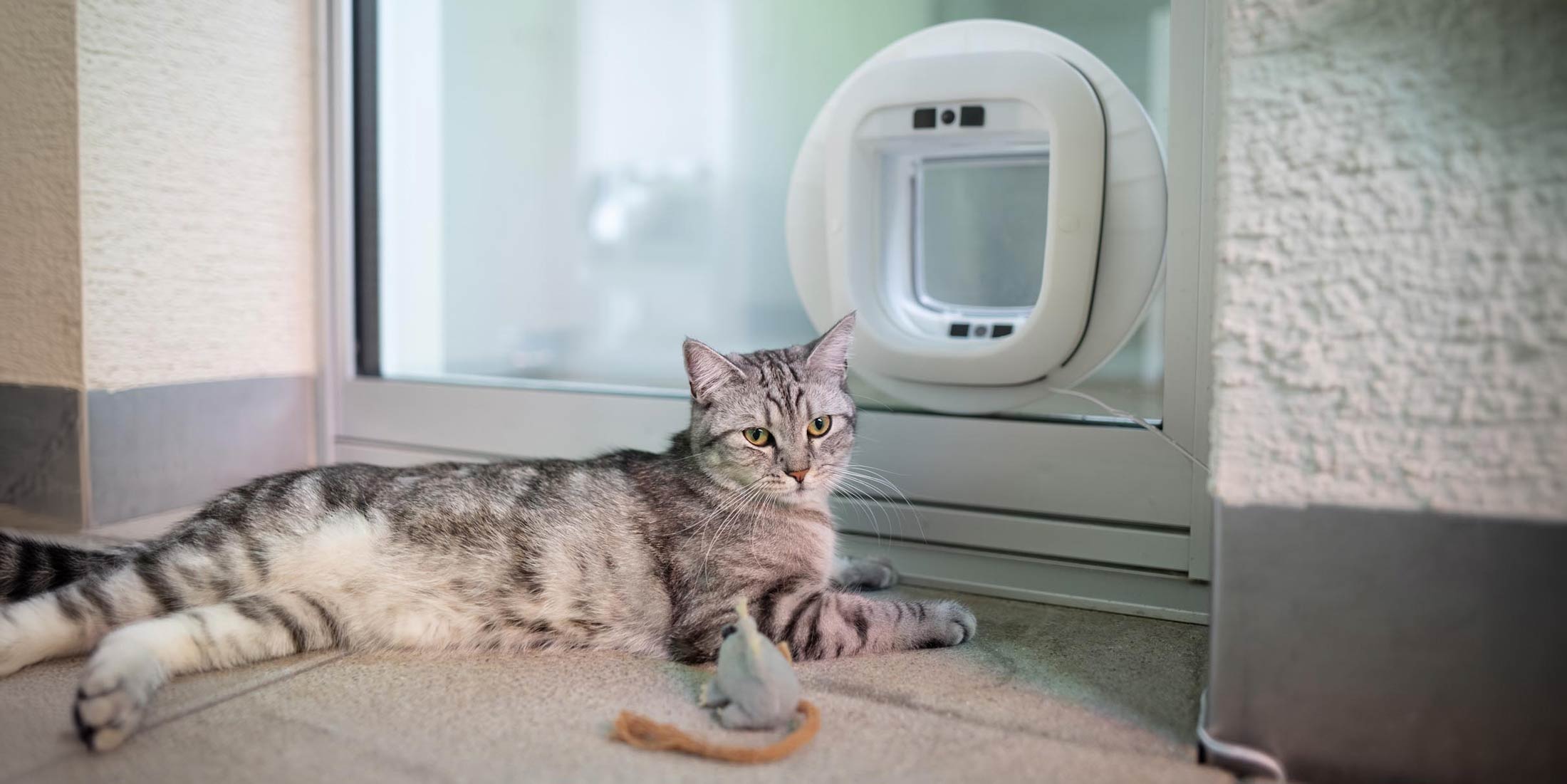
Do you own a British Shorthair cat and want to create a safe and smart home for your furry friend? Flappie offers an innovative solution: the smart cat flap . This flap isn't just a passageway for your cat, but a true guardian of your home. Here are some of the advantages Flappie offers you and your British Shorthair:
- Selective access control prevents your cat from bringing unwanted prey into the house.
- Prey detection via camera and AI technology ensures that only your cat - and nothing else - is allowed access.
- An app that informs you about your cat's activities, provides you with videos and photos, and allows you to adjust settings even when you're on the go.
Frequently Asked Questions
How old can a British Shorthair cat get?
A British Shorthair cat, often affectionately called a BSH, can reach an average age of 12 to 20 years. However, there are cases where BSHs live even longer than 20 years. Life expectancy depends on various factors, such as genetic predisposition, quality of diet, and the amount and quality of care.
What diseases are BKH susceptible to?
British Shorthairs are at increased risk of developing various health problems as they age. Among the most common conditions affecting older cats are chronic kidney disease and hyperthyroidism. Other common age-related ailments include arthritis and dental problems. These health issues can impact a cat's overall well-being and require early diagnosis and treatment.
When do British Shorthairs become calmer?
After their first year, British Shorthair cats become noticeably calmer. They stop growing and begin to show the first signs of adulthood. In the following years, they continue to develop their personalities and strengthen their bond with humans.

Share:
Cat with short legs: Everything about the Munchkin breed
Norwegian Forest Cat vs. Main Coon – A Comparison