

Have you ever wondered what it would be like to have a little tiger as a pet?
For cat lovers looking for something exotic, the Toyger cat breed offers a fascinating option.
The Toyger is a designer cat breed from the USA, bred to mimic the appearance of a tiger in miniature.
In this article you will learn everything about the Tiger cat breed, from its unique characteristics and history to care tips and interesting facts.
Appearance of the Tiger cat breed: Unique characteristics

Tabby cats are known for their striking appearance, which distinguishes them from other cat breeds. Their fur, often described as "tabby," displays patterns reminiscent of majestic tigers. The base color of the coat can vary, but the characteristic dark stripes are always present.
The texture of a tabby cat's fur is also unique. It is typically dense and soft, which helps them feel comfortable in a variety of climatic conditions. This fur texture not only provides protection from the elements but also enhances the visual depth of their markings.
Besides the beauty of their fur, the striking eye colors also play an important role in the appearance of tabby cats. Eye color can vary from gold to green to brown, providing a beautiful contrast to the dramatic fur patterns.
Patterns and markings in tiger cats

Tabby cats exhibit various patterns, all falling under the umbrella term "tabby." The most well-known patterns are the classic mackerel, characterized by clear, narrow stripes, and the classic tabby with wider, swirling patterns.
Other variations include the spotted pattern, where the stripes merge into small dots, and the ticked pattern, where each hair tip displays multiple colors, giving the coat a sandy appearance. This diversity in patterns makes each tabby cat a unique work of art.
The meaning of the spots in the fur of tiger cats
The spots on the fur of some tabby cats, especially the Bengal, are not only aesthetically pleasing but also genetically determined. These small, round markings, often called rosettes, resemble the patterns found on wild big cats like leopards. They are a result of selective breeding to emphasize the cats' wild heritage.
History of the Tiger cat breed: From wilderness to living room
The history of tabby cats is fascinating and stretches far back in time. They originally descended from wild cat species that adapted to living near humans over millennia. This adaptation led to a variety of breeds that exhibit the distinctive striped pattern we admire in tabby cats today.
Over time, tiger cats were valued not only for their beauty but also for their ability to hunt pests. This made them a valuable part of many human settlements. Their role has changed from practical working animals to popular pets found in many homes around the world.
Breeding and domesticating tiger cats has enabled them to live in a wide variety of environments today. From the wild to the living room, tiger cats have proven to be adaptable and charming companions. Their history demonstrates the profound bond that can exist between humans and cats.
Tiger cats in ancient Egypt: A symbol of divinity
In ancient Egypt, cats were considered sacred animals and often associated with the goddess Bastet. This goddess was frequently depicted in the form of a cat or as a woman with a cat's head. The veneration of cats was so intense that killing one, even accidentally, could be punishable by death.
Cats were revered as divine beings in ancient Egyptian temples and often led luxurious lives. They were carefully cared for and mummified after their death, much like high-ranking officials and nobles. This underscores the deep spiritual significance that cats held in this culture.
The wild ancestors of tiger cats and their heritage
The wild ancestors of today's tiger cats, such as the African wildcat, played a crucial role in the development of domesticated cats. These wild cats were excellent hunters and adapted to diverse environments, making them ideal candidates for domestication.
The characteristics of their wild ancestors, such as their striped coat, have been preserved in modern tiger cats, giving them their distinctive appearance. The genetic influence of these wild cats is still visible today in the physical and behavioral traits of tiger cats.
Personality of the Tiger Cat Breed: What Owners Should Know
Tiger cats are known for their unique personalities , which set them apart from other cat breeds. They are considered curious and adventurous , making them exciting companions. Their fearlessness and willingness to take risks bring dynamism to the everyday lives of their owners.
Besides their love of exploration, tabby cats are often very independent animals . They value their autonomy, which means they can sometimes be quite stubborn. Owners should respect and encourage these traits to build a harmonious relationship with their cat.
Interesting facts about tiger cats: Surprising facts
Tabby cats are known not only for their striking patterns but also for their unique personalities . They are often curious and adventurous , making them exciting companions. These cats are not only beautiful to look at but also bring a lot of energy and joy to their owners' everyday lives.
Besides their visual resemblance to large wild cats, tiger cats also exhibit some interesting behaviors. They are known for their independent nature , which makes them ideal companions for people who appreciate a cat with a strong will.
Genetics of tiger cats: Insights into their DNA
The genetic characteristics of tabby cats are fascinating and complex. Their unique coat patterns, which distinguish them from other cat breeds, are the result of specific genetic configurations. For example, the presence of the tabby pattern, particularly the mackerel and classic patterns, leads to the characteristic stripes that make these cats look so tiger-like.
The genetics of tiger cats not only give them unique coat patterns but also influence other aspects of their appearance. The variation in eye color, ranging from gold to green, can also be genetically determined. These genetic peculiarities make each tiger cat an individual work of art by nature.
Health of the Tiger cat breed: Common diseases
Unfortunately, tabby cats can also suffer from various diseases. Some common health problems in this breed include kidney failure, diabetes mellitus, and feline infectious peritonitis (FIP). These conditions can have a serious impact on your cat's health and require careful monitoring and treatment by a veterinarian.
In addition to the aforementioned diseases, tabby cats can also suffer from gastrointestinal infections, allergies, and tumors. It's important to watch for symptoms such as vomiting, diarrhea, loss of appetite, and weight loss. These signs could indicate one of the diseases mentioned above or other health problems. Early detection and treatment can help improve your cat's well-being and allow her to live a long, healthy life.
Nutrition tips for tiger cats: What is important?
Tabby cats, like all cats, require a protein-rich diet , as they have evolved to be carnivorous. It is crucial that their food contains sufficient animal protein to support their metabolism and overall health. Cat owners should ensure that the food contains high-quality meat and not just by-products or fillers.
Besides proteins, other nutrients are also important:
- Taurine , an essential nutrient that cats cannot produce themselves, must be supplied through their diet.
- Vitamins and minerals should be balanced to avoid deficiencies.
- It is also helpful to occasionally offer fresh or lightly steamed vegetables to aid digestion and provide variety, although meat should be the main component of their diet.
Proper care of the Tiger cat breed
Proper care for a tabby cat begins with regular grooming . The dense, soft coat of this breed requires regular brushing to prevent knots and mats. It is recommended to use a soft cat brush at least once a week to keep the coat healthy and shiny.
Besides grooming their fur , claw care is also very important. Tabby cats use their claws not only for defense, but also for climbing and playing. Make sure your cat has access to one or more scratching posts to naturally wear down their claws. This prevents the claws from growing too long and also protects your furniture.
Finally, regular veterinary checkups are essential to ensure your tabby cat's health. Schedule regular visits to the vet for vaccinations and health checks. Also, make sure your cat has a balanced diet rich in protein and other essential nutrients to keep them in top condition.
Training methods for tiger cats: Staying active and healthy
Tabby cats are not only beautiful to look at, but they also need regular physical and mental stimulation to stay healthy and happy. Effective training for these active cats can include games that appeal to their hunting instincts, such as chasing toy mice or catching feathers at the end of a string. These activities help channel their natural instincts in a positive way and also provide an excellent opportunity to bond with your cat.
In addition to playful activities, it's also important to combine training with mental challenges . For example, you can play hide-and-seek with treats or use puzzle toys that encourage your cat to think and solve problems. This type of training not only promotes your cat's physical health but also its mental fitness, resulting in a balanced and happy pet.
Tiger cats: Outdoor cats or indoor cats?
Tiger cats are fascinating and adventurous animals that can be kept either as indoor or outdoor cats. As outdoor cats, they have the opportunity to explore their surroundings and satisfy their hunting instincts. This promotes their physical and mental well-being. However, outdoor access also carries risks such as traffic accidents or diseases that can be transmitted by other animals.
Keeping tabby cats as indoor cats offers them a safe and controlled environment where they are protected from external dangers. However, they need sufficient stimulation and opportunities for activity indoors to prevent boredom and resulting behavioral problems. These include, among other things:
- Scratching posts and climbing structures
- Various toys
- Regular interaction and playtime with the owner
Acquiring a tiger cat: What to consider
If you decide to get a tabby cat, you should first consider whether you want to get it from a breeder or an animal shelter. Breeders can often provide detailed information about the animals' lineage and health. However, cats from breeders are usually more expensive. At an animal shelter, you can give an animal a new home, and the costs are often lower.
It's important to consider a few criteria before getting a tabby cat to ensure it's a good fit for your lifestyle. Think about whether you have enough space and time to care for such an active cat. Also, research the specific needs of tabby cats, such as their diet and health care.
Legends surrounding the Tiger cat breed
Tiger cats not only have an impressive appearance, but are also the subject of many legends and myths. In various cultures, they were attributed special powers and qualities. For example, in some ancient civilizations, they were considered symbols of protection and power.
An interesting detail is the distinctive "M" on the forehead of many tabby cats, which in the past was often interpreted as a mystical symbol. This mark led to the legend that tabby cats are special protectors against evil spirits. Such stories reinforce the mystical aura surrounding this breed of cat.
Famous tiger cats and their cultural influence
Famous feline characters have often left a lasting impression on pop culture. A well-known example is the comic strip character Garfield, who has won fans worldwide with his sarcastic humor and love of lasagna. These feline characters are not just entertainment; they often have a deeper symbolic meaning in various media.
The cultural influence of these cats often extends far beyond the screens or pages of comics:
- Merchandising products such as T-shirts and coffee mugs
- A source of inspiration for art and fashion
- Themed events and exhibitions that attract fans from all over the world
These aspects show how deeply these characteristic cats are rooted in our social consciousness.
Tiger cats: The original cuddly toys
Tiger cats, with their soft, striped fur and large, expressive eyes, have a long history as cuddly toys. Long before modern stuffed animals were invented, people sought the company of these fascinating animals for comfort and warmth.
In many cultures, tiger cats have been valued as living companions, offering both beauty and comfort. Their role as companions dates back centuries and demonstrates the deep bond between humans and these unique cats.
Risk of confusion: Tiger cats and their wild cousins
Domestic cats often have a coat pattern strongly reminiscent of their wild relatives. This visual similarity can lead to confusion, especially with the European wildcat. Its fur is also tabby, but often less distinct and more faded than that of domesticated cats.
Such mix-ups are not only a curious fact, but can also cause practical problems. For example, people might think they have found an abandoned domestic cat, when in fact it is a young wildcat. This can lead to inappropriate treatments or interventions that are neither ideal for the wildcat nor for the finders.
Solid-colored vs. tabby: Differences in cats
Solid-colored or tabby – this distinction in cats is based on genetic factors. The dominant allele A is responsible for the tabby coat pattern, while the recessive allele a results in a solid-colored coat. Cats carrying the aa allele have a solid-colored coat, while the combinations AA, Aa, or aA lead to tabby patterns.
Tabby cats are not only visually distinct from solid-colored cats, but often also sport a vibrant pattern that makes them special. These patterns can vary, ranging from narrow stripes to wider, blurred lines. The diversity of these patterns makes each tabby cat unique.
The first plush cat: A tabby legend
The first stuffed cat, known as "Ithaca Kitty," was a gray tabby cat designed in the USA in the early 1890s. Inspired by a real gray tabby cat named Caesar Grimalkin, this plush toy became one of the first mass-produced stuffed animals.
"Ithaca Kitty" sparked a true craze for plush toys and sold successfully well into the post-World War I era. This stuffed animal not only marks the beginning of industrial plush toy production, but also the enduring love and fascination people have for cats in all their forms.
Keep your tiger cat safe and clean with Flappie
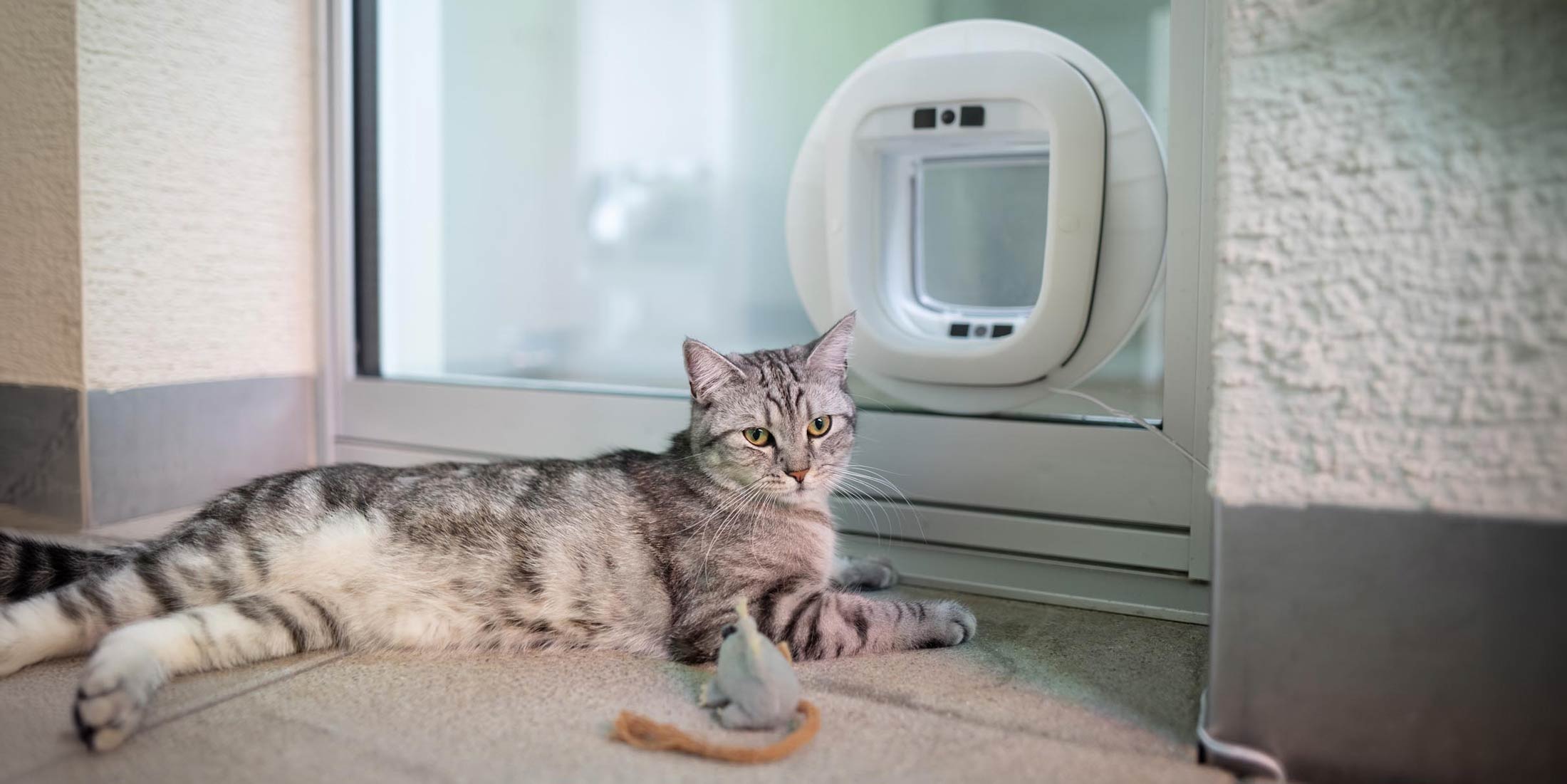
Flappie offers a smart cat flap specifically designed to keep your tabby cat safe and clean. Thanks to its innovative technology, the flap detects if your cat is trying to bring home prey. If so, the flap remains closed, keeping unwanted "gifts" like mice or birds out.
This smart solution helps you keep your home clean while ensuring the safety of your tabby cat. Visit flappiedoors.com To learn more about the advantages of the Flappie cat flap and how you can use it in your home, it's a simple and effective way to make life with your adventurous tabby cat more enjoyable.
Frequently Asked Questions
What breed are tabby cats?
Tabby cats are often referred to as "tabby." However, this is not a specific breed, but rather a coat pattern that can occur in many cat breeds. The Toyger cat breed is an example of a breed that was specifically bred to mimic the appearance of a tiger, including its tabby pattern.

Share:
Kitten Longhair or Shorthair: Which is Better for You?
Top Cat Breeds Mouse Hunters: An Overview