

Did you know that your cat also has anal glands, which can sometimes cause problems?
If these glands are inflamed, it can be very painful for your pet.
Fortunately, there are simple home remedies that can help relieve your cat's discomfort.
This article tells you everything about the function of the anal glands, how to recognize inflammation, how to treat it and how to prevent it in the long term.
Understanding the function of the anal glands in cats
The anal glands in cats are small scent glands located on either side of the anus. These glands produce a special secretion that is released during defecation and serves to mark territory. The function of these glands is therefore primarily communicative, conveying information to other cats about the individual that has marked its territory.
Proper and regular emptying of these glands is essential for a cat's health. If the glands are not emptied correctly, blockages and consequently inflammation can occur. Therefore, it is important to recognize the signs of potential dysfunction early on to avoid health problems.
What is anal gland inflammation in cats?
Anal gland inflammation in cats, also known as anal sac inflammation, occurs when the secretions in the anal glands cannot drain properly. This can be caused by thickening of the secretions, blockage of the gland openings, or anatomical abnormalities in some cats.
The inflammation is often exacerbated by a bacterial infection, which is facilitated by the accumulation of secretions. In rare cases, allergies or tumors can also lead to inflammation of the anal glands. Early detection and treatment are important to avoid further complications.
Recognizing the symptoms of anal gland inflammation
The symptoms of anal gland inflammation in cats can be very pronounced and should not be ignored. Typical signs include:
- Frequent licking of the anal region
- Unusual tail posture
- Problems with defecation
In severe cases, cats may scooting their bottoms along the floor. This is an attempt to relieve itching in the anal area. Redness and swelling around the anus, as well as an unpleasant odor, are also common symptoms.
Diagnosis of anal gland inflammation in cats
The diagnosis of anal gland inflammation usually begins with a thorough examination by the veterinarian. This examination includes a visual inspection of the anal area and careful palpation of the anal glands to identify any lumps or blockages.
Additionally, samples of the discharge can be taken and examined microscopically to determine if a bacterial infection is present. In some cases, an ultrasound examination or biopsy may also be necessary, especially if a tumor or other serious condition is suspected.
Treatment options for inflamed anal glands

Inflamed anal glands can cause significant discomfort in cats. Treatment depends on the severity of the inflammation and includes various methods. Often, the veterinarian will manually express the glands, which may require mild anesthesia to minimize pain for the cat.
In addition to manual expression, anti-inflammatory medications and antibiotics are often used. These medications help control inflammation and fight bacterial infection. In more severe cases, repeated irrigation of the anal glands may be necessary to completely treat the inflammation.
In some cases, especially if the problems become chronic, surgical removal of the anal glands may be considered. However, this is usually a last resort. Regular veterinary checkups and early treatment can help avoid such extreme measures.
Medications and home remedies for anal gland inflammation
In addition to prescribed medications, home remedies can also provide relief from anal gland inflammation. Warm compresses, for example, can help reduce pain and promote healing. Furthermore, a dietary change to a high-fiber diet can improve digestion and thus support the natural emptying of the anal glands.
It is important to note, however, that such home remedies should only be used as a supplement to veterinary treatment. Regular check-ups with the veterinarian are essential to monitor the cat's condition and adjust the treatment if necessary. This helps prevent the symptoms from worsening.
The importance of diet in anal gland problems

Diet plays a crucial role in the prevention and treatment of anal gland problems. A balanced diet rich in fiber can help regulate bowel movements and thus naturally empty the anal glands. It is important that the food is of high quality and does not contain unnecessary additives.
Discuss your cat's diet with your veterinarian to ensure she's getting all the necessary nutrients and to minimize the risk of digestive problems. Sometimes, specific supplements can also be helpful to support digestive health and improve anal gland function.
Long-term prognosis for anal gland inflammation
The long-term prognosis for cats with anal gland inflammation is generally good, provided the inflammation is detected and treated early. Regular veterinary checkups and a prompt response to the first signs of inflammation can help prevent long-term problems.
In chronic cases, especially when caused by more serious conditions such as tumors, the prognosis can be more complicated. In such cases, individually tailored treatment and regular monitoring by a veterinarian are necessary to ensure the cat's well-being.
Prevention of anal gland inflammation in cats
To prevent anal gland inflammation in cats, good hygiene and a balanced diet are crucial. Regular checks of the anal area help to detect early signs of problems.
Additionally, you should make sure your cat doesn't become overweight. Being overweight can increase the risk of anal gland problems. Adequate physical activity also helps promote anal gland health.
Management of chronic anal gland problems
For cats with chronic anal gland problems, regular veterinary checkups are essential. The veterinarian can create an individually tailored treatment plan, which may include medication or dietary changes depending on the severity of the problems.
Also, pay attention to any changes in your cat's behavior that could indicate anal gland problems. Close monitoring and prompt action at the first signs can help better manage chronic conditions and ensure your cat's well-being.
Discover Flappie for better cat care
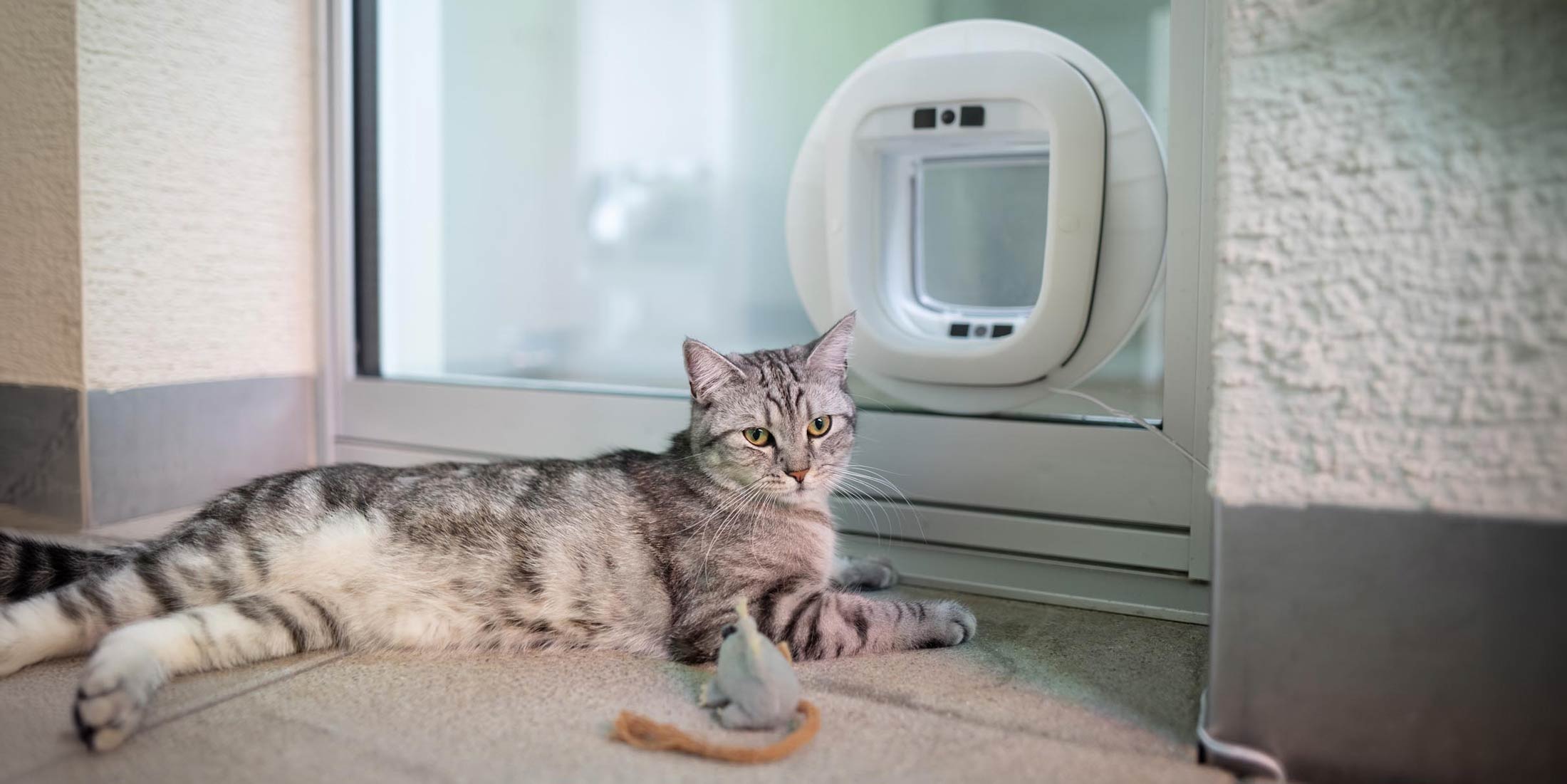
Have you tried the Flappie app yet? This app is a real game-changer for cat care. It allows you to control the smart cat flap from anywhere and gives you insights into your cat's behavior. You'll receive push notifications when your cat tries to come home with prey, and you can even see videos and photos of their adventures.
Flappie 's technology can help you in many ways:
- Monitoring : Keep track of when your cat leaves or enters the house.
- Safety : Prevent your cat from bringing prey home.
- Convenience : Control the cat flap easily via your smartphone. Visit flappiedoors.com , to learn more about this innovative solution and how it can make life easier for you and your cat.
Frequently Asked Questions
What can be done about blocked anal glands in cats?
If your cat's anal glands are blocked, the veterinarian can manually express them. This may require mild anesthesia to minimize pain for the cat. Anti-inflammatory medications and antibiotics may also be used to control inflammation and fight any bacterial infection. In more severe cases, repeated flushing of the anal glands may be necessary. It's important to schedule regular checkups with the veterinarian to monitor your cat's condition and adjust treatment as needed.
What food is suitable for a cat with blocked anal glands?
For impacted anal glands, switching to a high-fiber diet can help improve digestion and support the natural emptying of the anal glands. It's important that the food is high-quality and free of unnecessary additives. Discuss your cat's diet with your veterinarian to ensure she receives all the necessary nutrients and minimize the risk of digestive problems.
Is it possible to express a cat's anal glands yourself?
The blog post recommends that manual expression of the anal glands should be performed by a veterinarian, as this may require mild anesthesia to minimize pain for the cat. It is not recommended to express the anal glands yourself, as this can lead to injury and requires professional treatment.
Why does my cat have a red anus?
A red anus in your cat can be a symptom of anal gland inflammation. Typical signs of inflammation, besides redness, include swelling around the anus and an unpleasant odor. It's important to have your cat examined by a veterinarian to determine the exact cause and begin appropriate treatment.

Share:
Tapeworm Cat Vomiting: Causes and Solutions
Cat Disease Test: A Comprehensive Guide