



Have you noticed that your cat is vomiting unusually and seems unwell?
It could be a sign of tapeworms, a common but serious threat to their health.
If a cat vomits worms, it is often suffering from a severe worm infestation that requires immediate treatment.
This article will tell you everything about the symptoms, routes of infection, treatment options and preventive measures against tapeworms in cats.
Recognizing the symptoms of tapeworms in cats

If your cat is infested with tapeworms, there are certain signs you can look out for. One of the most common symptoms is intense itching around your cat's anus, as the worms and their larvae cause irritation in the intestines. This itching can lead your cat to drag its bottom along the floor more often than usual or to lick its rear end excessively.
Other noticeable symptoms include digestive problems such as diarrhea or a bloated abdomen . These can indicate that the tapeworms are affecting your cat's intestines. Weight loss despite normal feeding is another warning sign, as tapeworms absorb nutrients that should actually benefit your cat. Loss of appetite can also occur if your cat is unwell.
A less obvious, but still possible, symptom of tapeworm infestation is a dull coat . If your cat is no longer grooming itself as much or its coat has lost its shine, this could be a sign of general weakness due to the parasite infestation. It is important to act quickly at these signs and have your cat examined by a veterinarian to confirm the infestation and treat it accordingly.
How do cats become infected with tapeworms?
One of the most common ways cats become infected with tapeworms is through the consumption of infected intermediate hosts. These intermediate hosts can be small rodents such as mice or birds, but fleas also play a significant role. For example, if a cat swallows an infected flea while grooming, it can easily become infected with tapeworms. This is a particular risk for outdoor cats, as they often come into contact with various animals that can act as potential intermediate hosts.
Besides directly consuming intermediate hosts, the risk of tapeworm infection can also be increased by contact with contaminated environments. Places where infected animals defecate can contain tapeworm eggs, which can survive in the soil for extended periods. Cats exploring or playing in these areas can come into contact with the eggs and become infected. Therefore, it is important to monitor your cat's movements and ensure it does not roam in highly contaminated areas.
Treatment options for tapeworm in cats

If you suspect your cat may have tapeworms, the first step is to schedule an appointment with your veterinarian. The vet can make an accurate diagnosis and recommend the appropriate treatment. In most cases, a deworming medication specifically effective against tapeworms will be prescribed. These medications are available in various forms, such as tablets, pastes, or injections.
Treatment with medication is very effective and can be carried out as follows:
- Tablets : These can be given directly into the mouth or mixed into the food.
- Pastes : These are often tasteless and can easily be mixed into the feed.
- Injections : In some cases, the veterinarian can achieve a rapid effect through an injection. This method is often used when the cat does not tolerate oral medication well.
In addition to traditional drug treatments, there are also natural alternatives that can provide support. Some veterinarians recommend complementary natural remedies such as pumpkin seeds or certain herbs, which can help make the environment in the cat's intestines inhospitable to parasites. However, it is important that such alternative treatments are always carried out in consultation with a veterinarian to avoid endangering your cat's health.
Can tapeworms be transmitted from cats to humans?
You might be wondering if tapeworms plaguing your cat can also infect you. The answer is: yes, it's possible, but rather rare. Tapeworms in cats, especially the cat tapeworm (Dipylidium caninum) , can be transmitted to humans if certain hygiene conditions aren't met. This usually happens through contact with infected fleas, which act as intermediate hosts. For example, if you accidentally swallow a flea that came from your cat and is carrying tapeworm eggs, you could become infected.
To protect yourself and your family from tapeworm transmission, there are some simple but important steps you should follow:
- Maintain personal hygiene : Always wash your hands thoroughly with soap after petting or playing with your cat, especially before eating.
- Controlling fleas : Keep your cat free of fleas, as these are often the carriers of tapeworms.
- Regular deworming of your cat : Discuss a suitable deworming schedule with your veterinarian to ensure your cat remains free of tapeworms. These measures help minimize the risk of transmission to humans and ensure the health of both your cat and your family.
Prevention of tapeworms in cats

Preventing tapeworms in cats is crucial for protecting their health. One of the most effective methods is regular deworming . Veterinarians generally recommend that cats be dewormed once or twice a year, depending on their lifestyle and environment. Additionally, it's important to prevent flea infestations, as fleas are often intermediate hosts for tapeworms. This can be achieved through the regular use of flea prevention products, which should be applied to both the cat and its environment.
In addition to medical preventative measures, hygiene plays a crucial role in preventing tapeworms. - Keep the litter box clean : Regularly remove feces and thoroughly clean the litter box to prevent the spread of worm eggs. - Feed your cat properly : Avoid raw meat, as it can often be contaminated with parasites. A balanced diet also strengthens your cat's immune system and makes them more resistant to infections. These simple yet effective steps help minimize the risk of tapeworm infestation and promote your cat's health.
How Flappie can help cat owners prevent worm infestations
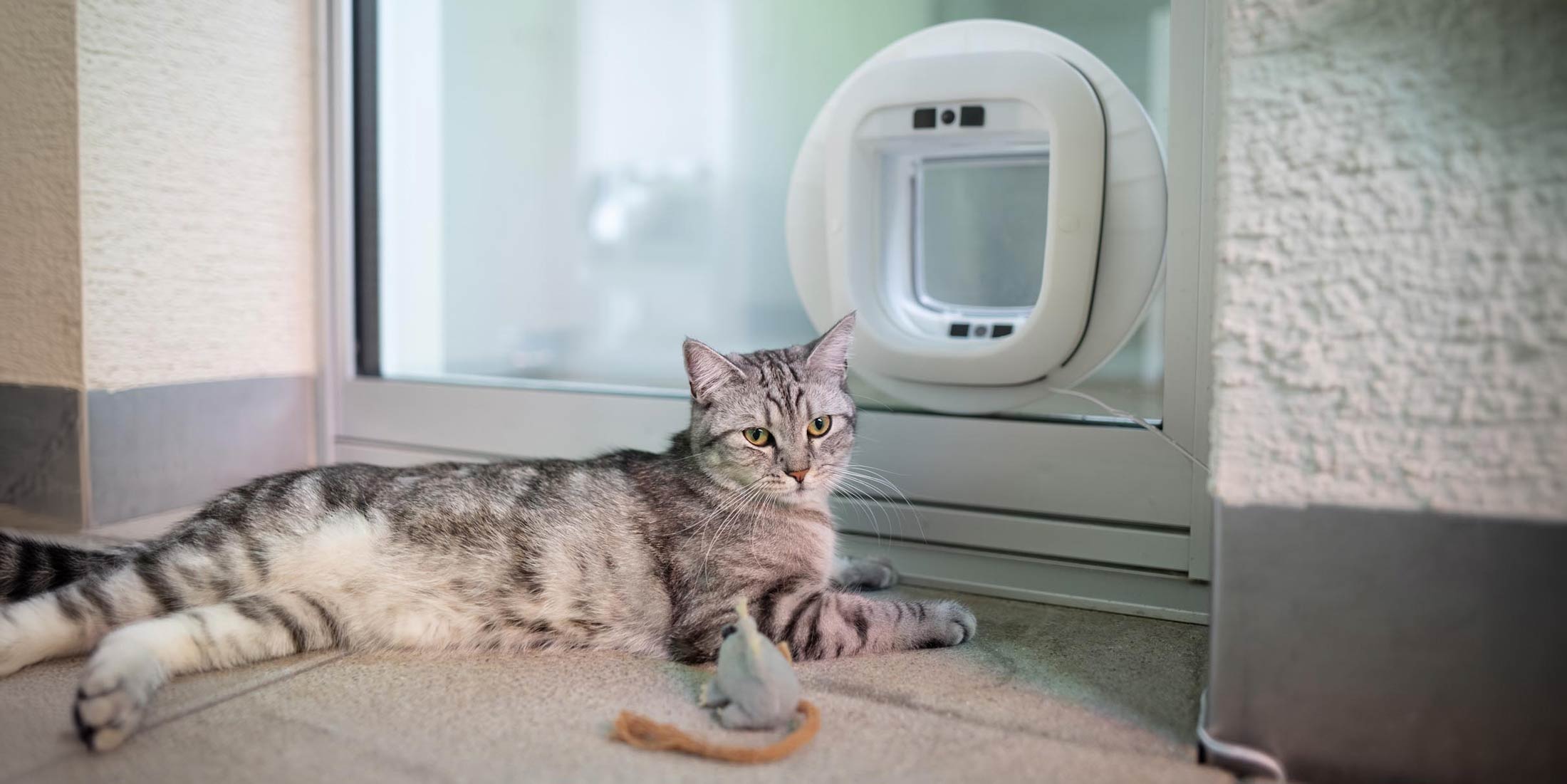
One of the main causes of worm infestation in cats is the consumption of infected prey such as mice or birds. Flappie offers an effective solution: the Flappie smart cat flap prevents cats from bringing prey into the house. This selective access control ensures that potential carriers of worms don't even enter the home in the first place, significantly minimizing the risk of worm infestation. The flap's camera and AI technology reliably detect if the cat has something in its mouth and deny it entry until it leaves the prey outside.
In addition to the physical barrier, the Flappie app offers extra support. It immediately notifies you if your cat tries to bring home prey, allowing you to react quickly and take further measures if necessary. The app also lets you remotely control the cat flap and make adjustments as needed. This gives you complete control and helps keep your cat and your home safe. With Flappie , you have a powerful tool at your fingertips to effectively reduce the risk of worm infestation.
Frequently Asked Questions
What to do if your cat vomits worms?
If your cat is vomiting worms, this is a sign of a severe worm infestation and requires immediate treatment. You should make an appointment with your veterinarian as soon as possible, who can make an accurate diagnosis and recommend the appropriate treatment. In most cases, a deworming medication specifically effective against tapeworms will be prescribed.
How does a tapeworm manifest itself in cats?
A tapeworm infestation in cats can manifest itself through various symptoms. Common signs include severe itching around the anus, digestive problems such as diarrhea or a bloated abdomen, weight loss despite normal feeding, loss of appetite, and a dull coat. These symptoms can indicate that the tapeworms are affecting the cat's intestines.
How do cats behave when they have worms?
Cats infested with worms can exhibit various behavioral changes. Frequent scooting of the bottom along the floor or intense licking of the rear area are signs of itching caused by the worms. Other behavioral changes can include loss of appetite and decreased grooming, which can lead to a dull coat.


Share:
Effective Home Remedies for Cat Eye Inflammation
Effective Anal Gland Cat Home Remedies and Care Tips