



The decision of whether to euthanize a cat in the end stage of chronic kidney disease (CKD) is never easy.
When the bad phases outweigh the good and the cat is visibly suffering, the question arises whether it is time to relieve her of her suffering.
It is recommended to euthanize the cat when the bad phases predominate and there is no hope of improvement.
In this blog post, we will discuss the different stages of renal insufficiency and their impact on the cat's quality of life, as well as present treatment options and diagnostic procedures.
Stages of renal insufficiency and their significance for quality of life
In cats, chronic kidney disease is classified into four stages, each with a different impact on the animal's quality of life. In stage 1, the cat shows no symptoms, and kidney function is only minimally impaired. In stage 2, initial signs such as increased thirst and urination may appear, and kidney values are slightly elevated. These early stages offer the best chance of slowing disease progression and maintaining the cat's quality of life through early intervention.
In stage 3 of kidney failure, the symptoms are more pronounced, including weight loss, loss of appetite, and lethargy. Kidney values are significantly elevated, and a large portion of the kidney tissue is already damaged. In the final stage , stage 4, kidney function is severely impaired, leading to serious symptoms such as vomiting, dehydration, and extreme weakness. At this stage, the cat's life expectancy is greatly reduced, and the decision for palliative care or euthanasia often needs to be considered.
Recognizable symptoms of kidney failure in cats
The symptoms of kidney failure in cats can begin subtly and are often only noticed when the disease is already advanced. Early signs include increased thirst and more frequent urination . These symptoms are important to pay attention to, as they can be the first indications of possible kidney disease.
As kidney failure progresses, further symptoms appear that impair the cat's quality of life. These include:
- Weight loss and reduced appetite
- Dull, rough coat and dandruff
- Bad breath and nausea
These symptoms should prompt an immediate visit to the veterinarian to allow for proper diagnosis and treatment.
Causes of kidney failure in cats
The causes of kidney failure in cats are varied and can include both acute and chronic conditions. The most common causes include:
- Poisoning from harmful substances such as plants or chemicals
- Infections of the kidneys or urinary tract
- Chronic diseases such as diabetes or high blood pressure
These factors can lead to damage to the kidney tissue, which often develops gradually and is only noticed when a significant portion of kidney function has been lost.
In addition to the causes mentioned above , genetic factors or congenital malformations of the kidneys can also play a role. Since kidney damage often only becomes apparent after years, it is crucial to have older cats examined by a veterinarian regularly in order to detect and treat signs of kidney failure early.
Treatment options for cats with kidney failure
The treatment of cats with kidney failure aims to alleviate symptoms and slow the progression of the disease. Early and appropriate treatment can significantly improve the cat's quality of life and even extend its lifespan. Various treatment options are available, depending on the stage of the disease and the individual cat's condition.
Drug therapies play a crucial role in the treatment of kidney failure, particularly in controlling accompanying symptoms such as high blood pressure and anemia. Additionally, a special renal diet can help reduce the burden on the kidneys and decrease the accumulation of toxins in the body. This combination of medication and dietary adjustments often forms the basis of treatment for cats with kidney disease.
In addition to medication and diet, regular veterinary checkups can help monitor a cat's health. The veterinarian can adjust the treatment if the cat's condition changes. It is important for cat owners to work closely with their veterinarian to achieve the best possible results.
Drug therapies for cats with kidney failure
Drug treatment for cats with kidney failure involves various medications specifically designed to control symptoms and associated conditions. These include antihypertensives, phosphate binders, and medications that stimulate red blood cell production. These medications help stabilize blood pressure, lower blood phosphate levels, and treat anemia.
It is important that all medications are administered under veterinary supervision to minimize side effects and maximize effectiveness. The veterinarian will decide which medications are most suitable and for how long based on regular blood tests and the cat's overall health.
Dietary adjustments for cats with kidney failure

A tailored diet is crucial for managing cats with kidney failure. The food should be low in phosphorus and contain a moderate amount of high-quality protein to ease the burden on the kidneys. Additionally, it is important that the food is high in calories to meet the energy needs of these often poor-tasting cats.
Wet food is generally better than dry food, as it helps increase fluid intake and supports kidney function. Cat owners should also ensure that fresh water is always available. Any change in diet should always be gradual and under veterinary supervision to ensure acceptance of the new food and to avoid digestive problems.
Diagnostic procedures for kidney failure in cats
To determine the stage of kidney failure in cats, several diagnostic procedures are necessary. First, the veterinarian performs a blood test to measure kidney values such as creatinine and urea. These values indicate how well the kidneys filter waste products from the blood. Another important test is measuring the SDMA level, which can indicate changes in kidney function even before other values become abnormal. Additionally, a urinalysis is often performed to check the urine concentration and look for protein or blood, which can provide further clues about kidney damage.
In addition to blood and urine tests, the veterinarian may also use imaging techniques such as ultrasound to assess the size and structure of the kidneys. These examinations help detect physical changes such as shrinkage or tissue alterations. In some cases, a kidney biopsy may also be necessary to analyze tissue samples and identify the exact cause of the kidney damage. These diagnostic methods are crucial for determining the correct stage of kidney failure and initiating appropriate treatment.
How Flappie can help you monitor your cat's health
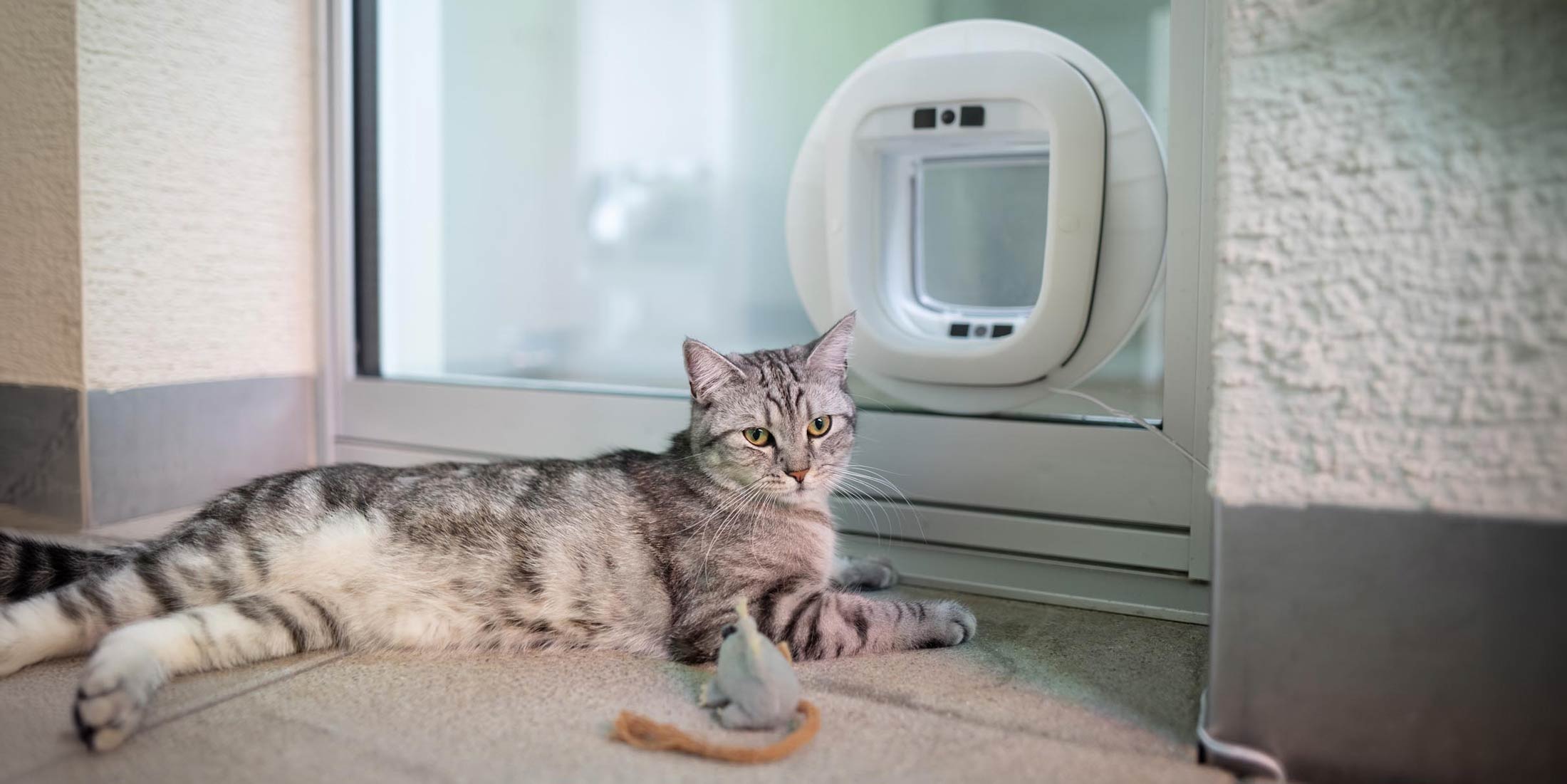
Flappie offers you an innovative way to constantly monitor your cat's health. Equipped with a camera and artificial intelligence, this smart cat flap not only detects if your cat is trying to bring home prey, but also if it's exhibiting unusual behavior that could indicate health problems. This technology allows you to act proactively before serious issues arise. Through the Flappie app, you receive:
- Notifications when something unusual happens.
- Videos and photos of your cat to help you monitor its behavior.
- Statistics and analyses about your cat's activities, giving you a deeper insight into its well-being.
Using the Flappie app can help you detect early signs of illness in your cat. This is especially important for conditions like chronic kidney disease, where early intervention can be crucial. The app allows you to control your cat's movements and ensure they aren't exposed to unnecessary risks. Visit https://flappie.ch now to learn more about how Flappie can effectively monitor your cat's health and help them live a long, healthy life. Remember, good health monitoring can not only improve your cat's quality of life but also prevent or postpone difficult decisions like euthanasia.
Frequently Asked Questions
When should a cat with kidney failure be euthanized?
A cat should be euthanized when the adverse phases outweigh the positive ones and there is no hope of improvement. This is often the case in the end stage of kidney failure, when the cat is suffering greatly from symptoms such as vomiting, dehydration, and extreme weakness.
How do I know when it's time to have my cat put down?
It's time to consider euthanasia if your cat has more bad days than good and is clearly suffering from her illness. Symptoms such as severe vomiting, dehydration, loss of appetite, and a general feeling of weakness are indicators that her quality of life is severely impaired.
When should a cat with kidney disease be euthanized?
A cat with kidney disease should be euthanized when it is in the end stage of the disease and the adverse phases outweigh the favorable phases, with no prospect of improvement. This includes persistent symptoms such as vomiting, dehydration, and extreme weakness.
How long should a cat with kidney failure be allowed to live?
The decision of how long a cat with kidney failure should live depends heavily on its quality of life and the progression of the disease. As long as the cat has a good quality of life with appropriate treatment and diet, it can live for some time. However, if the suffering becomes overwhelming, euthanasia should be considered.

Share:
Jaundice in cats: causes, symptoms and treatment
Cat food with a high crude fiber content: Insight and tips