

Have you noticed that your cat has yellowish eyes or skin?
These symptoms could indicate jaundice, a serious condition that requires immediate attention.
Jaundice in cats is caused by various underlying diseases, including liver problems, metabolic disorders, and infections.
This blog will tell you everything about the causes, symptoms, diagnostic methods and treatment options for jaundice in cats, as well as tips for prevention and nutritional recommendations to support your cat's health.
Causes of jaundice in cats

Jaundice in cats, also known as icterus, is a symptom that can indicate various underlying diseases. The most common causes are problems with the liver or bile ducts. For example , liver inflammation (hepatitis) or fatty liver (hepatic lipidosis) can impair normal liver function and lead to jaundice. Infections that directly affect the liver can also play a role.
Besides liver disease, there are other causes of jaundice in cats. These include genetic factors that can lead to an increased susceptibility to certain diseases, or the breakdown of red blood cells, which leads to an accumulation of bilirubin in the blood. Toxins, ingested, for example, through polluted environments or poisonous plants, can also trigger jaundice. This variety of causes makes it essential to act quickly and consult a veterinarian at the first sign of jaundice.
Recognizing the symptoms of jaundice in cats

If your cat is suffering from jaundice, one of the most noticeable signs is the yellowing of the skin and mucous membranes . This change is particularly visible around the eyes, where the white sclera takes on a yellowish hue. However, this yellowing can also be seen in other areas, such as the palate and the skin beneath the fur.
Besides the yellowing, there are other symptoms that can indicate jaundice:
- Loss of appetite , which often leads to weight loss
- Fatigue and reduced activity indicate that the cat is not feeling well.
These symptoms can vary depending on the underlying cause of the jaundice.
Diagnosis of jaundice in cats
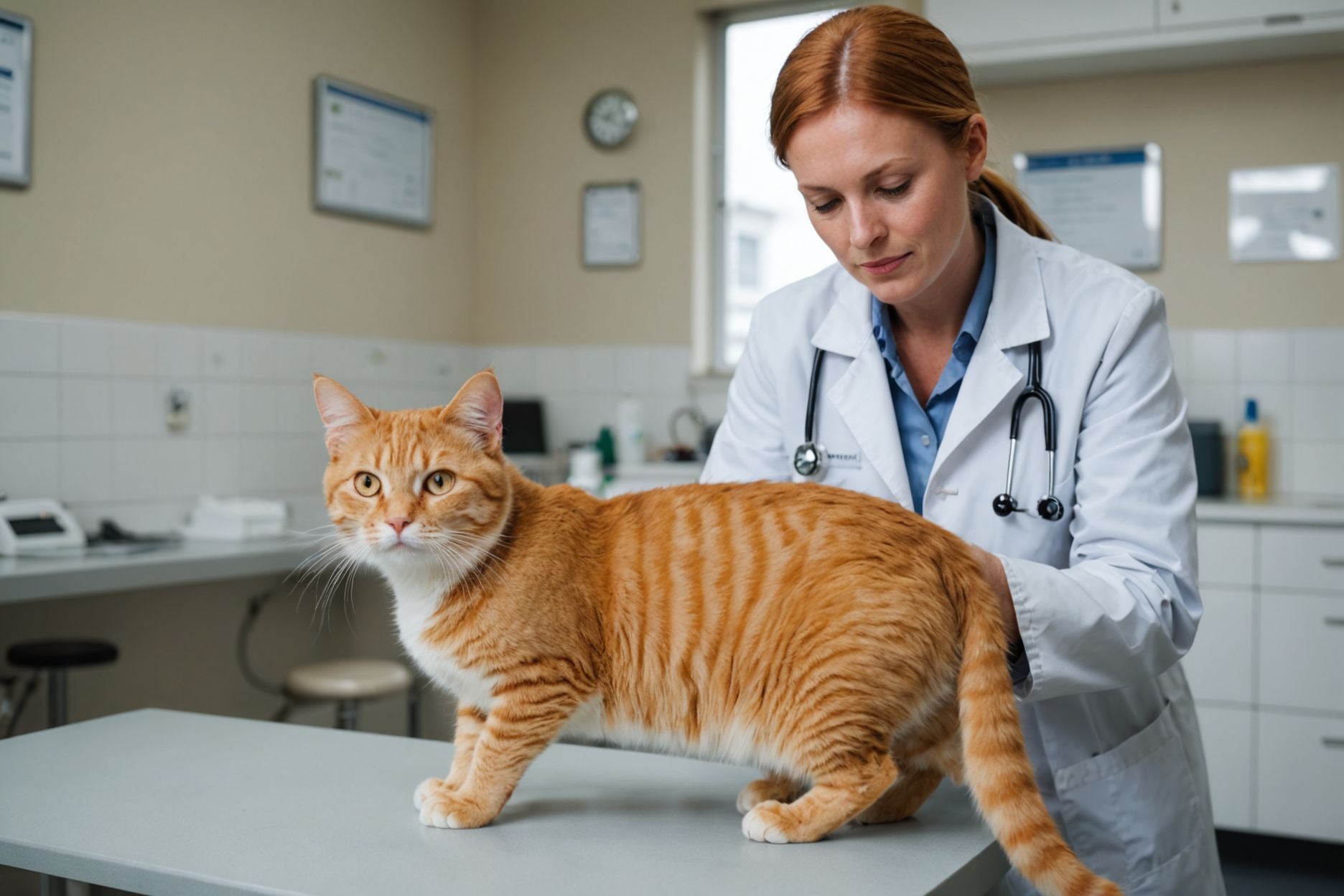
The diagnosis of jaundice in cats often begins with a visual examination , during which the veterinarian looks for yellowing of the mucous membranes, skin, or eyes. This discoloration is a clear sign of jaundice. To determine the underlying causes more precisely, the veterinarian will usually perform a blood test . This helps assess liver health and identify other possible causes, such as infections or blood disorders.
Additional specific tests may be necessary to refine the diagnosis:
- Liver function tests in the blood provide information about the function and condition of the liver.
- An ultrasound of the liver can help identify physical abnormalities such as tumors or cysts.
These examinations are crucial in order to initiate the correct treatment and to support your cat's health in the best possible way.
Treatment options for cats with jaundice

If your cat has jaundice, it's important to act quickly. Treatment depends on the underlying cause. Often, medications like antibiotics are used to fight infections. In cases of inflammation of the liver or bile ducts, glucocorticoids such as cortisone may also be prescribed. These help reduce inflammation and support liver function.
In some cases, a change in diet may be necessary, especially if your cat has a fatty liver. Special dietary foods that are low in fat can help relieve the burden on the liver and improve its function. Here are some points to consider when choosing food:
- Avoid high-fat foods
- Prefer easily digestible proteins.
- Include liver-supporting nutrients such as milk thistle or artichoke.
In more severe cases, when the liver is severely damaged, surgical intervention may be necessary. This could involve surgery to open blocked bile ducts or remove damaged tissue. However, such procedures are specific and are only performed when absolutely necessary to save the affected cat's life. It is crucial that you work closely with your veterinarian to plan the best treatment for your cat.
Prevention of jaundice in cats
Although it's often difficult to completely prevent jaundice in cats, there are some preventative measures you can take to minimize the risk of liver disease. One of the most important is controlling your cat's weight . Being overweight can lead to fatty liver disease, which is a common cause of jaundice. Make sure your cat has a balanced diet and avoid feeding them too many treats or human food.
In addition to weight management, you can also consider certain dietary supplements that support liver function. Here are some examples:
- Milk thistle : Known for its liver-protective effect
- Dandelion : Promotes the excretory function of the liver
- Artichoke : Supports liver detoxification
However, it is important that you only give these supplements after consulting your veterinarian to ensure the correct dosage and application.
Prognosis for cats with jaundice

The prognosis for cats suffering from jaundice depends heavily on the underlying cause and the timing of the diagnosis. If jaundice is detected and treated early, the chances of recovery are generally good. However, a delayed diagnosis can lead to permanent damage that may reduce the cat's life expectancy.
The life expectancy of a cat suffering from jaundice can vary:
- In cases of mild liver inflammation or easily treatable causes, the cat can make a full recovery.
- However, more serious illnesses such as advanced liver damage can lead to a reduced quality of life or, in the worst case, to death.
Nutritional recommendations for cats with jaundice
If your cat is suffering from jaundice, a tailored diet is very important to relieve the strain on its liver and support recovery. It's advisable to use easily digestible proteins such as cooked chicken or turkey, as these are easier on the liver. High-fat foods should be avoided to prevent further stress on the liver. The following foods may be helpful instead:
- Cooked chicken or turkey meat
- Cottage cheese in small quantities
- Cooked fish such as cod or haddock
Besides choosing the right proteins, it's also important that your cat's diet remains balanced and contains all the necessary nutrients. Supplements like milk thistle can further help protect the liver and promote its regenerative capacity. However, it's essential to discuss any dietary changes or supplements with a veterinarian first to ensure they are suitable for your cat's specific health condition. Here are some tips on how to supplement your cat's diet:
- Supplement your diet with milk thistle for a liver-protective effect.
- Make sure that the food is low in fat and contains sufficient vitamins and minerals.
- Offer small, frequent meals to ease digestion and stimulate appetite.
Support your cat's health with Flappie
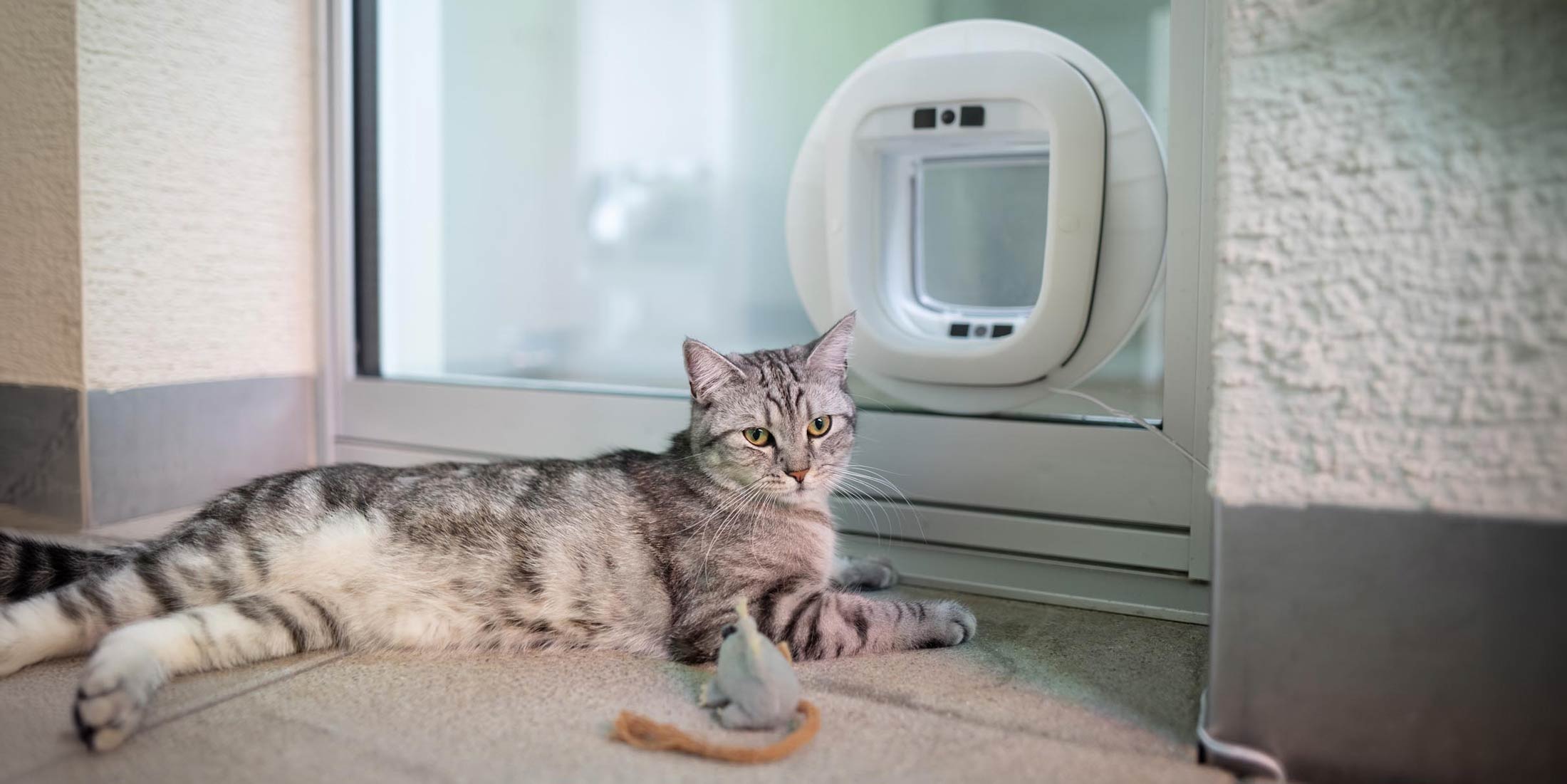
Flappie's smart cat flap is a fantastic way to support your cat's health. By preventing your cat from bringing sick prey like birds or mice into the house, it helps avoid additional stress and potential health risks. This is especially important if your cat already has health problems, such as jaundice.
The advantages of the Flappie cat flap are numerous:
- Selective access control : Prevents cats from entering the house with prey.
- Prey detection : A camera with AI technology reliably identifies prey animals.
- Flappie App : Allows you to control the cat flap from anywhere and keeps you updated with push notifications, videos, and statistics. These features help increase your cat's well-being and ensure a clean, stress-free home.
Frequently Asked Questions
Why do cats get jaundice?
Cats can develop jaundice for various reasons. The most common causes are problems with the liver or bile ducts, such as hepatitis (inflammation of the liver) or fatty liver (hepatic lipidosis). The breakdown of red blood cells, genetic factors, infections, or the ingestion of toxins can also lead to a buildup of bilirubin in the blood and trigger jaundice.
How do you treat jaundice in cats?
The treatment of jaundice in cats depends on the underlying cause. Medications such as antibiotics are often used to combat infections. In cases of inflammation of the liver or bile ducts, glucocorticoids such as cortisone may be prescribed. In some cases, a change in diet is also necessary, and in more severe cases, surgical intervention may be required. It is important to work closely with a veterinarian to determine the best course of treatment.
What should you feed a cat with jaundice?
When dealing with jaundice, a tailored diet is important to relieve the burden on the liver. It is recommended to use easily digestible proteins such as cooked chicken or turkey and to avoid high-fat foods. Small amounts of cottage cheese or cooked fish such as cod or haddock can also be helpful. Supplements like milk thistle can protect the liver and promote its regenerative capacity. However, any dietary changes should first be discussed with a veterinarian.

Share:
CNI Cat Stage 4 - Is Euthanasia Necessary?