



Have you ever wondered if wolves could pose a danger to your cat?
The worry that a wolf could attack their beloved cat concerns many cat owners, especially in areas where wolves are present.
Yes, wolves may occasionally eat cats, especially when they are hungry and no other food sources are available.
In this blog post you will learn more about the circumstances under which wolves consider cats as prey, the behavior of wolves towards cats, and practical protective measures for cat owners.
When do wolves eat cats? Opportunity makes thieves.

Wolves are opportunistic predators that feed on a variety of animals to survive. However, they typically hunt larger prey such as deer or wild boar. Opportunity plays a crucial role in whether a wolf considers a cat as a food source. In areas where natural prey is scarce, or when a wolf is particularly hungry, a cat might become an option. This, however, is the exception rather than the rule.
The proximity of wolves to human settlements increases the risk of such encounters. If cats roam far from their homes, especially at dusk or at night when wolves are more active, the likelihood of such an encounter rises. It is important to understand that wolves hunt their prey not out of malice, but out of an instinctual need.
Wolf behavior towards cats and dogs
Wolves and dogs, although both belong to the Canidae family, exhibit marked differences in their behavior towards cats. While domestic dogs often live alongside cats and can become accustomed to their presence, wolves are wild predators that react to movement and potential prey. Their interaction with cats is therefore mostly shaped by the lens of foraging.
Unlike dogs, which have learned to control their hunting instincts, wolves follow their natural drives. This means:
- Wolves may view cats as potential prey, especially in situations where their usual food sources are limited.
- They use their highly developed senses to detect and track cats, which can lead to hunting behavior in the wild.
When the wolf chases the cat: A scenario

Imagine a scenario in which a wolf is stalking a cat near a human settlement. The cat, accustomed to the freedom of roaming outdoors, is unaware of the dangers such a predator can pose. The wolf, attracted by the cat's movements, could act on its natural hunting instincts.
In this scenario, the wolf would likely take the following steps:
- Exploration and approach to identify prey.
- A quick, targeted attack if the cat is within reach and not attentive enough.
- Retreat if the cat is too agile or if human activities frighten it.
Are wolves really cat killers?
Calling wolves "cat killers" is a gross exaggeration and doesn't reflect their natural behavior. Wolves hunt to survive, and their prey selection is based on availability and necessity. Cats are not usually their preferred prey.
It is important to consider the following points:
- Wolves typically only resort to cats as a food source when other, easier-to-catch and more nutritious prey is unavailable.
- The occasional hunting of cats by wolves should not lead to these animals being demonized or viewed as pests.
Protective measures for cat owners against wolves

If you live in an area where wolves are present, it's important to take precautions to protect your cat. The simplest and most effective method is to keep your cat indoors. This prevents it from venturing outside on its own and potentially encountering wolves.
For cats accustomed to going outdoors, you can take the following measures: Create a securely fenced area where your cat can move freely without being able to leave the premises. Additionally, bright outdoor lighting can help keep wolves away at night. Here are some tips:
- Install a sturdy fence that is anchored deep enough in the ground to prevent digging underneath.
- Use surveillance cameras to keep an eye on the area around your house.
Livestock protection: A necessity in wolf-rich areas

In areas with a high wolf population, livestock protection is crucial not only for farm animals but also for pets like cats. The use of livestock guardian dogs and secure fences effectively protects pets from potential attacks. These measures offer robust protection that minimizes the risk of encounters with wolves.
The use of technical aids such as electrified fences or surveillance cameras can also contribute to security. It is important that such protective measures are implemented proactively before an incident occurs. Here are some practical measures:
- Use electrified fences that provide a physical barrier while also acting as a deterrent.
- Use livestock guardian dogs that are specially trained to protect your property and pets.
Farmer counters wolf accusations: Protective measures under scrutiny
A farmer from a wolf-populated area is facing criticism, with claims that her animals attract wolves and therefore pose a danger. She denies these accusations, emphasizing that her protective measures have been thoroughly reviewed and adjusted to safeguard both her livestock and the local wolf population.
The farmer explains that she has implemented the following measures:
- Use of livestock guardian dogs that are specially trained to guard the flock and keep wolves away naturally.
- Installation of electrified fences that form a physical barrier and also serve as a deterrent.
She emphasizes that these measures effectively help to minimize conflicts between her agriculture and the wolves.
Safety for your cat with Flappie's intelligent technology

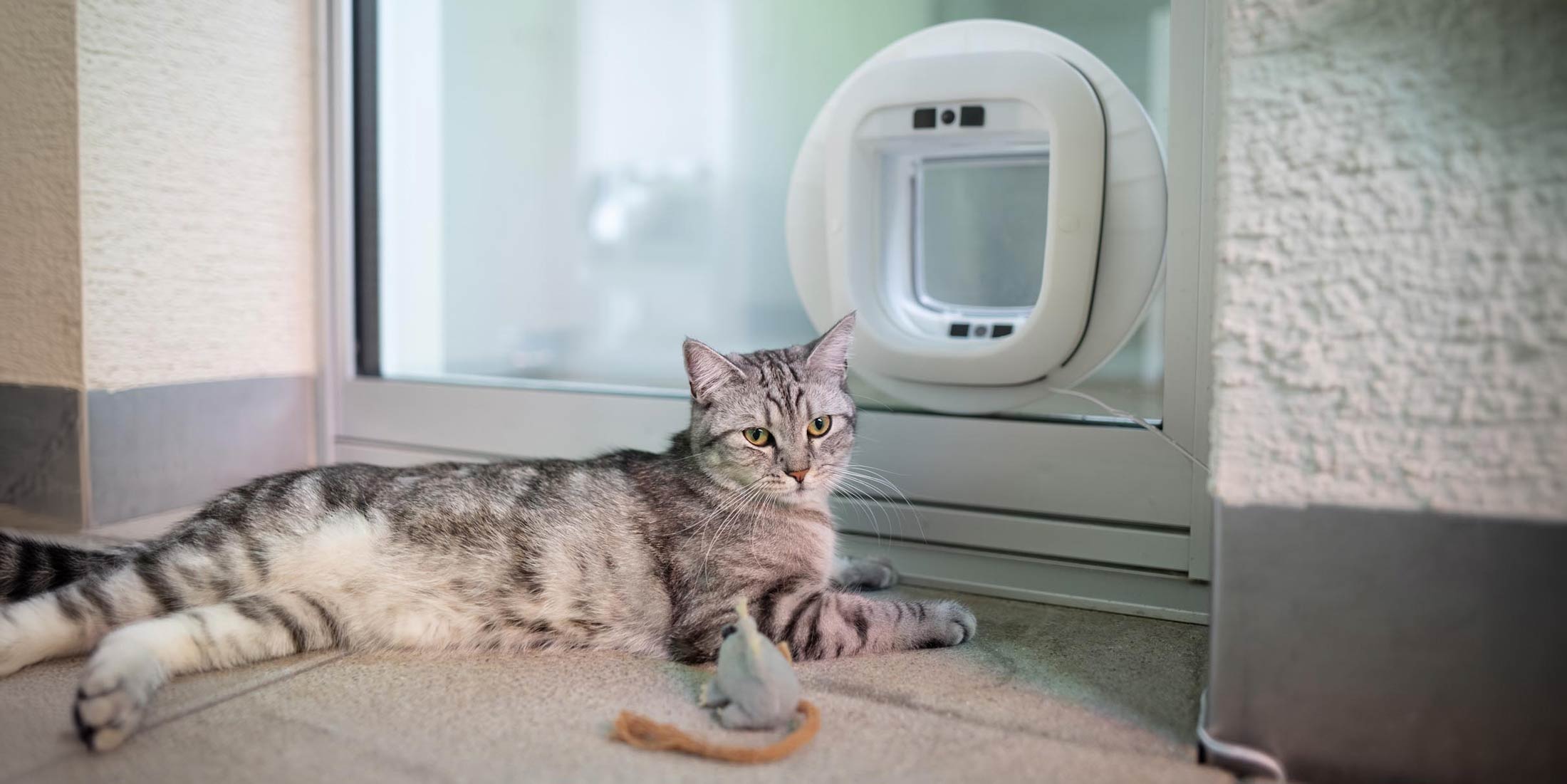
Flappie 's smart cat flap offers a revolutionary solution for cat owners concerned about their pets' safety. Thanks to its innovative technology, the flap can detect whether your cat is returning home alone or with prey. This prevents unwanted guests like mice or birds from entering your home, keeping it clean and secure.
Use the Flappie app to control the cat flap from anywhere and stay informed at all times:
- Receive real-time notifications when your cat uses the flap.
- Manage settings and access rights conveniently from your smartphone.
- Enjoy the opportunity to receive photos and videos of your cat, giving you an exciting glimpse into its life outside the home.
Frequently Asked Questions
Is the wolf a danger to cats?
Yes, wolves can occasionally pose a danger to cats, especially when they are hungry and no other food sources are available. In areas where natural prey is scarce, a cat can indeed become an option for wolves. However, this is the exception rather than the rule.
What animals does the wolf eat?
Wolves are opportunistic predators that feed on a variety of animals. They typically hunt larger prey such as deer or wild boar. In certain situations, especially when their usual food sources are limited, they may also consider cats as a food source.


Share:
Understanding Cat Behavior and Prey Gifts: A Guide
How old do British Longhair cats get? Info & Tips