

Have you ever wondered how old British Longhair cats can actually get?
It is important that you know your cat's life expectancy in order to provide the best possible care.
British Longhair cats have an average lifespan of 14 to 18 years.
In this blog post you will learn everything about the lifespan of British Longhair cats and receive valuable tips on how you can improve and extend your cat's life.
The origins of British Longhair cats
The British Longhair cat, a popular and highly regarded breed, has its roots firmly planted in the history of the British Shorthair. Originally developed out of the need to expand the British Shorthair gene pool after the World Wars, Persian cats were introduced. This led to the creation of the British Longhair through the recessive longhair gene, which was present in many British Shorthair cats. This historic crossbreeding not only increased genetic diversity but also gave rise to a new, distinct breed.
The British Longhair was not recognized as a distinct breed for a long time, and its longhaired kittens were often excluded from breeding. Over time, however, more and more cat lovers came to appreciate its characteristic long fur and gentle nature, leading to its gradual recognition by major cat associations. Today, the breeding standards for the British Longhair are the same as those for the British Shorthair, with the exception of coat length. Its history reflects the adaptability and changing preferences of cat breeders and enthusiasts.
The characteristic appearance of British Longhair cats

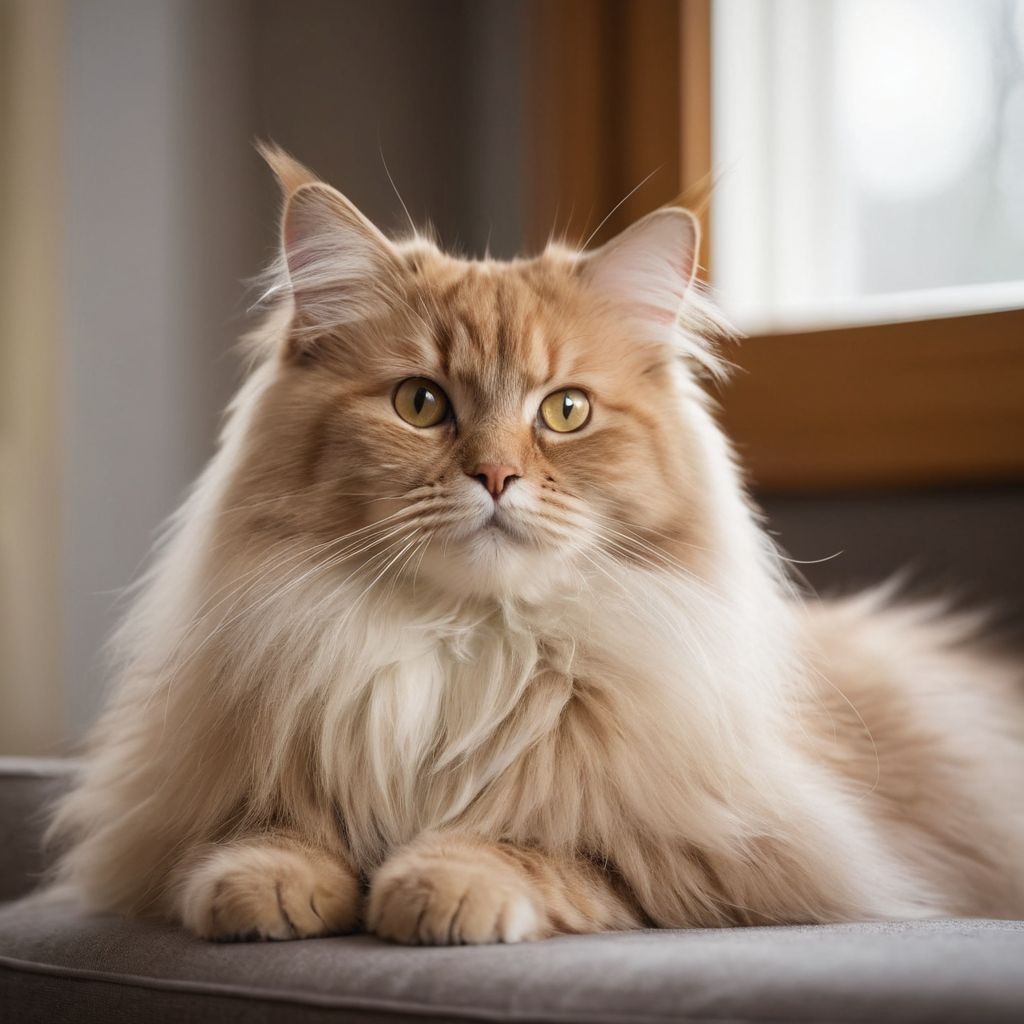
The British Longhair cat has a distinctive and impressive appearance. This breed is characterized by a dense, silky coat that comes in a wide variety of colors. Solid black and white cats are particularly common, but multicolored and spotted patterns are also not unusual. The coat is medium-length and has a rich undercoat that gives it its characteristic fluffy look.
The British Longhair has a strong and muscular build, giving it a robust appearance. Its head is large and round, with medium-sized, wide-set ears. The eyes are large and can be blue, green, or copper in color. The tail and legs are medium-length and sturdy, reflecting its powerful physique. This striking appearance makes the British Longhair an impressive addition to any cat lover's home.
The character of British Longhair cats
British Longhair cats are known for their even-tempered and friendly nature. They are less vocal than other breeds, making them ideal companions for quieter homes. Their voices are soft, and they rarely meow, which makes them particularly pleasant to handle. These cats are very affectionate and enjoy the company of their humans as well as other pets.
Despite their calm nature, British Longhair cats are quite playful and intelligent. They quickly form a close bond with their owners and often show their affection through cuddling and playing together. Their adaptability makes them ideal pets for families with children as well as for older people. However, their tendency to become overweight is something that requires special attention to their diet and exercise.
Care instructions for British Longhair cats

The dense, long coat of British Longhair cats requires regular attention to prevent matting and knots. Daily brushing is recommended, especially during shedding season. Brushes with long and short teeth, as well as a soft wire brush or a plastic brush with nubs, are best suited for grooming the dense undercoat.
Grooming should always begin with gentle strokes to calm the cat. Start at the head and work your way down to the tail, paying particular attention to brushing the flanks and underside. For cats that dislike brushing, a special hair conditioner can help with detangling. Regular grooming not only keeps the coat beautiful and healthy but also strengthens the bond between cat and owner.
Health of British Longhair cats
The health of British Longhair cats is an important concern for all cat owners. This breed can be prone to certain genetic conditions, such as hypertrophic cardiomyopathy and polycystic kidney disease. It is crucial that owners of this breed are aware that early diagnosis and treatment can significantly improve the cat's well-being. Regular veterinary visits to detect these and other health issues early are therefore essential.
Besides being prone to breed-specific diseases, British Longhair cats are also known for their robust health when well cared for and fed. To promote their health, cat owners should ensure a balanced diet, regular vaccinations, and parasite checks. Good preventative care can help your British Longhair cat live a long, healthy, and happy life.
The right diet for British Longhair cats

A balanced diet is crucial for the health of British Longhair cats. This breed requires a diet rich in protein and low in fat. It's important to find a good balance between wet and dry food, as wet food contributes to hydration and dry food can be beneficial for dental health.
Essential nutrients that must not be lacking include vitamins, minerals, and antioxidants. The following points should be considered when feeding:
- High-quality protein : Meat should be listed first in the ingredient list.
- Fats and oils : They provide energy and promote a healthy coat.
- Carbohydrates : Should be present in moderate amounts to avoid obesity.
Proper nutrition not only supports your cat's overall health but also its well-being.
Breeding of British Longhair cats
The breeding of British Longhair cats should always be done with the health and well-being of the animals in mind. It is important to choose a reputable breeder who prioritizes the health of the cats and conducts genetic testing. A good breeder will always be willing to show potential buyers the health certificates of the parent cats and provide information about the lineage.
Here are some tips on how to recognize a responsible breeder:
- Reputation : Look for reviews and ask at local cat clubs.
- Transparency : A reputable breeder has no secrets regarding breeding practices and the health of the animals.
- Aftercare : Good breeders offer support and advice even after the purchase.
These points will help you find a breeder who prioritizes the well-being of the cats.
Cost and price overview for British Longhair cats
Purchasing a British Longhair cat can be a significant financial investment. Costs can vary depending on the breeder, geographical location, and the rarity of the coat color. On average, kittens of this breed cost between €600 and €1200. You should also factor in the cost of initial supplies such as a cat bed, scratching post, and toys.
In addition to the purchase costs, there are also ongoing expenses that should not be underestimated:
- Feed costs : Depending on the quality and quantity of feed, these can amount to approximately 50 euros per month.
- Veterinary costs : Regular vaccinations and health checks are necessary and can cost up to 100 euros per year.
- Insurance : Health insurance for cats can also be useful to be covered in case of major health problems.
This information gives you an overview of the financial aspects associated with owning a British Longhair cat.
Improve the life of your British Longhair cat with Flappie
The Flappie smart cat flap not only gives your cat the freedom to come and go as it pleases, but it also ensures that no unwanted "gifts" like mice or birds are brought into the house. This is achieved through state-of-the-art prey detection using a camera and artificial intelligence. The advantages of this technology are numerous:
- Selective access control prevents prey animals from entering the house.
- Prey recognition via AI identifies whether your cat is alone or with prey at the door.
- Notifications and remote control via the Flappie app give you the control and security to know what's happening at your front door at any time.
Using the Flappie app perfectly complements the smart cat flap's features, allowing you to monitor and control your British Longhair cat's activities even when you're not home. You'll receive push notifications whenever your cat uses the flap and can even view videos and photos of their adventures. This not only fosters a closer bond between you and your cat but also gives you a reassuring sense of security and control. Here are some highlights of the Flappie app:
- Real-time notifications instantly inform you about your cat's going in and out.
- Video and photo functions allow you to capture and share special moments of your cat.
- Individual settings offer the possibility to configure and control the flap according to your needs.
Visit flappiedoors.com to learn more about how you can improve the life of your British Longhair cat with Flappie .
Frequently Asked Questions
Are British Longhaired Pointers affectionate?
Yes, British Longhair cats are known for their even-tempered and friendly nature. They are very affectionate and enjoy the company of their humans. They often show their affection through cuddling and playing together.
Can a British Longhair cat be kept alone?
British Longhair cats enjoy the company of their humans and other pets. They are adaptable and can also be happy as the only pet, as long as they receive enough attention and love from their owners.
What do British Longhair cats like?
British Longhair cats enjoy cuddling and playing. They also appreciate a calm and loving environment. When it comes to food, they prefer a balanced diet that is high in protein and low in fat.
How old can long-haired cats get?
British Longhair cats have an average lifespan of 14 to 18 years.

Share:
Do Wolves Eat Cats? A Comprehensive Guide
How old will my cat live? A comprehensive guide