


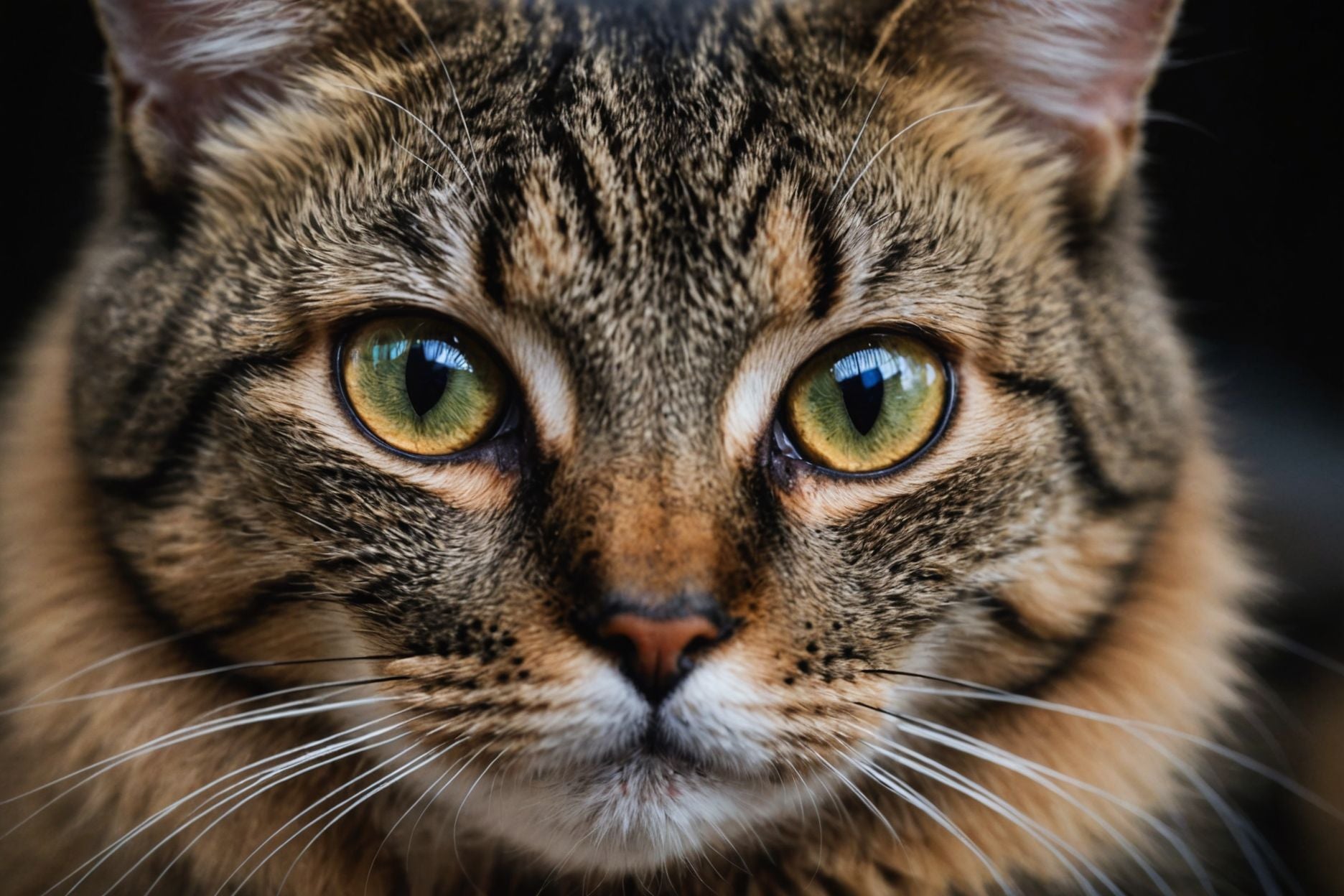
Have you ever wondered if it's healthy for your cat to eat mice?
Many cat owners are worried that their pets could contract diseases or parasites by eating mice.
A healthy, fully vaccinated cat will not normally get sick from eating mice, but may contract worms.
In our blog you can learn more about the health risks of eating mice, the hunting instinct of cats and how you can prevent your cat from eating mice.
Health risks associated with cats eating mice

The natural behavior of cats to hunt and eat mice carries certain health risks. Outdoor cats that indulge their hunting instincts can contract various diseases and parasites by eating mice. These can range from harmless worms to dangerous pathogens that can be threatening to both cats and humans.
Among the most common risks is the transmission of parasites such as tapeworms and lungworms, which enter a cat's body through the consumption of infected mice. Symptoms of such infections can range from diarrhea and vomiting to severe respiratory problems. It is therefore important that cat owners deworm their animals regularly and watch for signs of illness.
Besides parasites, mice can also carry diseases such as toxoplasmosis, which are transmissible to humans. This poses a particular risk to pregnant women and immunocompromised individuals. Cat owners should therefore take precautions to minimize their cats' contact with potentially infected rodents.
Are mouse bones dangerous for cats?
Mouse bones do not usually pose a danger to cats, as their digestive system is designed to process small bones. The risk of choking is low, since cats generally dismember their prey expertly and spit out indigestible parts such as fur and larger bones.
Tapeworm – A danger when eating mice

Tapeworms, specifically the cat tapeworm ( Taenia taeniaeformis ), are a common threat to cats that eat mice. These parasites can grow up to 60 centimeters long in a cat's small intestine and cause symptoms such as weight loss and diarrhea. Regular deworming and fecal examinations are essential to protect the cat's health and prevent transmission to humans.
The hunting instinct of cats explained

Cats are not just cute pets, but also natural hunters. Their hunting instinct is deeply ingrained in their nature and plays a central role in their behavior. This instinct is so strong that it even manifests in cats that are regularly fed and live in a safe home. Hunting is more than just a source of food for cats; it's a fundamental behavior that also contributes to their physical and mental well-being. Hunting helps cats sharpen their senses and provides a necessary form of exercise and mental stimulation.
A cat's hunting behavior can be triggered by various stimuli, including movement, sounds, and the visual perception of prey. Once a cat notices potential prey, several behaviors are activated:
- Stalking: The cat approaches its prey quietly and deliberately.
- Lurking: She observes and waits for the right moment to attack.
- Attack: Fast and precise movements to catch prey.
This behavioral pattern is essential for the survival of cats in the wild and is also retained in domestic cats. It is important to understand that this behavior is natural and normal, and that it is part of what makes cats so fascinating and lovable.
How do you prevent cats from eating mice?
To prevent your cat from eating mice and thereby endangering its health, it's important to keep it sufficiently occupied and satisfy its hunting instinct in other ways. Make sure your cat eats high-quality food rich in animal protein. This can satisfy its natural hunting drive, as it already provides all the necessary nutrients. Additionally, you should schedule regular playtime to allow your cat to indulge its hunting instincts in a controlled environment. Here are some game ideas:
- Play with feather wands or toy mice
- Use interactive toys that mentally stimulate the cat.
- Provide hiding and climbing toys to stimulate natural behavior.
Another effective way to prevent your cat from eating mice is to give it plenty of attention and, if necessary, keep it indoors, especially at dusk and at night when mice are more active. Provide a secure outdoor enclosure or balcony where your cat can observe its surroundings without posing a threat to the local small animal population. Spend time with your cat daily to strengthen your bond and provide mental and physical stimulation. This can reduce the urge to hunt and promote your cat's overall well-being.
What remains of a mouse that has been eaten?
When your cat eats a mouse, often not much is left, as cats are specialized in digesting their prey almost completely. However, some parts of the mouse, such as the stomach and gallbladder , may be regurgitated by the cat because they are difficult to digest or contain bitter substances that cats dislike. These remains can pose the following risks:
- Hygiene concerns: Leftovers can contain bacteria and parasites which, if not disposed of properly, can be a source of disease in the household.
- Odor nuisance: Remaining parts can cause unpleasant odors that are difficult to eliminate. It is important that you, as a cat owner, ensure that all remains are disposed of quickly and safely to minimize health risks for your cat and your family.
Protect your cat with Flappie's smart cat flap
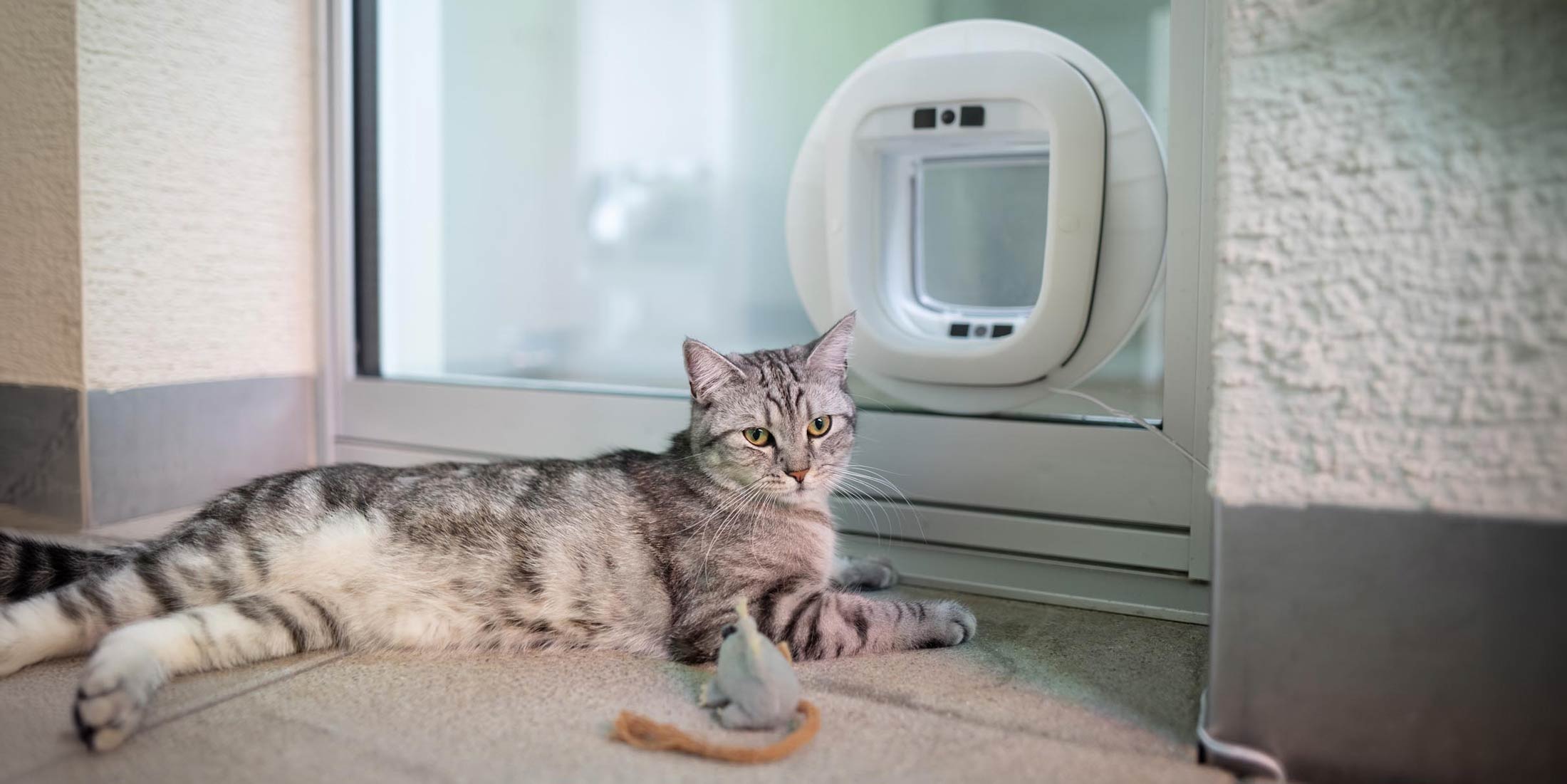
The Flappie smart cat flap is a revolutionary solution that not only keeps your home clean but also protects your cat's health. By preventing cats from bringing prey like mice or birds into the house, it minimizes the risk of pathogens entering your home. This innovative cat flap uses advanced camera and AI technology for prey detection. When the camera detects prey, the flap remains closed. This helps prevent the transmission of diseases like toxoplasmosis, which can also be dangerous for humans. The Flappie cat flap offers the following key benefits:
- Selective access control : Prevents prey animals from entering.
- Prey recognition : Detects whether your cat is coming home alone or with prey.
- Flappie App : Allows you to receive notifications and remotely control the cat flap.
By using the Flappie app , you can not only control the cat flap but also adjust settings and receive notifications if your cat tries to come home with prey. This gives you complete control and the peace of mind that no unwanted guests enter your home. Additionally, the app offers the option to view videos and photos of your cat, which can be especially reassuring when you're not home. Installing the Flappie cat flap is simple and safe, and you don't have to worry about damaging your walls or doors. Visit https://flappiedoors.com to learn more about this innovative solution and how you can make your home safer and more hygienic. Use Flappie technology to protect your cat and your home from the risks associated with eating mice.
Frequently Asked Questions
Is it healthy for cats to eat mice?
A healthy, fully vaccinated cat will not normally become ill from eating mice, but can still contract worms. There are health risks involved, including the transmission of parasites such as tapeworms and lungworms, as well as diseases like toxoplasmosis, which can also be dangerous to humans. Therefore, it is important to take precautions and deworm your cat regularly.
What to do if cats eat mice?
It's important to deworm your cat regularly and watch for signs of illness. You should also take measures to minimize your cat's contact with potentially infected rodents. This can be achieved by providing sufficient enrichment and safe, nutritious food to satisfy their natural hunting instincts.
What do cats leave behind when they eat a mouse?
When a cat eats a mouse, often not much is left, as cats are specialized in digesting their prey almost completely. Typically, however, some parts of the mouse, such as the stomach and gallbladder, may be regurgitated by the cat because they are difficult to digest or contain bitter substances that cats dislike.

Share:
Cat reunion: Cats chase each other – tips for solving the problem
Cat eats shrew: What you need to know