


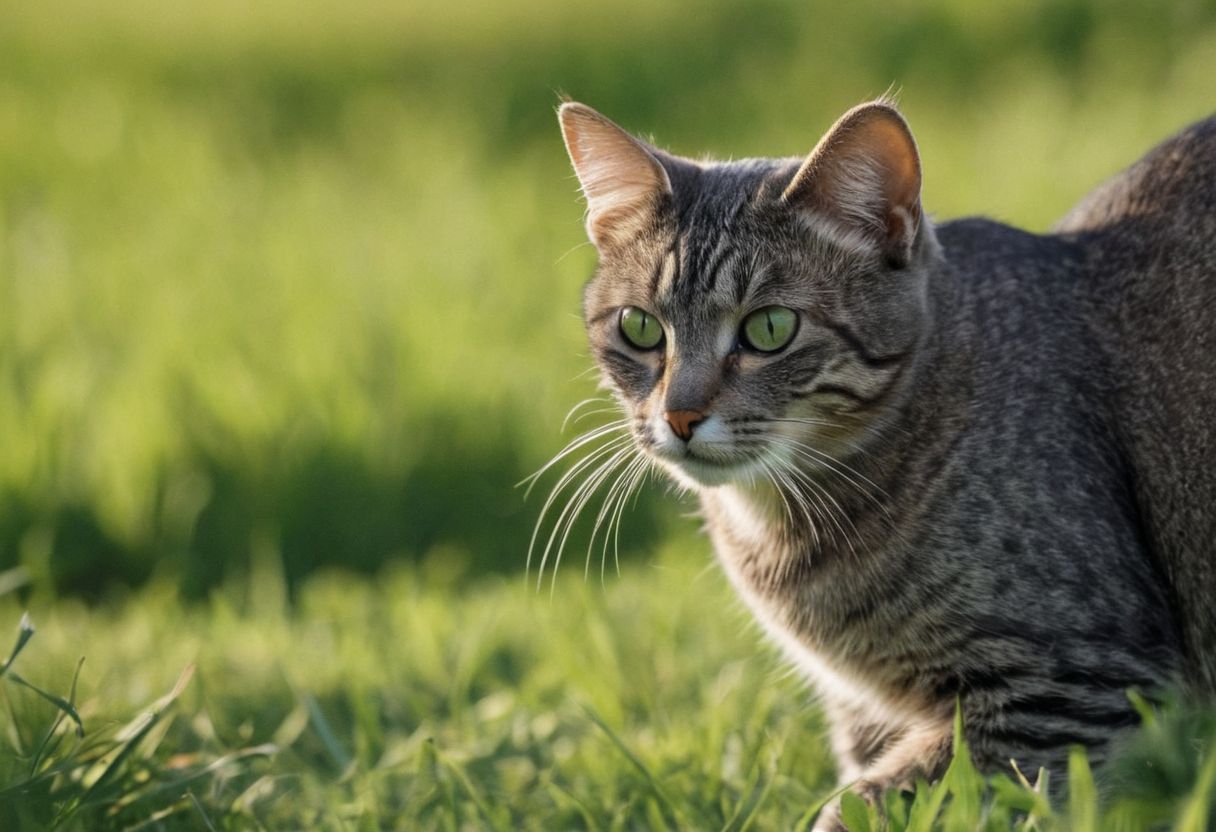
Have you ever wondered why your cat sometimes brings home shrews?
It can be unsettling when your furry friend brings home unexpected "gifts," especially if they are shrews.
Shrews are not poisonous to cats, but they can transmit diseases and often have an unpleasant odor that deters cats from eating them.
This article will tell you all about the hunting instinct of cats, the risks of eating shrews, and how to prevent your cat from bringing such prey home.
Understanding the hunting instinct in cats

Cats are natural hunters, and this instinct is deeply ingrained in their DNA. Whether they live in the wild or as pets, the urge to hunt remains. Hunting and eating mice is a completely natural part of a cat's behavior. This hunting instinct develops in the first few months of life, when the mother cat introduces her kittens to the art of hunting.
A cat's hunting instinct is not just a survival mechanism, but also provides a physical and mental challenge that contributes to the cat's health and well-being. Successfully catching a mouse is not only a meal, but also confirmation of its abilities, which boosts the cat's confidence and motivates it to continue hunting.
Feeding behavior of cats towards mice
Cats, especially outdoor cats, often show a strong interest in mice, which they hunt not only out of hunger but also for exercise and entertainment. Mice provide important nutrients like taurine, which are essential for a cat's health. However, it's interesting to note that cats often don't eat the whole mouse. The acidic stomach lining is usually left behind, as cats don't find it palatable.
Despite being obligate carnivores, cats avoid certain prey animals, such as shrews, primarily due to their unpleasant smell and taste. This demonstrates that cats' feeding behavior can be selective, and they instinctively know which parts of their prey are edible and which are not. This selective feeding behavior helps cats instinctively optimize their diet and avoid health problems.
Are shrews poisonous to cats?

If your cat brings home a shrew, you usually don't need to worry about it being poisonous. Most shrews, like the common shrew, don't have venom glands and are therefore not poisonous to cats. Only certain species, such as water shrews and marsh shrews, do have venom glands, but even these are not life-threatening to cats. While the bite of such a shrew can be painful, it doesn't usually cause any serious health problems for cats.
However, there are a few things you should keep in mind if your cat plays with or eats a shrew:
- Painful bites : Although not poisonous, the bite of a water shrew or marsh shrew can be painful for your cat.
- Potential disease carriers : As with many wild animals, there is a risk that shrews can transmit pathogens.
- Unpleasant smell : Many cats avoid shrews because of their strong smell, which is actually a natural protective mechanism.
Overall, shrews are not poisonous to cats, but it is always good to be cautious and monitor your cat's interactions with such animals.
Disease risks from shrews

Although shrews are not poisonous to cats, they can carry the Borna disease virus. This virus is primarily transmitted by common shrews and may not cause any symptoms in cats, yet it can still be dangerous. It is important to understand that the virus is excreted in the urine, feces, and saliva of the shrews, thus posing a risk of infection.
Although rare, transmission of the Borna disease virus from shrews to cats, and then potentially to humans, still poses a serious risk. Here are some points to consider:
- Avoid contact between your cat and shrews , especially in areas where the virus is known to be present.
- Observe your cat for unusual behaviors or symptoms that could indicate an infection.
- Consult a veterinarian if you suspect your cat has come into contact with infected shrews.
Health risks associated with eating shrews
If your cat eats shrews, there are some health risks you should be aware of. Shrews can carry diseases such as the Borna disease virus, which, although rarely transmitted to humans, still poses a risk. Additionally, shrews can harbor parasites that could harm your cat.
It's important to keep an eye on your cat's health, especially if she's an outdoor cat and has access to shrews. Here are some things to watch out for: - Observe your cat's behavior after she's eaten shrews, - watch for symptoms like lethargy or loss of appetite , which could indicate illness, - consult a veterinarian regularly to ensure your cat stays healthy.
Prevention: Preventing cats from eating mice

To prevent your cat from eating mice, it's important to feed her high-quality food. This not only satisfies her hunger but also satisfies her natural hunting instinct. Food rich in animal protein can help reduce your cat's interest in hunting and eating mice.
Besides nutrition, regular play and interaction with your cat is crucial. Games that stimulate their hunting instinct, such as playing with feather wands or interactive toys, can satisfy your cat's need to hunt in a safe and controlled environment. This helps minimize their tendency to search for prey outdoors.
How Flappie stops your cat from bringing home mice
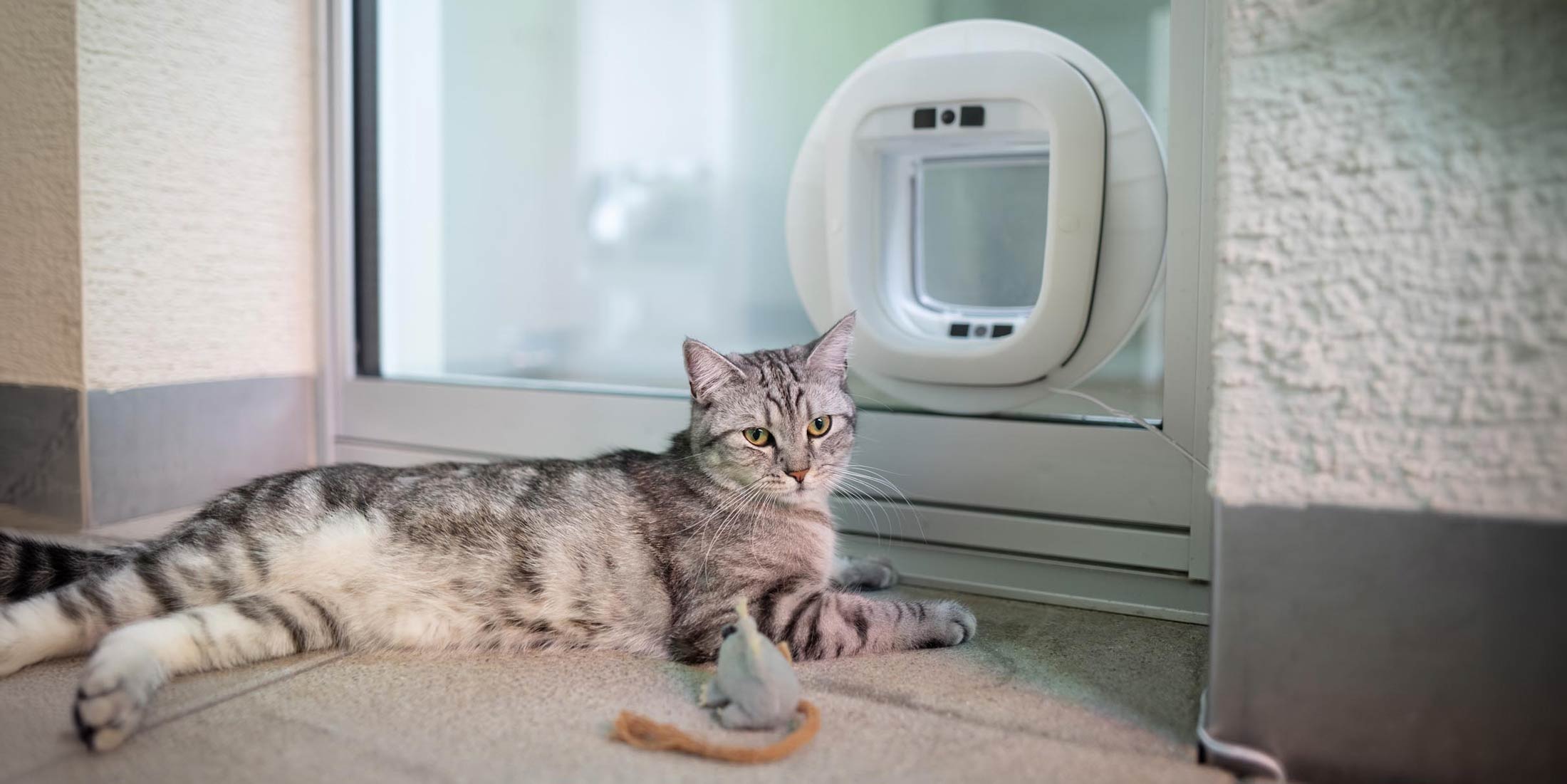
Flappie has developed an innovative cat flap that prevents your cat from bringing mice and other prey into the house. The flap is equipped with a camera and artificial intelligence that detects if your cat has something in its mouth. If your cat tries to enter with a mouse, the flap remains closed.
The advantages of the Flappie cat flap are impressive and can significantly improve your relationship with your cat:
- Selective access control prevents intrusion with loot.
- Prey detection through state-of-the-art AI technology.
- Flappie app for remote control of the cat flap with push notifications and videos.
Don't hesitate too long and consider the benefits of Flappie for your home. Visit https://flappiedoors.com and learn more about this innovative cat flap.
Frequently Asked Questions
Is a shrew poisonous to cats?
No, shrews are not usually poisonous to cats. Most shrews, like the common shrew, do not have venom glands. However, there are specific species, such as water shrews and marsh shrews, that do have venom glands, but even these are not life-threatening to cats. The bite can be painful, but it does not usually lead to serious health problems.
What happens if my cat eats a mouse?
When your cat eats a mouse, it can ingest important nutrients like taurine, which are essential for its health. However, it's important to remember that mice can carry pathogens. Therefore, it's crucial to observe your cat's behavior after eating and watch for symptoms such as lethargy or loss of appetite. If you suspect illness, you should consult a veterinarian.
Why don't cats eat shrews?
Cats often avoid shrews, mainly because of their unpleasant smell and taste. This strong odor is a natural defense mechanism for shrews, deterring cats from eating them. Cats are selective in their eating habits and instinctively know which parts of their prey are edible and which are not.
Are shrews poisonous to cats?
No, shrews are not usually poisonous to cats. Most shrews, like the common shrew, do not have venom glands. However, there are specific species, such as water shrews and marsh shrews, that do have venom glands, but even these are not life-threatening to cats. The bite can be painful, but it does not usually lead to serious health problems.

Share:
Cat eating mouse diseases: What do you need to know?
Cat brings toys to bed – reasons and solutions